Look around you. How much waste does your lifestyle produce? The amount might be more than you think.
Each day, communities generate tons of waste that harm not only the environment you live in but your health and quality of life as well. But what if you could make a difference through sustainable living starting from your home? Now talk about…
Embracing Zero-Waste Living
Imagine a lifestyle that generates no waste, improving not just your home’s cleanliness but also the planet’s health. This is the fundamental goal of zero-waste living. It sounds complex, but with thoughtful practices, it becomes achievable.
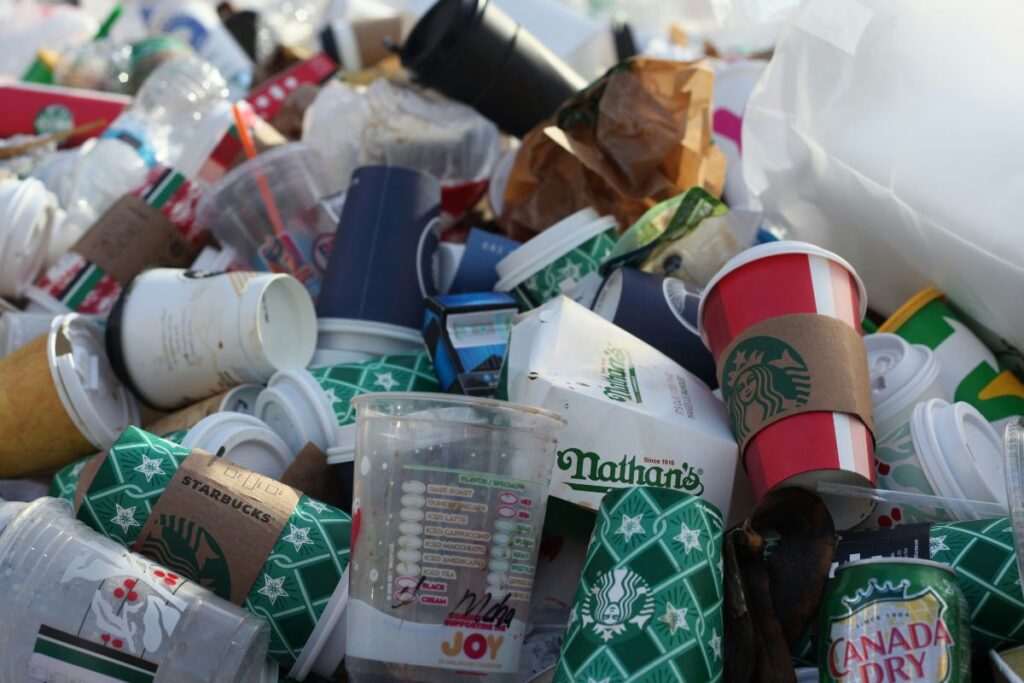
You can start by evaluating your consumption patterns. Consider which items you frequently throw away and identify how these could be reduced or even eliminated. Next is to replace single-use items – like plastic bags and bottles- with reusable versions.
Familiarise yourself with abilities to recycle or compost resources in your area through platforms like https://www.samedayrubbishremoval.com.au/. Not only does this divert waste from landfills but also reduces carbon footprints associated with trash disposal.
Bear in mind there is no “perfect” zero-waste lifestyle; what’s essential is making mindful decisions that lower waste output gradually.
Vermicomposting as Waste Reduction
Vermicomposting, or composting with worms, serves as an impressive way to reduce kitchen waste while supplementing your garden soil.
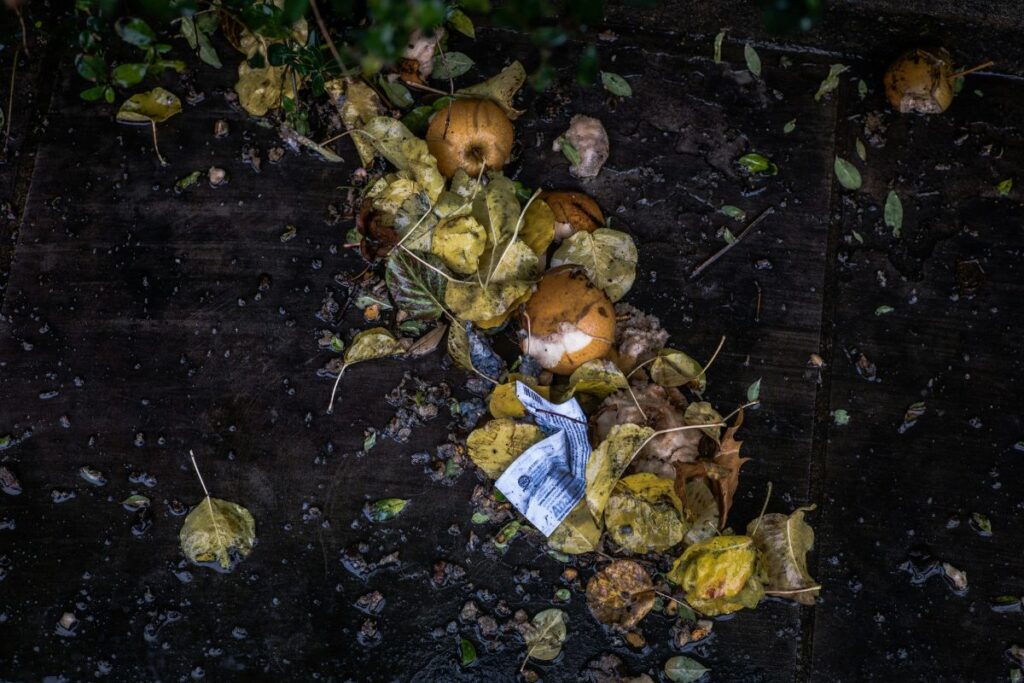
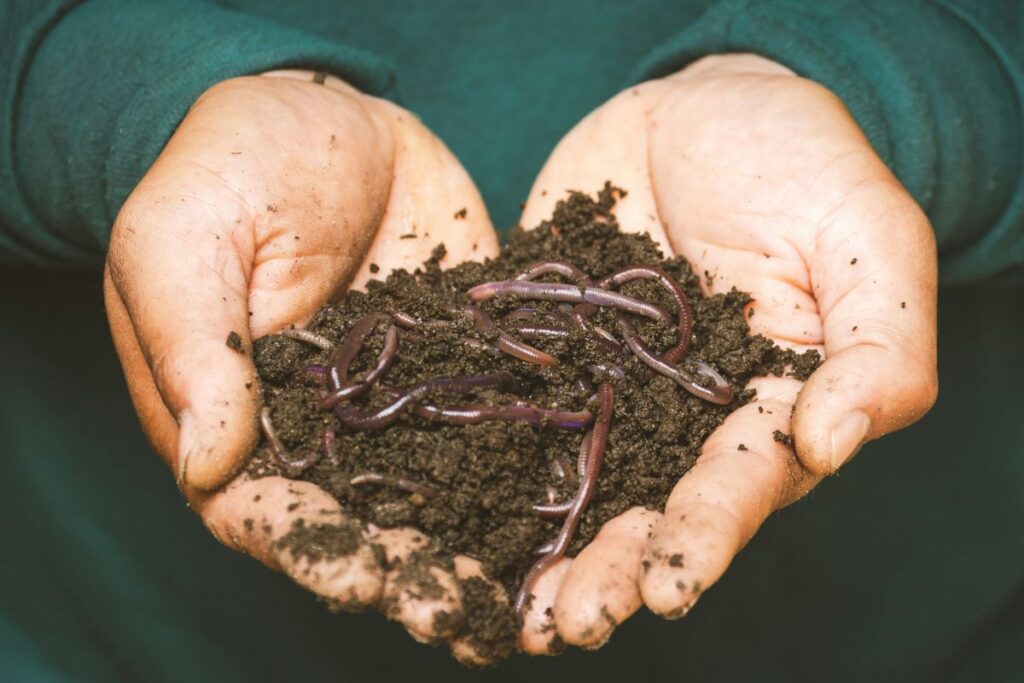
You start by adding red worms into a lidded container filled with organic materials like crushed leaves and food scraps. Worms eat through these materials turning them into nutrient-rich compost for your plants after several weeks.
Not only does this practice cut down waste levels but also discourages the use of chemical fertilisers. The Environmental Protection Agency (EPA) advises that composting can divert as much as 30% of household waste away from the garbage stream.
Plus, experiencing little creatures wriggle through your waste makes for an exciting eco-friendly project for both kids and adults.
Repurposing Household Items
Did you realise everyday household items present numerous potentials to be reused rather than discarded? Repurposing breathes new life into many things, thereby reducing the need to buy new.

For example, you can use empty glass jars for bulk storage, preserving homemade jams, or even as creative lighting fixtures. Old newspapers and magazines might serve as wrapping paper or could be used in paper mache crafts.
Old shirts can be cut into rags instead of disposable cleaning cloths. Even shattered bits of crayons can be melted down and reformed into new ones. A little creativity goes a long way in cutting down needless waste.
Last but not least, before throwing anything out, ask yourself if it is possible to sell it or donate it to someone who might find it useful. Thanks to online marketplaces, it’s never been easier to distribute unwanted items.
Incorporating Minimalist Approach
A minimalist approach involves living with what you genuinely need- stripping away the excess freeing up mental and physical space for what matters most. This lifestyle serves as a powerful tool in the fight against mindless consumerism and inevitable waste associated with it.

Purge not just physical stuff but also digital clutter- old documents, emails, photos taking up your device’s storage capacity. If you haven’t used or thought about something in years, chances are you don’t need it. And bear in mind that being minimal doesn’t mean living in a white, sterile environment. It just signifies reducing what you have and intensively using what you keep.
As a minimalist, aim to maximise item usage before discarding it. Buy items that are good-quality and long-lasting. Single-use items, whether physical or digital, are to be avoided unless absolutely necessary.
And an often overlooked benefit of minimalism is time saving. Less clutter to manage equals less stress and more time for meaningful activities or relationships.
Compostable Packaging Innovations
Packaging contributes majorly to household waste. However, technological advancements have heralded a new era of compostable packaging innovations paving the way for a significant reduction in trash generation, vital for sustainable living.

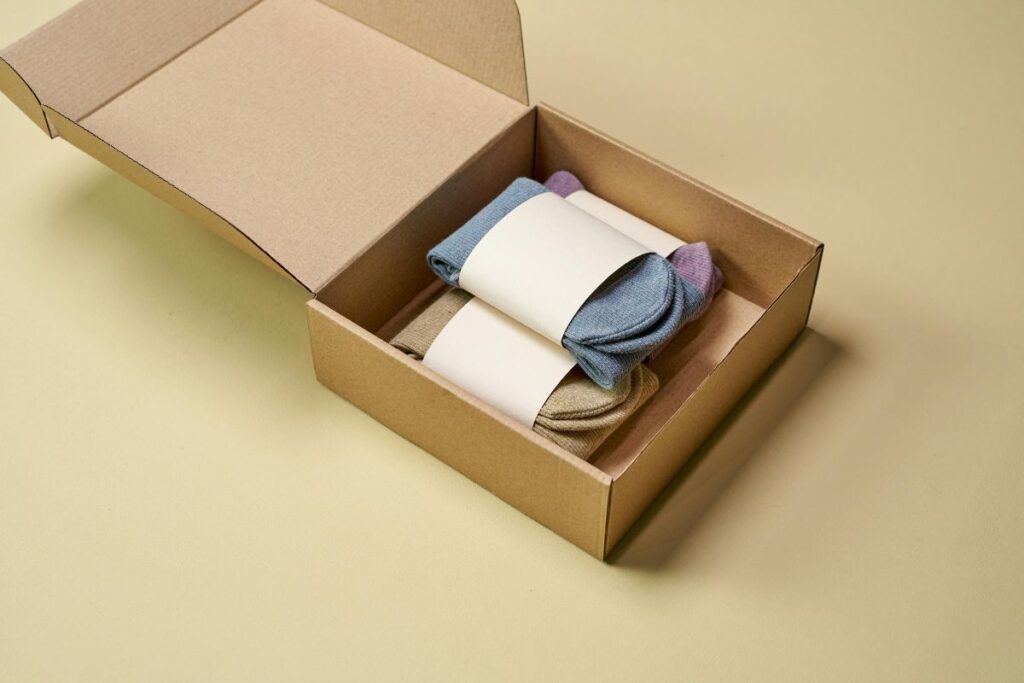
Unlike their plastic counterparts, these smart packages are made of natural materials such as cornstarch, bagasse or mushroom roots which break down under the right composting conditions.
Consider companies like Ecovative Design who create packaging material from mycelium – the root structure of mushrooms. Within a few weeks these mushroom-based packages disintegrate, leaving no trace behind.
A push towards adopting such compostable packaging solutions aligns well with zero-waste goals. When shopping, opt for products encased in these eco-friendly packages to reduce waste ending up in landfills.
Implementing Renewable Energy Sources
Adopting renewable energy sources isn’t typically associated with waste reduction. However, it plays a key role. Energy production processes often lead to high waste generation. By choosing renewable energy, like solar or wind power, individuals can contribute to reducing this waste.
Installing solar panels on your homes is a great way to start! You can generate your own electricity, thereby reducing demand for energy produced through traditional waste-intensive methods. Plus, electricity companies often buy back surplus solar power generated by homes which can offset installation costs!

Consider wind power too if conditions permit. Residential wind turbines are becoming increasingly accessible and efficient. Both solar and wind energy significantly bring down carbon emissions whilst conserving resources consumed in conventional energy production.
Encourage your community to embrace renewable energy. Community-based solar or wind projects can help reduce collective reliance on fossil fuels while simultaneously slashing waste output.
Water Conservation Strategies
Water conservation is an often-overlooked aspect of waste management and sustainable living. Although water isn’t traditionally viewed as ‘waste,’ overuse and misuse of this precious resource leads to unnecessary wastage and strain on treatment facilities.
Rainwater harvesting is a simple yet effective method to conserve water. Collect rainwater using barrels or specialised systems; use it to water plants, wash vehicles or fill ponds rather than depending on treated tap water for these tasks.

Dual flush toilets, low-flow showerheads enhance bathroom water savings while soaker hoses or drip systems are more efficient for gardens. Another smart tip is to repurpose “greywater”- used water from sinks, showers and washing machines, for tasks such as toilet flushing after suitable treatment.
By implementing these strategies, any household can significantly reduce its water footprint, while also alleviating the volume of wastewater needing treatment.
Eco-friendly Waste Management
Waste management with the help of dumpster rental Spanish Fort is at the heart of sustainable living. Forward-thinking waste management companies such as Same Day Rubbish Removal are incorporating more eco-friendly practices in their operations.
One example is the use of Bio-digesters. They convert organic waste into biogas which can be used for cooking, heating or electricity production. This not only reduces landfill burden but also produces renewable energy.
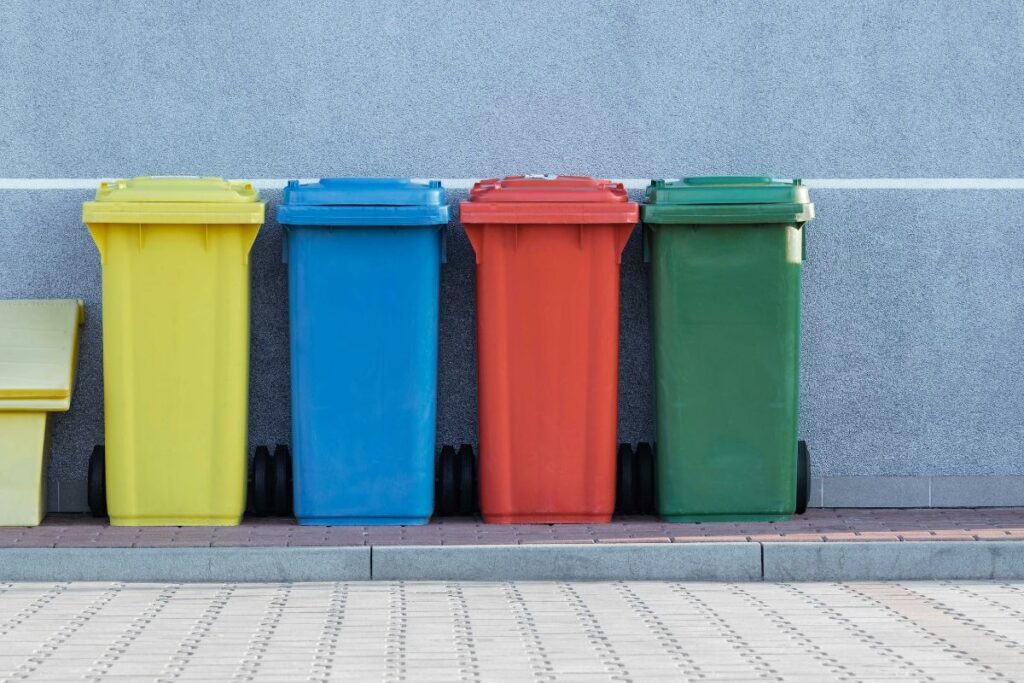
Also, innovative waste sorting stations are gradually emerging where recyclables, compostables and non-recyclable rubbish are separated and managed differently.This cuts down on contamination in recycling processes and ensures maximal recovery and reuse of materials.
If your local services don’t yet provide extensive recycling networks consider lobbying your local council or better yet, start a community recycling initiative yourself!
Embracing eco-friendly waste management not only takes care of present needs but ensures that future generations will have a safer and cleaner planet to live in.
In Conclusion
Incorporating these innovative waste reduction techniques can foster sustainable living in your homes and communities. Each step makes positive strides towards creating a cleaner and healthier environment. Remember that every little effort counts. Changes don’t happen overnight but sustainability requires continuous conscious efforts for meaningful impact.
Images courtesy of unsplash.com and pexels.com