If you’ve ever stood in front of a piano and thought, “How am I supposed to move this thing?” you’re not alone. Pianos are majestic instruments, but when it comes to moving them, they feel less like a source of inspiration and more like a colossal puzzle. Whether it’s an upright or a grand, moving a piano is no ordinary task—it’s an orchestration of muscle, strategy, and a little bit of finesse. But it doesn’t have to be daunting if approached with care and help from san antonio piano movers.
Here’s the playbook for how to move with a piano, keeping both the instrument and your sanity intact.
Understanding the Challenge: It’s Not Just Furniture
Pianos may seem indestructible at first glance. They’re solid, hefty, and often the centrepiece of a room. But the truth is, pianos are delicate giants. Beneath their glossy exteriors are intricate mechanics—strings, hammers, and dampers—all perfectly calibrated to create music. One wrong move, and you could damage not only the piano but also your floors, walls, or even your toes.
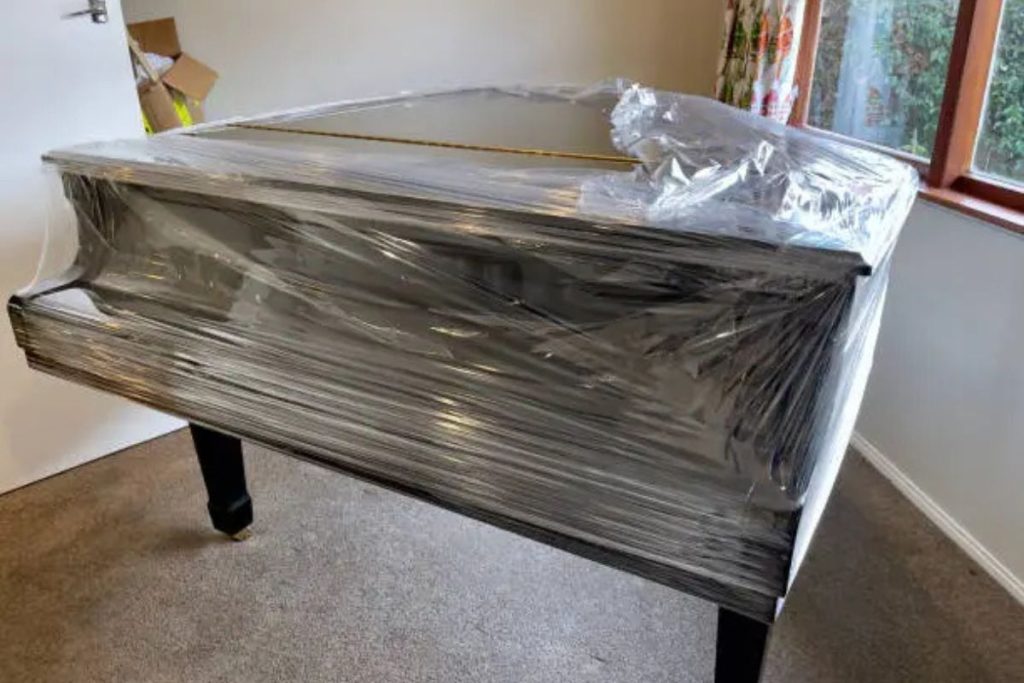
That’s why treating a piano like “just another heavy item” is a rookie mistake. It’s a treasure, not a couch. Moving one requires a balance of muscle and meticulousness.
Start with a Game Plan
Moving a piano is all about preparation. Before even touching it, figure out where it’s going and how it’s getting there. Sounds simple, right? But that means measuring doorways, stairwells, and hallways in advance. The piano’s path should be clear, smooth, and wide enough to avoid tight squeezes or awkward angles.
And then there’s the team. Moving a piano is not a one-person job. Gather at least three strong and capable helpers who can follow instructions and work together. If a friend recently skipped arm day at the gym, maybe keep them on standby for emotional support instead.
Tools of the Trade
A few essential tools can make or break the experience—sometimes literally. Forearm straps and heavy-duty moving blankets are lifesavers when it comes to protecting both the piano and the people handling it. A sturdy piano dolly is a must for uprights, while grand pianos often require skid boards designed for their unique shape.
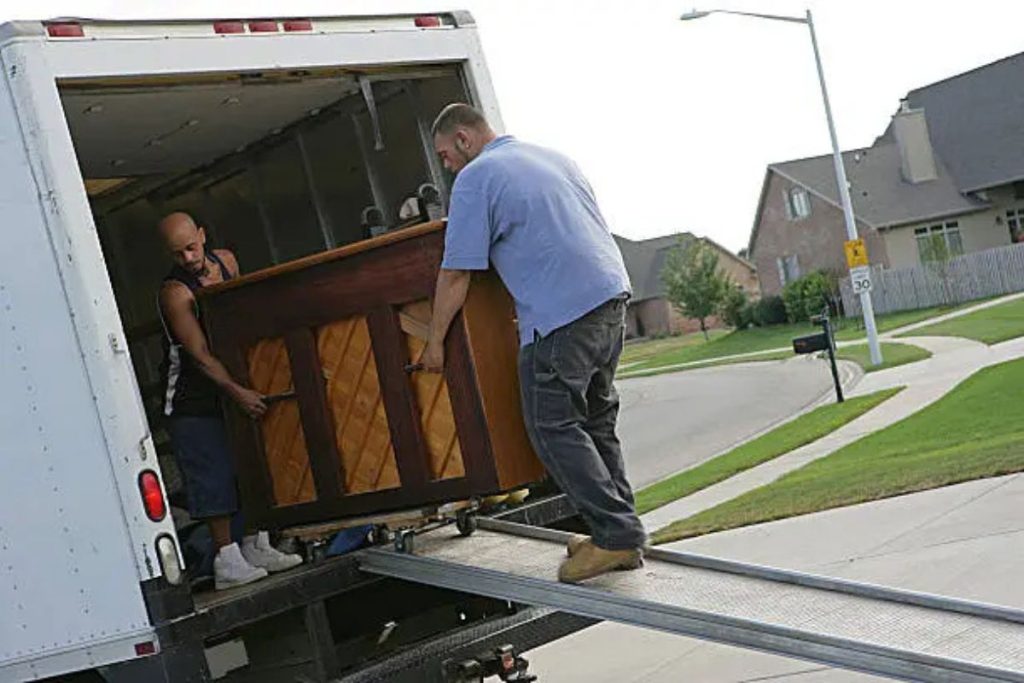
And don’t forget gloves with a good grip. Sweat and slippery surfaces are not what you want when handling a priceless instrument weighing hundreds of pounds.
Upright Pianos: Less Drama, Still Heavy
Moving an upright piano is relatively straightforward. Start by securing the lid with straps to keep it from swinging open mid-move. Protect the piano with blankets, wrapping every exposed surface. This step isn’t just for aesthetics—it cushions against bumps and scratches, which are inevitable during a move.
When it’s time to lift, remember: lift with the legs, not the back. Pianos are unwieldy because their weight isn’t evenly distributed, so keep it upright and stable at all times. Never, ever tilt one on its side, no matter how tempting it seems to “make it fit.”
Grand Pianos: The Divas of Moving
Grand pianos are a whole other level. With their dramatic shape and even heftier build, they demand extra care and patience. The first step is to remove the legs—yes, the legs! Carefully unscrew them while the piano is resting on a skid board. Once they’re off, the piano can be gently tipped onto its side, safely cradled by the board.
This is where teamwork really shines. While one person stabilizes the piano, others can handle the legs and other components. Wrap every piece in moving blankets like you’re swaddling a baby—protection is key.
Navigating staircases or tight corners with a grand piano? That’s an Olympic-level challenge. In these cases, a professional moving company might be your best bet.
The Journey: Getting From Point A to Point B
Once the piano is prepped, moving it to its new location is all about slow, steady progress. Even the smallest bumps or jerks can wreak havoc on the delicate internal mechanics. When loading it onto a truck, use a ramp and secure it with straps to prevent shifting during transit. It’s not a piece of cargo—it’s a performer taking centre stage.

Upon arrival, repeat the process in reverse. Take your time setting the piano back up, ensuring it’s level and in tune. Yes, tuning is almost always necessary after a move. Pianos are sensitive to changes in temperature, humidity, and motion. A quick call to a professional tuner can bring the instrument back to life.
Should You Call the Pros?
Here’s a thought to consider: while DIY moves can save money, moving a piano isn’t for everyone. Professional piano movers exist for a reason—they have the experience, tools, and techniques to handle these instruments without breaking a sweat (or breaking anything else).
For valuable or antique pianos, hiring experts is often worth the peace of mind. Think of it as an investment in preserving the soul of the instrument.
A Note on Emotional Weight
Moving a piano isn’t just a physical endeavour—it’s an emotional one too. Pianos often hold sentimental value, carrying years of memories, music, and milestones. That’s why every precaution is worth it. Treating the process with care and respect ensures the piano arrives at its destination ready to create new memories.
Final Thoughts
Whether it’s moving a baby grand into a new home or relocating an upright across town, the key is preparation and teamwork. With the right tools, a clear plan, and a little patience, even this Herculean task of moving a piano becomes manageable. And at the end of the day, the reward is worth it—because few things compare to the sound of a piano, perfectly tuned and ready to play, in its new home.
Now, who’s ready to hit the keys?
Images courtesy of unsplash.com and pexels.com