Regardless of business expertise, driving traffic is the primary goal of any website because it leads to an increase in sales. Think of your website as a digital shop, where visitors can browse products and learn more about your offerings.
Ultimately, your web content should turn browsers into buyers. However, optimizing a website for traffic growth isn’t easy and tactics are constantly changing, which is why we’ve put together the following guide on how to drive traffic to your website.
On-Page SEO
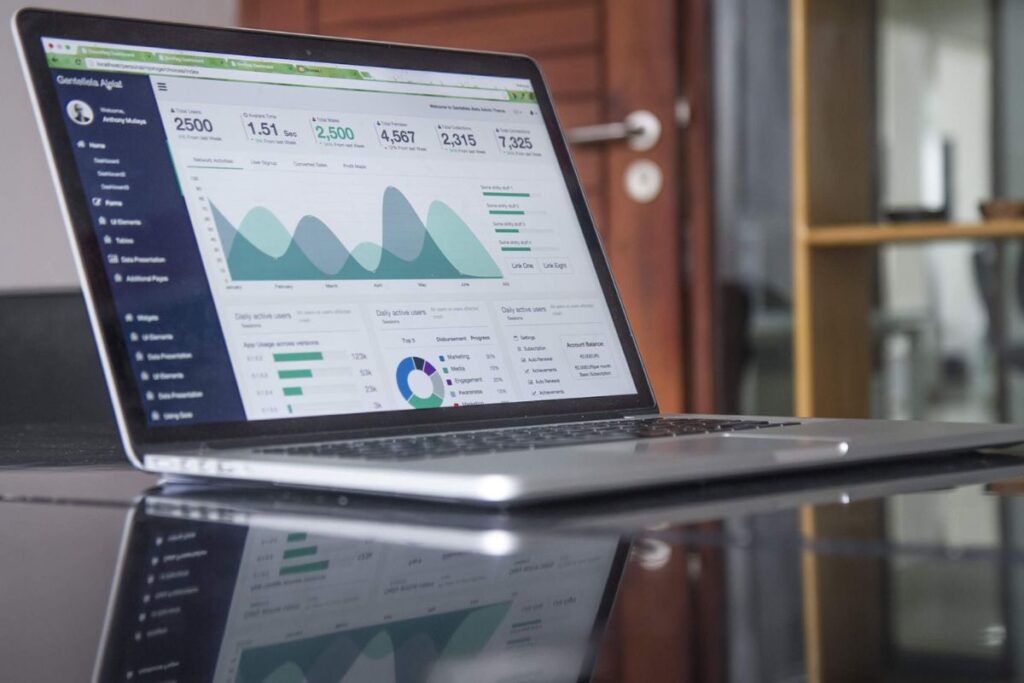
Every page of your website can be optimised for search engines. The best place to start is by ensuring all content is to a high standard and fulfils user intent, which is the purpose of their search. As well as fantastic content, you need to write well-crafted meta descriptions, which appear under a URL on Google. When people know what a page is about, they’re much more likely to follow the link.
Google Ads

You can use Google Ads to pay for a spot at the top of the search results. However, securing your space at the top isn’t straightforward, as Google will award top spots for quality pages and relevance. To be successful, you may need to make website changes, which will be time-consuming. Therefore, we recommend using a google ads agency, which will assess your business needs and adjust your page for a successful Google ad campaign.
If you choose to outsource your Google ad campaign, it’s important to look for a partner with a proven track record, such as Google ads agency Repeat Digital. Try and work with an agency that has worked with businesses in your niche.
Google Business Profile
People are less likely to find your business if there’s no Google business listing. However, it’s not enough to sign up and leave your profile blank. Having an optimized listing helps to attract 70% more visitors. Google’s algorithms are becoming smarter, meaning a listing with full information is more likely to be shown first.
Link Building

When reputable websites link to yours, it increases the authority and helps to establish a higher rank on Google. As well as boosting your SERP position, a relevant backlink helps put your brand in front of a wider audience. It is also worth looking for forums for backlinks to boost your site in search engine rankings.
There are many ways to secure backlinks, but the best one is signing up for the HARO (Help a Reporter Out) newsletter, which allows SMEs to answer journalist queries in competition for an article mention.
Email Marketing
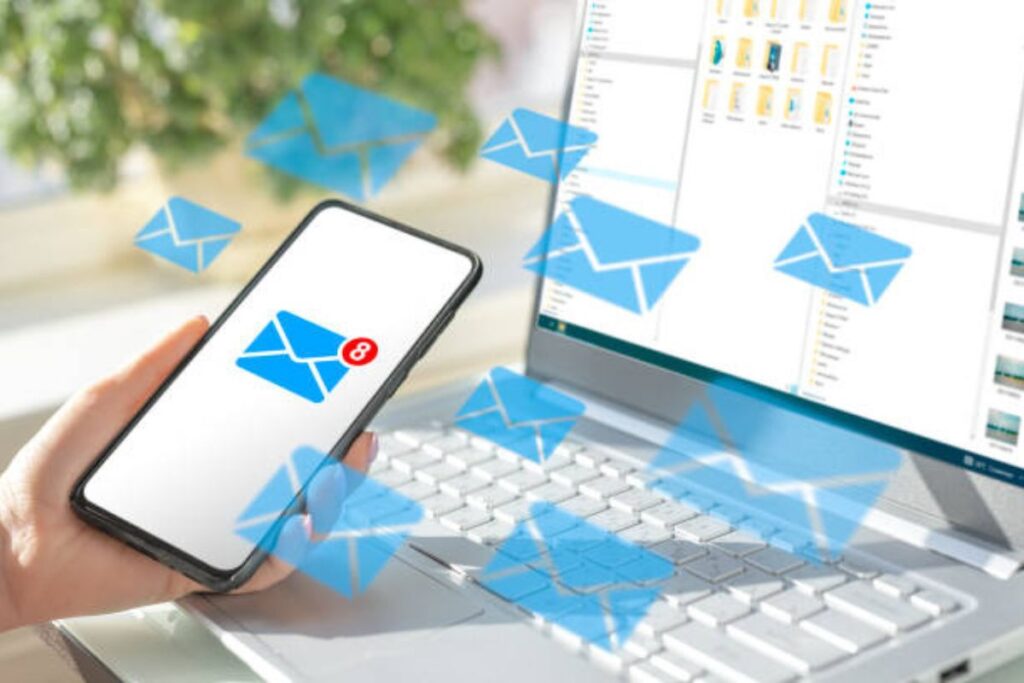
Create an exclusive newsletter full of information not available on your site and email it to your loyal followers. If you pair useful information with links to your products and services, you will soon see traffic increase. Although email marketing is a great tactic, there’s a fine line between appropriate mail and spam.
Conclusion
The above suggestions will all help to drive more traffic to your website. This, in turn, will increase your site’s rank and boost user engagement. And the more engagement you have, the better your visitor conversion rate will be.
Images courtesy of unsplash.com and pexels.com