When it comes to designing care homes, architecture plays a pivotal role in shaping the residents’ overall well-being and happiness. The physical environment of a care home does more than just house its residents; it can significantly impact their mood, behaviour, and quality of life.
Let’s explore how thoughtful architectural design can contribute to resident happiness in a care home.
Creating a Welcoming and Homelike Atmosphere
One of the primary goals of care home architecture is to create an environment that feels like home. Traditional institutional designs often felt sterile and impersonal, which could contribute to feelings of isolation or anxiety among residents. Modern care homes, like Morris Care, however, emphasize creating a welcoming atmosphere that mimics the comforts of a personal residence.
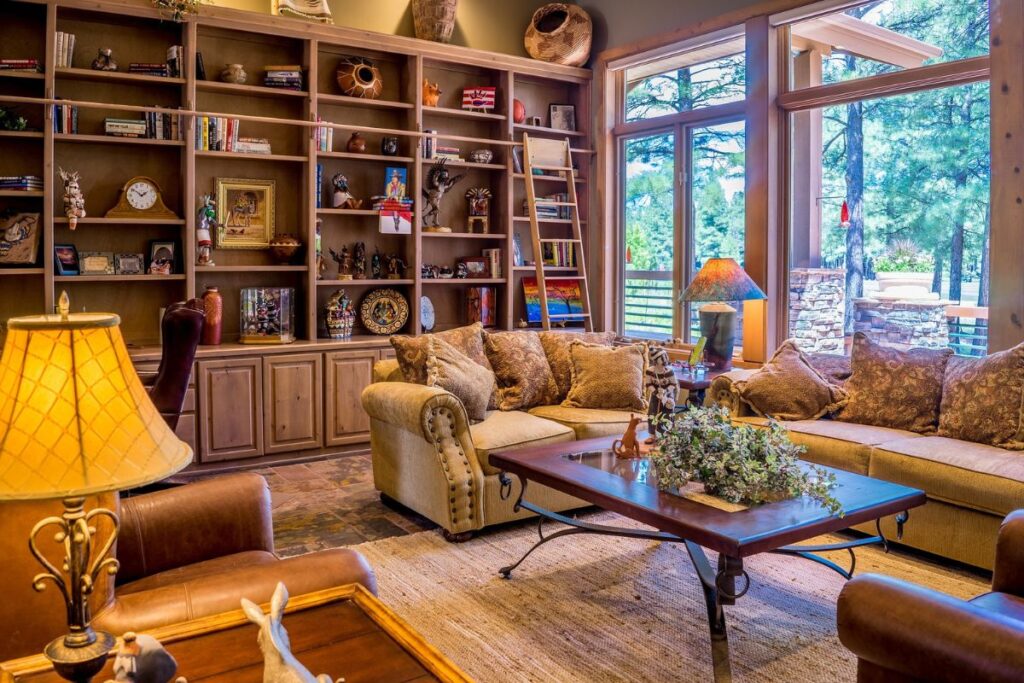
Design elements such as warm colour schemes, cosy furniture, and personalized décor can make a space feel more inviting. Natural light, which has been shown to have positive effects on mood, is a crucial component. Large windows, skylights, and open layouts that maximize daylight can enhance residents’ sense of well-being and reduce feelings of confinement.
Incorporating Nature and Outdoor Spaces
Access to nature is another critical factor in care home architecture. Numerous studies have demonstrated that exposure to natural environments can have profound benefits on mental health and happiness. Incorporating gardens, courtyards, and green spaces into care home designs allows residents to enjoy the outdoors, which can be particularly beneficial for those with limited mobility.

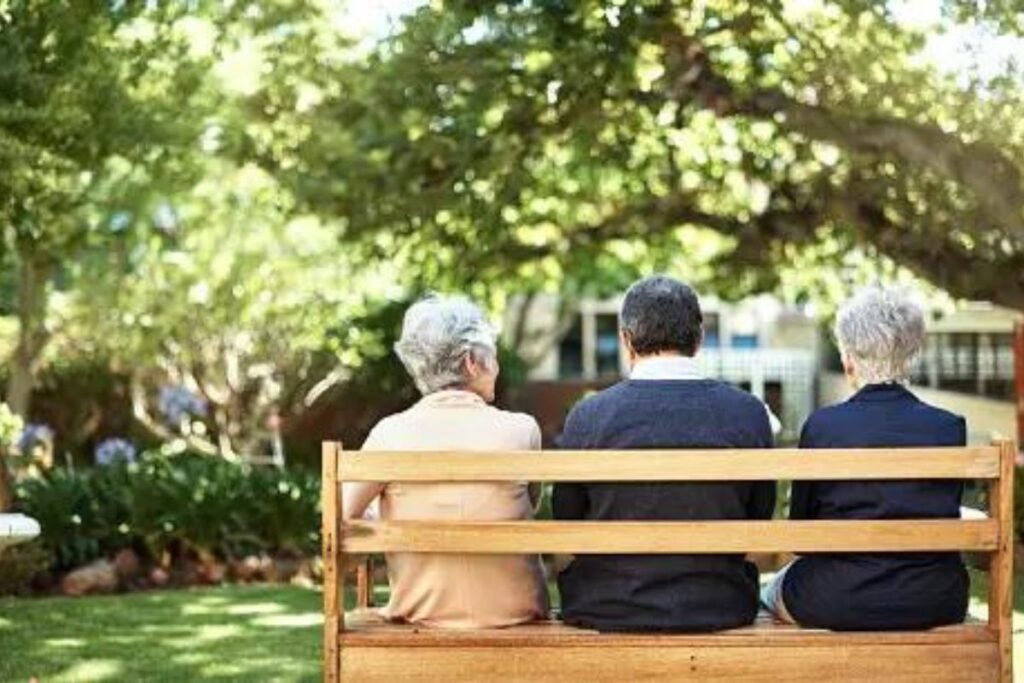
Outdoor spaces also provide opportunities for social interaction and physical activity, both of which are essential for mental and physical health. Whether it’s a tranquil garden for quiet reflection or a vibrant courtyard for group activities, the integration of nature into care home architecture can significantly enhance residents’ quality of life.
Designing for Accessibility and Safety
Accessibility and safety are paramount in care home design. A well-thought-out layout that accommodates the needs of residents with varying levels of mobility can prevent accidents and promote independence. Features such as wide hallways, ramps, and non-slip flooring help ensure that residents can navigate their environment comfortably and safely.
Additionally, clear signage, well-lit areas, and accessible bathrooms contribute to a sense of security and ease. When residents feel safe and are able to move around their homes without barriers, their overall happiness and sense of autonomy are greatly improved.
Fostering Social Interaction and Community
Social interaction is a key component of happiness, and the design of care homes can significantly influence the opportunities for residents to engage with one another. Open, communal spaces such as lounges, dining areas, and activity rooms encourage residents to interact and participate in social activities.


Design features that facilitate socialization include comfortable seating arrangements, multi-purpose areas, and spaces that host regular events or gatherings. A well-designed care home promotes a sense of community and helps combat feelings of loneliness and isolation.
Personalization and Privacy
While communal areas are important, so too is the need for privacy. Providing residents with private spaces where they can retreat and relax is essential for their well-being. Personalized rooms or private apartments allow residents to maintain a sense of individuality and control over their living environment.
Incorporating elements that allow residents to personalize their space, such as customizable décor and storage for personal belongings, can help residents feel more at home and supported in expressing their personal identity.
Conclusion
The architecture of care homes plays a fundamental role in influencing resident happiness. By focusing on creating a homelike atmosphere, integrating nature, ensuring accessibility and safety, fostering social interaction, and providing opportunities for personalization, care home designers can significantly enhance the quality of life for their residents. Thoughtful architectural design not only meets the functional needs of residents but also supports their emotional and psychological well-being, making it a crucial aspect of effective care home planning.
Images courtesy of unsplash.com and pexels.com