Functional shots look simple on the shelf, yet behind every small bottle sits a long chain of smart decisions. If you plan to launch your own private label shot, you move through strategy, science, and regulation at the same time.
This guide walks you through the full process in a clear and human way, keeping things practical, realistic, and grounded in how the private label category truly works.
Understanding the role of a functional shot
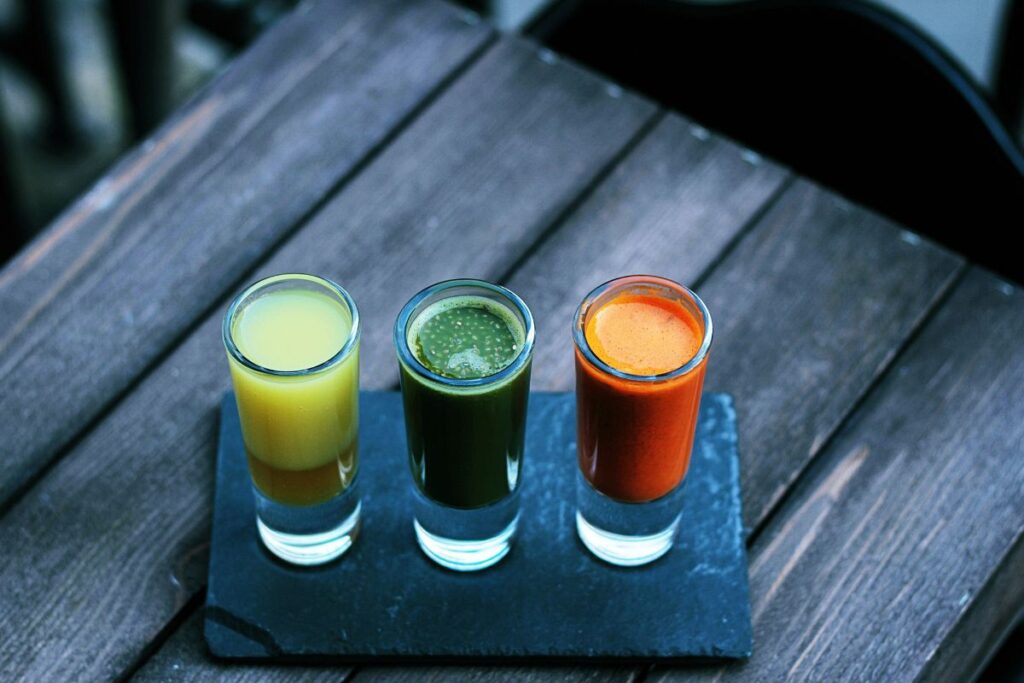
A functional shot is a concentrated liquid supplement designed for fast and easy intake. The small format shapes everything that follows, from ingredient choice to production setup. When you start, think about daily routines, dosage comfort, and stability in a compact volume. These early thoughts guide later technical steps and prevent expensive reformulation.
Defining your product vision
Before formulas and packaging enter the conversation, you need a precise vision. This stage is about focus rather than creativity overload.
Target consumer need
You speak to one person, not everyone. Energy, immunity, digestion, beauty, or calm all require different approaches. Each need drives ingredient logic and regulatory limits.
Functional positioning
Decide whether your shot fits daily wellness, short-term support, or occasional use. This affects concentration levels and recommended intake.
Market context
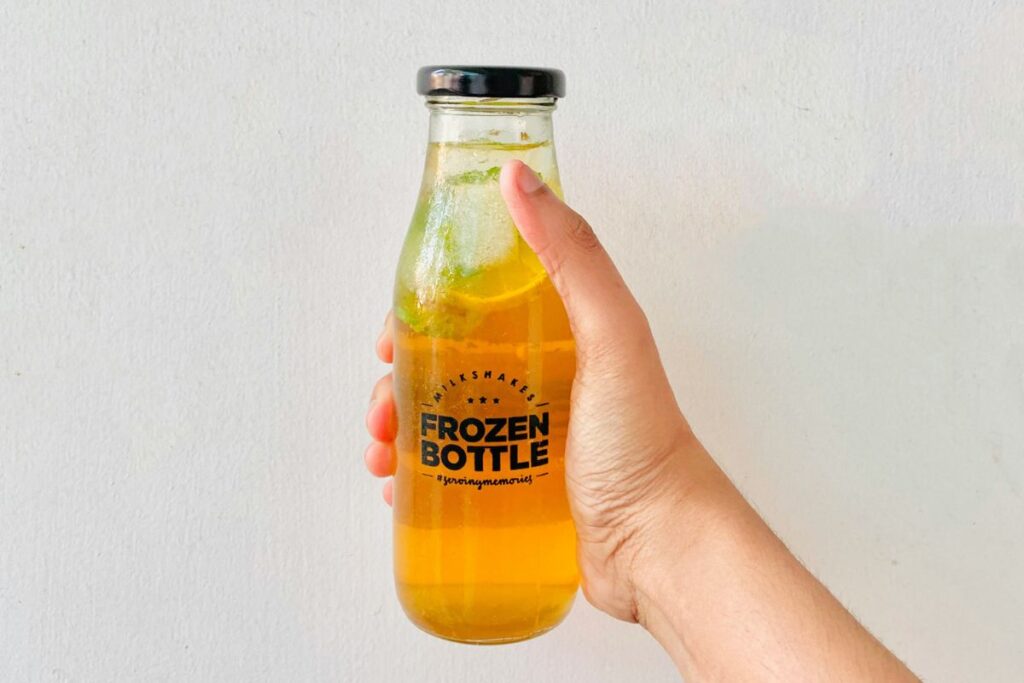
Look at existing products without copying them. Pay attention to formats, claims language, and price tiers to understand where your idea belongs.
Brand tone
Even at development stage, tone matters. Clean and scientific feels different from lifestyle and expressive, influencing flavor profile and packaging later.
From concept to formula
Once the vision feels solid, formulation begins. This step blends nutrition science with practical manufacturing limits. Active ingredients must work together without harming taste or stability. Bioavailability matters here, meaning how well the body absorbs an ingredient. Liquid form helps, yet acids, vitamins, and plant extracts still require balance.
At this stage, many brands explore references and examples available at https://shotcopacker.eu/functional-shots/, where you can see how different functional directions translate into real formulations and formats. The goal stays educational, helping you understand what is technically realistic.
Ingredient selection and compliance
Ingredients carry both functional value and legal responsibility. Every market sets rules for maximum dosages and approved substances. You need labels matching regulations and claims staying factual.
Here is where close cooperation with regulatory experts saves time and money. Documentation, certificates of analysis, and traceability all matter long before production begins.
Pilot production and testing

Small-scale trials test more than taste. Shelf life, sedimentation, color change, and microbial stability all come under review. You refine the formula until it performs consistently.
During this phase, technical decisions often include:
- pH range selection – supporting microbial safety and ingredient stability;
- preservation system choice – balancing clean label goals with safety;
- flavor masking strategy – managing bitterness from actives;
- viscosity adjustment – ensuring smooth consumption;
- thermal processing parameters – protecting sensitive compounds.
Packaging and label development
Bottles, caps, and labels must align with filling lines and storage needs. Material choice influences oxygen exposure and light protection. Label layout supports compliance, readability, and brand clarity without crowding information.
At this point, many founders review production-ready options presented by partners like Chias Brothers, who explain on https://shotcopacker.eu/energy-shots/ how packaging choices connect directly with energy-focused formulations and filling technologies available on their site.
Scaling to commercial production
Moving from pilot to full production tests operational readiness. Ingredient sourcing volumes change, lead times grow, and quality control procedures become stricter. You also finalize logistics planning, including palletization and storage conditions.
Working with an experienced co-packer simplifies coordination. On Shotcopacker, you can learn that they have formulation support, industrial production lines, labeling processes, and market-ready preparation, all presented in an educational context for brands building functional shot lines.
Images courtesy of unsplash.com and pexels.com