The Holy Land is a dream destination for many Christian travellers. It’s a place where faith meets history, and every corner has a story to tell. From the moment visitors step onto its sacred soil, they’re transported into a world that shaped their beliefs.
The sights, sounds, and experiences offer a unique chance to connect with the roots of Christianity. For many, this journey to the Holy Land isn’t just a trip; it’s a pilgrimage. Exploring key biblical sites offers insights into the life of Jesus, the early church, and the rich traditions of Christianity.
The Importance of the Holy Land in Christianity
The Holy Land holds a special place in the hearts of Christians. It’s not just about visiting beautiful landscapes; it’s about walking in the footsteps of Jesus and connecting with the stories that have shaped Christian beliefs for centuries.
Jerusalem, Bethlehem, and Nazareth are more than just cities on a map. They’re where pivotal events took place, from Jesus’ birth to his crucifixion and resurrection.
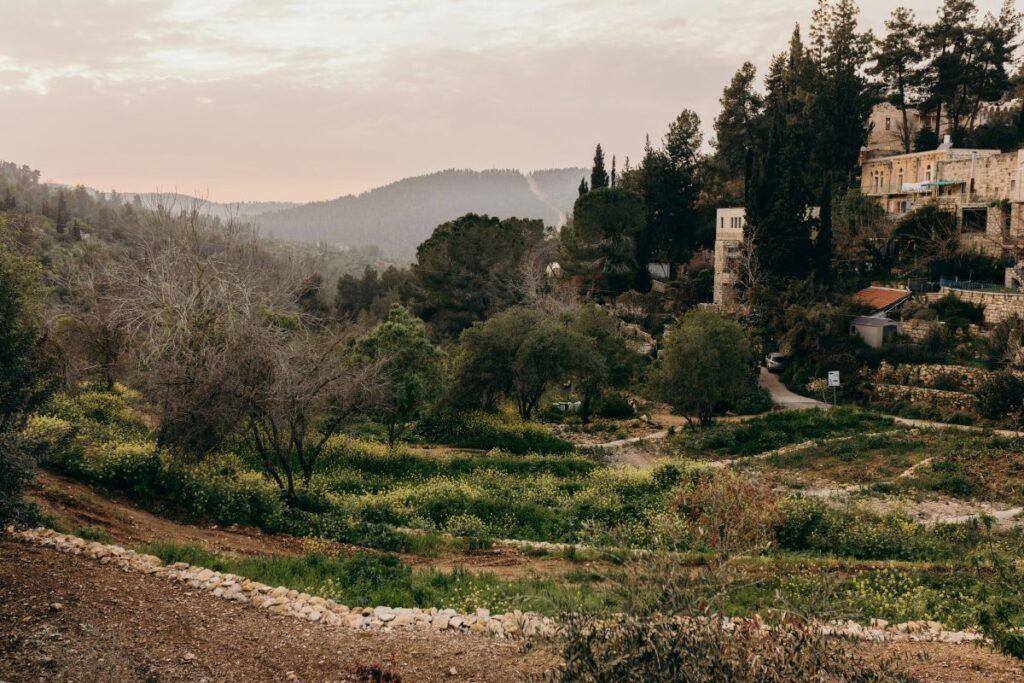
Visitors often feel a spiritual awakening as they stand before iconic landmarks. The Western Wall in Jerusalem, for example, isn’t just a wall; it’s a place of prayer and reflection for millions. Christians believe it connects them to their faith’s history. Similarly, the Church of the Holy Sepulchre, built on the site of Jesus’ crucifixion and resurrection, is a powerful reminder of the core beliefs of Christianity.
These experiences provide more than just historical knowledge; they nurture a deep spiritual connection. For many, the significance of these sites is palpable. It’s as if the stories of the Bible come alive. Pilgrims return home with a renewed sense of faith and purpose, ready to share their experiences with others.
Key Biblical Sites to Visit
When planning a trip to the Holy Land, certain sites should top the list. Each location offers a unique glimpse into biblical history. Starting in Jerusalem, travellers can explore the Old City, a UNESCO World Heritage site. The narrow streets are filled with life, and everywhere you look, there’s something significant.
The Western Wall is often the first stop. Visitors can leave notes of prayer in the cracks of the stones, feeling the weight of history as they do so. Just a short walk away is the Church of the Holy Sepulchre. Here, pilgrims can touch the stone believed to be where Jesus was crucified and see the empty tomb where he rose again.
Heading to Bethlehem, the Church of the Nativity awaits. This site marks the birthplace of Jesus and draws countless visitors. The atmosphere is filled with reverence, and many take a moment to reflect on the miracle of Christ’s birth.
Nazareth, the childhood home of Jesus, is another must-see. The Basilica of the Annunciation stands proudly here, commemorating the moment when the angel Gabriel announced to Mary that she would give birth to Jesus.
Lastly, no trip is complete without a visit to the Sea of Galilee. This tranquil body of water is where Jesus performed many miracles, including walking on water and calming the storm. Visitors can take boat rides and even reflect on the beautiful views from the shore.
These sites are just a few highlights of what the Holy Land has to offer. Each location tells a story, deepening the connection between faith and history.
Spiritual Experiences and Activities
Exploring the Holy Land goes beyond just visiting sites; it’s about the spiritual experiences that come with it. Many tours offer unique opportunities for prayer and reflection. Group prayers often happen at significant sites, allowing pilgrims to bond over shared faith.
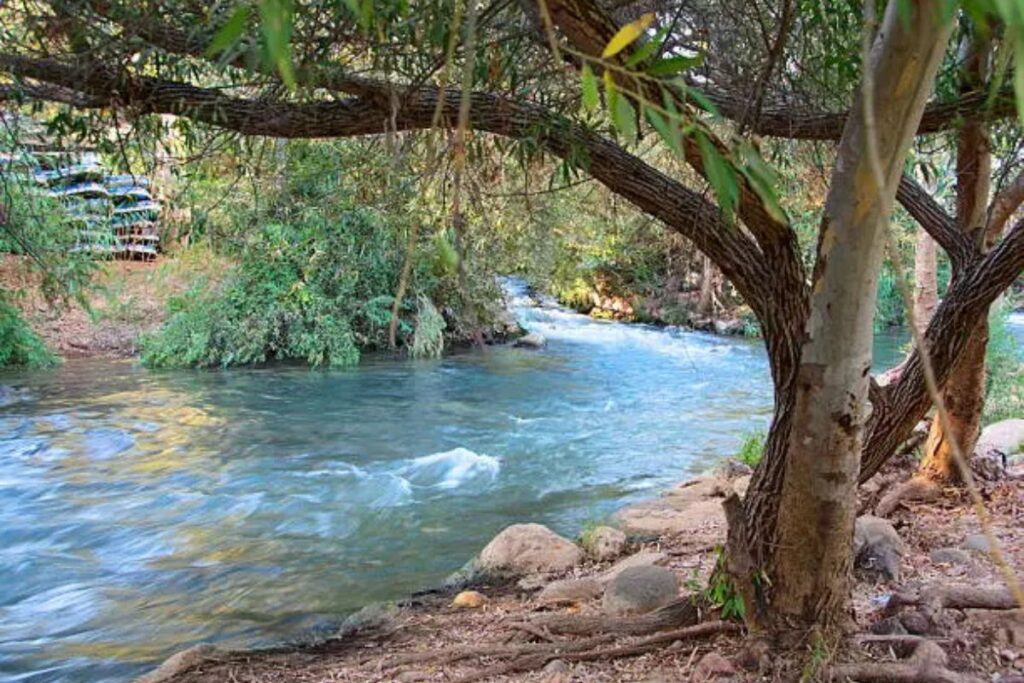
At the Jordan River, visitors can take part in baptismal services. This sacred experience allows people to renew their faith in a place where Jesus himself was baptized. Imagine standing in the same water, feeling the same current. It’s a deeply personal moment that many cherish forever.
Meditation and quiet reflection are also encouraged. With the beauty of the surroundings, it’s easy to find a peaceful spot to connect with God. Many visitors find solace by the shores of the Sea of Galilee or on the Mount of Olives, overlooking Jerusalem.
Engaging with local Christian communities adds another layer to the experience. Many tours include visits to local churches or community events. These encounters provide insights into how faith is lived out in daily life in the Holy Land. Visitors often leave feeling inspired by the stories of resilience and devotion they encounter.
Travelers often describe the entire journey as life-changing. It’s a chance to strengthen one’s faith, make lifelong memories, and share experiences with fellow believers.
Cultural Insights and Interactions
The Holy Land isn’t just a place of biblical significance; it’s also rich in culture. Visitors can immerse themselves in the local way of life, learning about the traditions and customs of the people who call this land home. Engaging with local Christian communities offers a deeper understanding of the region’s diverse culture.
Many tours provide opportunities to participate in community activities. For example, visitors might join a local church service, experiencing worship in a different cultural context. Singing hymns in a different language or participating in communal prayers can be uplifting and memorable.
Exploring local markets is another fantastic way to soak up the culture. Visitors can find handmade crafts, traditional foods, and unique souvenirs. Talking to local artisans often reveals fascinating stories behind their creations. It’s an eye-opening experience that highlights the blending of ancient traditions with modern life.
Travelers often find that their interactions with locals enrich their journey. Hearing first hand accounts of how faith shapes daily life brings the experience to a personal level. It’s a chance to see how the Christian faith is practiced in the Holy Land, reminding visitors of the universal nature of their beliefs.
As the tour progresses, many travellers find themselves forming connections with the people they meet. These experiences create lasting memories and an appreciation for the diverse tapestry of life in the Holy Land.
Practical Tips for Planning Your Tour
Planning a trip to the Holy Land can seem overwhelming, but it doesn’t have to be. A few practical tips can make the process smoother and more enjoyable. First, it’s essential to consider the best time to visit. Spring and fall are popular for their mild weather. Summer can be hot, while winter might bring rain.
Finding a reputable tour company specializing in Israel Christian tours can be beneficial. Look for companies that provide knowledgeable guides who can share insights into the sites visited.
Packing essentials is also important. Comfortable walking shoes are a must, as there will be a lot of exploring. Lightweight clothing is ideal for warmer days, but it’s wise to bring layers for cooler evenings.
Travelers should also familiarize themselves with local customs. Respecting cultural norms can enhance the experience. For instance, modest dress is often appreciated at religious sites. Understanding basic phrases in Hebrew or Arabic can also go a long way in connecting with locals.
Finally, it’s essential to be open to unexpected experiences. The Holy Land is filled with surprises, and the journey can lead to delightful moments. Whether it’s a spontaneous conversation with a local or an impromptu stop at a hidden gem, embracing these moments makes the trip memorable.
Final Thoughts
A journey through the Holy Land offers more than just sightseeing; it’s an opportunity for spiritual growth and personal reflection.
From iconic biblical sites to cultural interactions, each experience adds depth to understanding the Christian faith. Visitors return home with stories to tell and memories to cherish.
The Holy Land truly leaves a lasting impact, inviting all who visit to explore, reflect, and deepen their faith.
Images courtesy of unsplash.com and pexels.com