Explore the key differences between cloud chasing (DTL) and mouth-to-lung (MTL) vaping styles. Learn how coil resistance, airflow, nicotine strength, and device power influence your vaping experience, helping you choose the right setup.
In the world of modern vaping, users have more customisation options than ever before. Two dominant styles have emerged that cater to different needs and experiences: cloud chasing, known formally as direct-to-lung (DTL) vaping, and the more cigarette-like mouth-to-lung (MTL) vaping. Whether you’re a new user searching for your first device or a seasoned enthusiast considering a switch, understanding these two methods can help you choose a setup that aligns with your preferences and goals.
What Is Cloud Chasing?
Cloud chasing refers to the practice of producing large, dense vapour clouds. This method involves inhaling directly into the lungs, bypassing the mouth as an intermediate chamber. It’s a style favoured by hobbyists and those who enjoy visual vapour appeal.
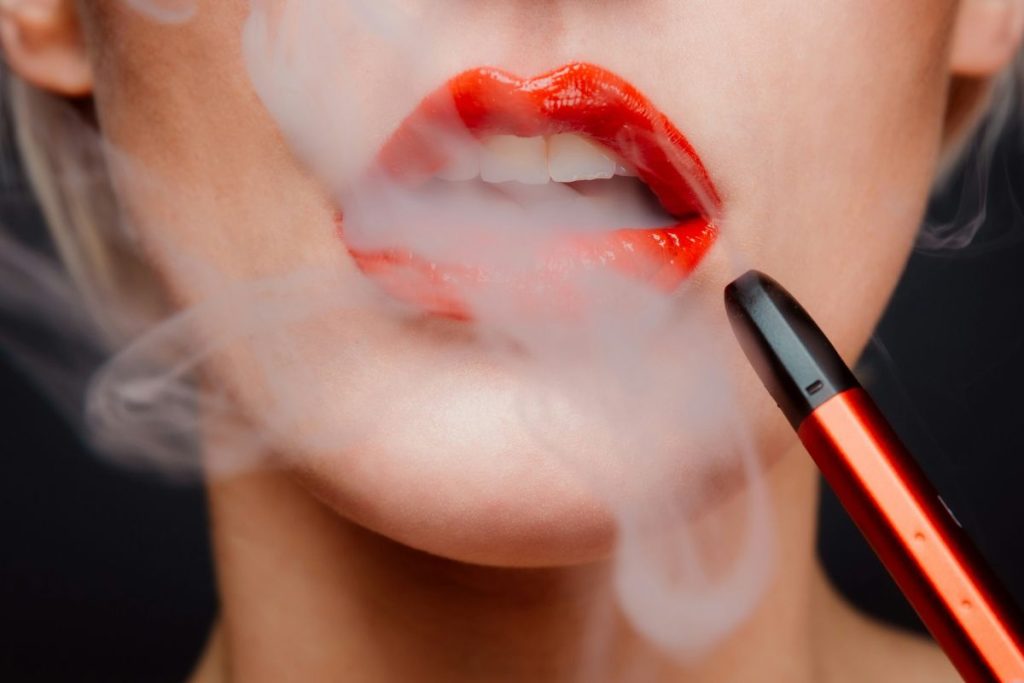
To achieve these thick clouds, vapers typically use sub-ohm vape kits — devices equipped with coils that have a resistance of less than 1.0 ohm. These kits, like those available in the sub-ohm vape kits collection, are designed to operate at higher wattages and support more airflow.
Coil Resistance and Power Output
Sub-ohm vaping relies heavily on low-resistance coils. These coils heat up faster and allow more e-liquid to be vapourised per puff. To handle the additional power, these devices often have advanced battery systems and adjustable wattage controls.
High VG (vegetable glycerine) e-liquids are the preferred choice for DTL vaping. VG is thicker and produces more vapour, though it slightly mutes flavour. Freebase nicotine — known for delivering a stronger throat hit — is commonly used in these setups at lower nicotine concentrations (typically 3mg to 6mg), as the increased vapour production already delivers a satisfying hit.
Airflow and Vapour Production
Cloud chasers benefit from wide-open airflow settings. More airflow not only cools the coil, preventing it from overheating, but also facilitates deeper lung inhales. Devices that support this style often come with adjustable airflow rings, allowing users to tweak draw resistance to their liking.
This vaping method is typically less discreet due to the size of the vapour clouds, making it more suitable for private settings or open outdoor areas.
What Is Mouth-to-Lung Vaping?
MTL vaping mimics the draw of a traditional cigarette. The vapour is first held in the mouth before being inhaled into the lungs. This method is ideal for individuals transitioning from smoking, as it delivers a more familiar sensation and a stronger hit with less vapour.
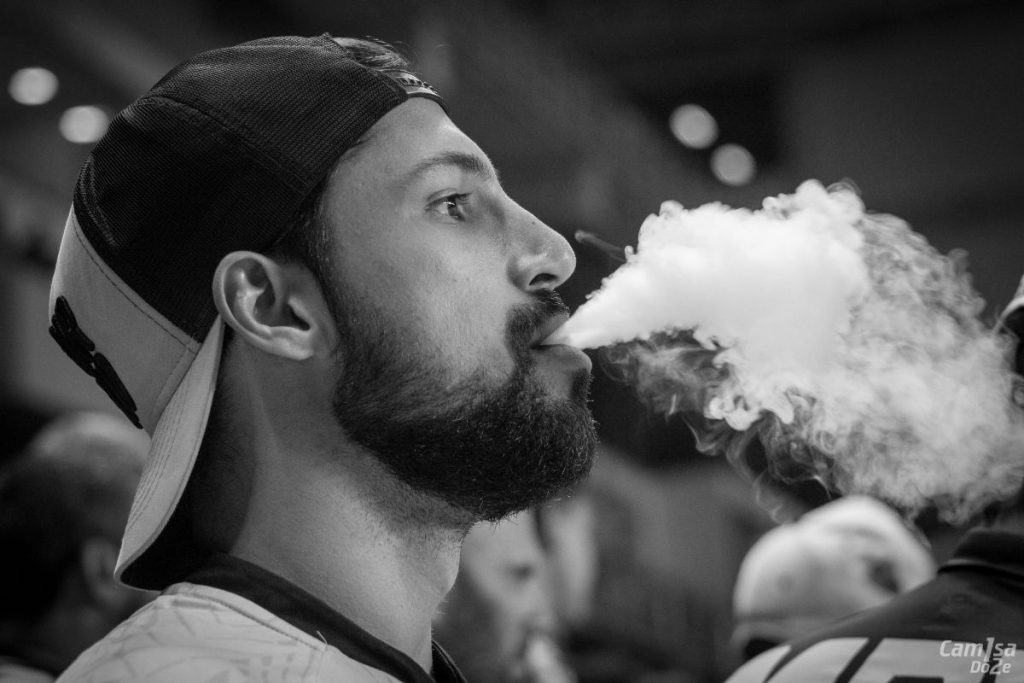
MTL users tend to opt for standard vape kits, like those found in the main vape kits selection. These devices often have higher resistance coils — usually between 1.0 and 1.8 ohms — and operate at lower wattages (between 10W and 20W), making them more battery-efficient and beginner-friendly.
Nicotine Strength and E-Liquid Options
Because the vapour volume is smaller, MTL vaping typically involves higher nicotine strengths, often ranging from 12mg to 20mg. Nicotine salts are especially popular in MTL devices. Unlike freebase nicotine, nic salts offer smoother throat hits even at higher strengths and are absorbed into the bloodstream faster, providing more immediate satisfaction.
Nic salts also allow for discreet, low-temperature vaping, which conserves e-liquid and reduces the chance of throat irritation.
Device Form Factor and Usability
DTL kits tend to be bulkier due to larger tanks and higher-capacity batteries. They often feature advanced chipsets, temperature control, and screen displays. These are built for users who want to fine-tune every aspect of their session.
MTL kits, on the other hand, are often slim, pod-style devices or pen-shaped models. They prioritise portability and ease of use, often including draw-activation technology (no button required) and simplified refilling systems.
Some hybrid devices now offer both MTL and DTL functionality, making them a flexible option for users who want to experiment without fully committing to one style.
Health and Efficiency Considerations
While both styles are significantly safer than smoking combustible cigarettes, each has distinct characteristics. MTL vaping is often considered more efficient for nicotine delivery, making it a good option for those trying to quit smoking. It also consumes less e-liquid, reducing cost over time.
DTL vaping, while less efficient in nicotine absorption due to lower concentrations, is often favoured for flavour clarity and customisation. However, it consumes more e-liquid and battery power, which can make it more expensive in the long run.
Which Style Is Right for You?
The choice between MTL and DTL depends on several factors:
- Are you trying to quit smoking? MTL is closer to the cigarette experience and may be more effective.
- Do you prefer big clouds and hobbyist-level customisation? DTL will suit you better.
- Do you vape in public or need something discreet? MTL devices are smaller and produce minimal vapour.
- Is battery life and e-liquid usage a concern? MTL devices use less power and liquid per puff.
Many vapers actually switch between the two depending on the context. For example, an MTL pod might be used during commutes or office hours, while a sub-ohm mod could be reserved for evenings or weekends.
MTL vs DTL Vaping: Which Style Suits You Best?
Modern vaping isn’t one-size-fits-all, and that’s part of its appeal. Whether you’re drawn to the thunderous clouds of DTL or the satisfying stealth of MTL, the most important thing is to find what works best for you. Fortunately, today’s market offers an abundance of options tailored to every preference and lifestyle.
If you’re exploring options or considering an upgrade, the comprehensive selection of vape kits and sub-ohm kits at Freesmo is a great place to start. From beginner-friendly pods to advanced cloud machines, there’s a device suited to every vaping journey.
Images courtesy of unsplash.com and pexels.com