The appearance of a casino is often seen as a chance for a city to break out of an economic dead end. Officials promise new jobs, increased revenues, and an influx of tourists. However, behind the glittering lights lie serious social risks. Why do authorities take such a step, what are the real consequences for society, and is it possible to minimize the harm?
These questions concern not only economists and sociologists, but also ordinary residents of cities where a casino and gambling becomes part of everyday life.
Cities bet on casinos for an economic breakthrough
Authorities view gambling tourism as a tool for rapid economic growth. Casinos attract tourists who spend significantly more than regular travelers. Gamblers choose expensive hotels, visit elite restaurants, and buy tickets to prestigious shows.
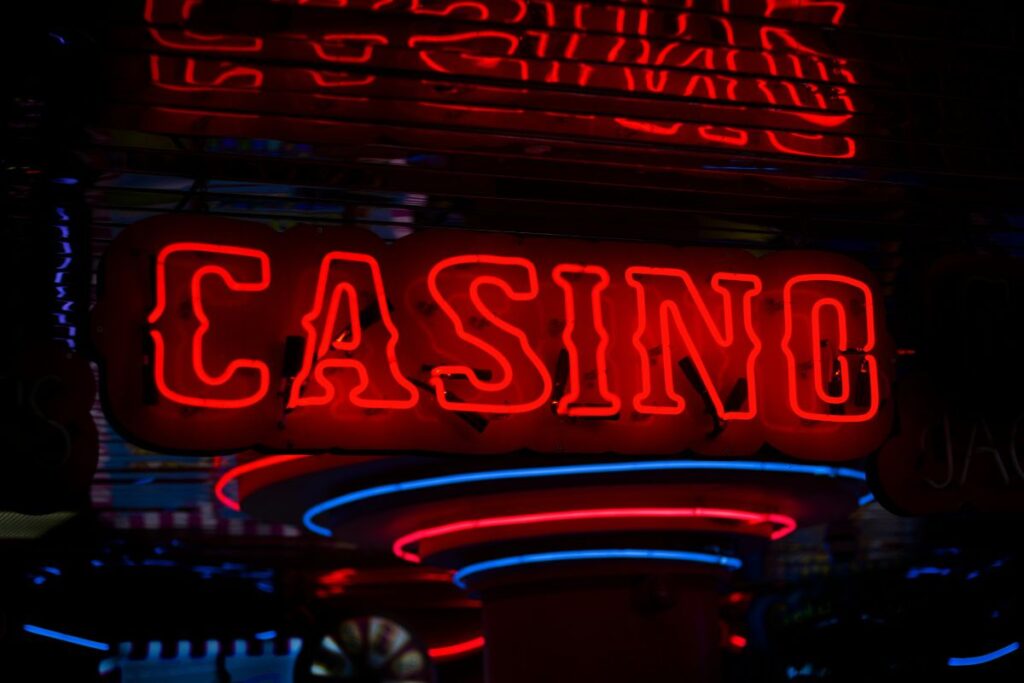
Economists call this the multiplier effect. Money spent in casinos quickly spreads throughout the city’s economy. For example, the opening of a new gambling complex creates jobs not only for dealers, but also for builders, security guards, chefs, and accountants.
Investors and officials see this model as a chance to renew urban infrastructure and improve the standard of living. For depressed regions, the legalization of gambling seems like a golden ticket.
The industry turns casinos into integrated resorts and changes the face of tourism
Modern casinos rarely exist on their own. Increasingly, they become part of large integrated resorts. Such a resort includes luxury hotels, conference centers, concert halls, and fine dining restaurants.
A comprehensive approach makes it possible to attract not only gamblers, but also business tourists, families with children, and entertainment lovers. Bright examples are Las Vegas, where casinos are adjacent to theme parks and world-class shows, and Macau, which has become the Asian capital of gambling tourism.
Singapore uses a similar model, betting on a combination of business, leisure, and entertainment. This allows the city to compete in the global market and receive income not only from gambling, but also from related services.
Society pays for the win with growing problems and social instability

Economic benefits do not always outweigh social costs. In cities with casinos, there is an increase in crime. Large amounts of cash attract organized crime and also contribute to the development of illegal services.
The term “vice cluster” refers to a concentration of vices. Around casinos, prostitution, underground lenders, and dealers of illegal substances often appear.
Among the main negative consequences, the following can be highlighted:
• Increase in theft and fraud.
• Growth of family conflicts and divorces due to financial problems.
• Decline in the quality of life of local residents, especially in areas adjacent to gambling zones.
The culture and behaviour of city residents change under the influence of casinos and tourists
The behavior of tourists often becomes an example for young people. The demonstration effect is what sociologists call this phenomenon. Young people begin to perceive gambling as an easy way to get rich, rather than as a risky pastime.
In cities with developed gambling tourism, attitudes toward work change. Traditional values give way to a culture of entertainment and quick money. This is reflected in educational priorities and the career aspirations of young people.
Real-life examples show that in such cities, the number of young people involved in gambling is growing. This leads to an increase in cases of gambling addiction and a decrease in motivation to study and work.
It is important to remember that the influence of the gambling industry on a city today is not limited to signs and buildings in designated areas. Gambling services are increasingly moving to smartphones: for part of the audience, this becomes as familiar an entertainment as games or streaming, and therefore the demonstration effect works even more strongly.
At the same time, it is easy to find resources online that describe how access to such entertainment is arranged on different devices. Crash games, which are gaining popularity among players, are proof of this: on one of the most well-known pages about Lucky Jet, which we found here, there is a complete guide to installation on iOS. Such materials help to understand the mechanics of distribution and why the conversation about risks is not limited only to the geography of casinos and tourist flows.
And that is why, when discussing whether a casino saves a city or undermines it from within, it is worth keeping in focus not only tax revenues. It is necessary to know how people’s behavior changes in an environment where gambling becomes part of digital behavior, and therefore requires more nuanced regulation and social prevention.
Authorities and society face ethical dilemmas and difficult choices
Officials face a difficult question: are economic benefits justified if they are achieved at the cost of social instability? Supporters of casino legalization argue that new jobs and tax revenues help develop infrastructure, finance schools, and hospitals.
Opponents point to the growth of poverty and addiction among low-income groups. Statistics show that people with low incomes spend a higher percentage of their funds on gambling than wealthier citizens.
In some countries, gambling tourism has brought success and stability. For example, Monaco and Singapore have managed to create safe and attractive resorts. In other cases, such as in certain regions of the United States, the appearance of casinos was accompanied by a surge in crime and social degradation.
Cities use measures to reduce the harm from gambling tourism

Many cities implement strict regulatory measures to protect the local population from negative consequences. Casinos are often built in special zones, remote from residential neighborhoods. This approach limits residents’ access and reduces the impact on daily life.
In a number of countries, for example in Singapore, high entrance fees for local residents have been introduced. This makes visiting gambling establishments an expensive pleasure and restrains the development of gambling addiction.
Among effective support measures, the following can be highlighted:
• Funding for centers that help those addicted to gambling.
• Conducting educational campaigns about risks and the probability of winning.
• Strengthening control over crime related to gambling.
The future of gambling tourism can become both an opportunity and a threat for cities
The consequences of the appearance of casinos do not manifest immediately. In 10–20 years, a city may face new challenges: a decrease in the number of tourists, increased social tension, or a change in its cultural identity.
Alternative development strategies, such as cultural, ecological, or event tourism, offer a different path to prosperity. However, there is no one-size-fits-all solution suitable for every city.
The choice between economic growth and social stability remains difficult and requires a balanced approach.
What is more important for a city — economic growth or the preservation of social harmony
Gambling tourism can bring huge revenues, but also carries serious risks. Each city must seek its own balance between benefit and responsibility. It is important to remember that behind every win may lie the fate of thousands of people. Which path would you choose if the decision were yours?
Images courtesy of unsplash.com and pexels.com. Feature image supplied.