Many retailers struggle to pick wholesale jewelry that sells to modern buyers. Recent surveys show buyers favor sustainable and versatile pieces.
This guide will show how to source, price, and curate a jewelry collection that fits their needs.
Read on to build a profitable line.
Understanding Modern Buyer Preferences
Modern buyers want jewelry that is easy to wear every day. They also care about where the materials come from and how they are made.
Versatility and everyday wearability
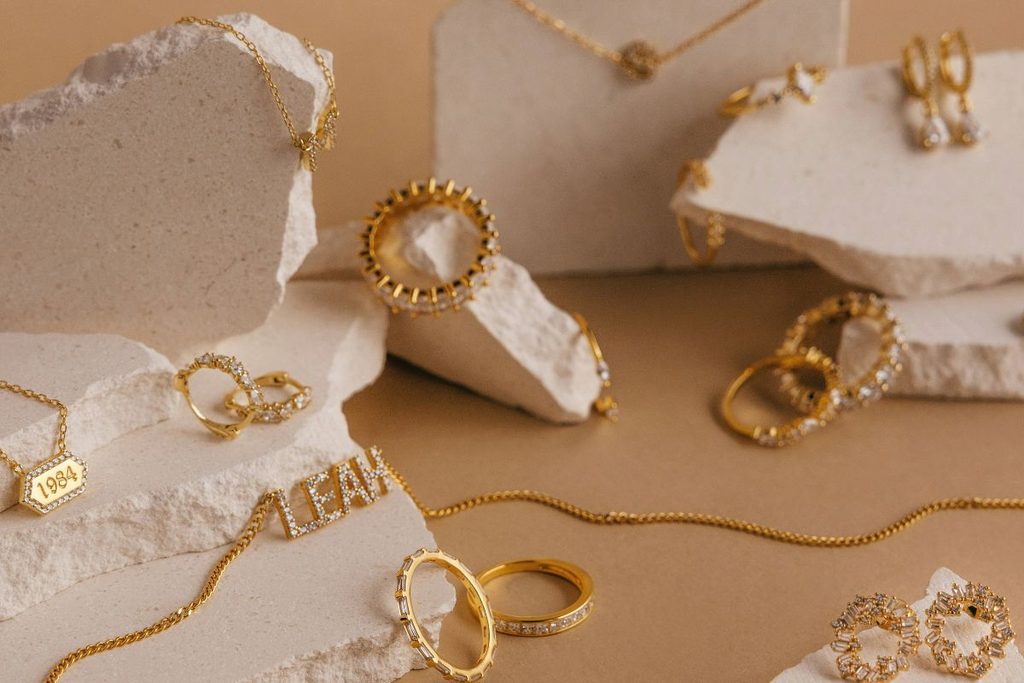
Pick pieces that fit multiple styles and occasions. Simple studs, thin chains, and slim bands sell well to retailers and wholesale jewelry buyers.
Offer mixed metals and adjustable fits to raise everyday wearability. Buyers watch market trends and favor items that move fast and protect profit margins. Next, shift focus to ethical sourcing and sustainability.
Ethical sourcing and sustainability
After focusing on versatility and everyday wearability, retailers must add ethical sourcing and sustainability to their plans. Ethical sourcing means choosing suppliers who use recycled metals, conflict-free stones, and fair labor.
Supplier selection should include audits, certifications, and clear supplier relationships.
Clear labeling helps buyers see materials and origin. Modern consumers favor brands that show transparency and care. This stance can affect retail pricing and profit margins, so tie sustainability into inventory management and product selection.
Gender-inclusive and unisex designs
Design unisex pieces that fit many sizes and tastes. Retailers can stock these items to meet customer preferences and boost sales. Wholesale jewelry buyers gain flexible product assortment and stronger supplier relationships this way.
Use neutral metals, clean lines, and adjustable fittings to ensure everyday wearability. Track market trends and sales data to refine product selection and manage inventory for better profit margins.
Sourcing Strategies for Wholesale Jewelry
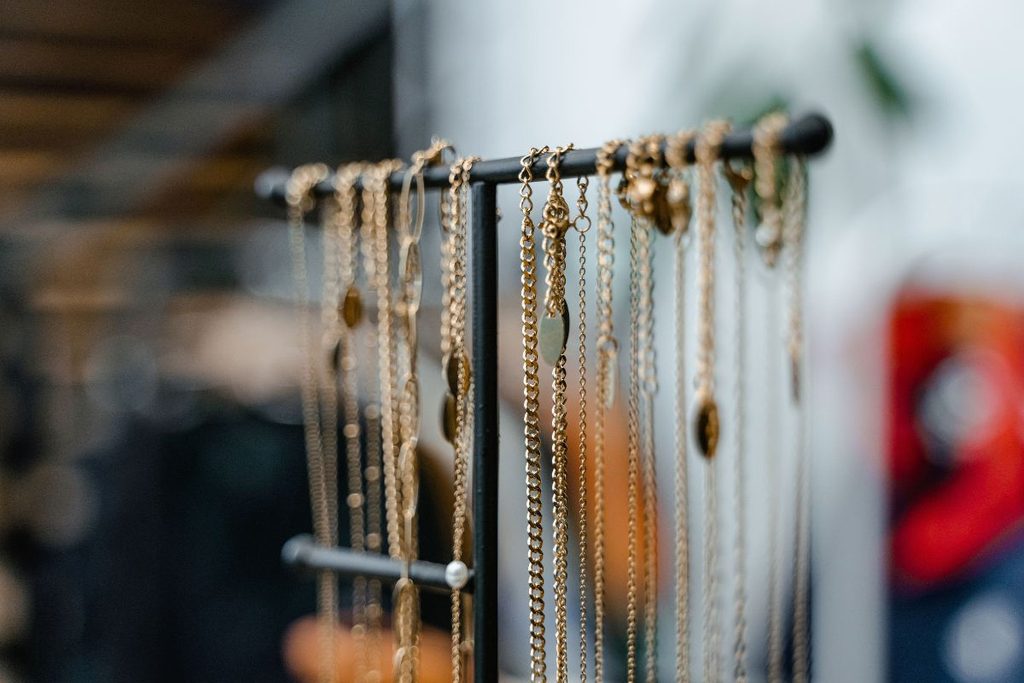
Sourcing jewelry starts with finding reliable suppliers. You need to check their product quality and range before you make a deal.
Research reputable suppliers
Finding trustworthy suppliers is key to a successful wholesale jewelry collection. Look for companies with good reviews and a solid track record. Check their websites for information about their sourcing practices and product quality.
Attend jewelry trade shows to meet potential suppliers in person. This allows you to see the products up close and ask questions directly. Establish relationships with reliable manufacturers who can provide consistent inventory.
A strong partnership helps ensure you get the best pricing and support for your business needs.
Evaluate product quality and variety
After you research reputable suppliers, the next step is to evaluate product quality and variety. Look closely at the materials used in the jewelry. High-quality metals and stones will last longer and appeal more to buyers.
Check for durability, as well-made pieces will withstand daily wear.
Variety is key in wholesale jewelry collections. Offer different styles, designs, and colors that attract modern consumers. Include both trendy items and timeless classics. This mix helps meet diverse customer preferences.
By providing a wide range of options, you increase your chances of sales while building a strong inventory management system that caters to various tastes.
Build relationships with trusted manufacturers
Build strong ties with trusted manufacturers. Work closely with them to ensure quality and reliability in your jewelry collection. Good relationships can lead to better pricing, exclusive products, and priority service.
Visit trade shows to meet suppliers face-to-face. This helps you understand their capabilities and build trust.
Communicate clearly about your needs and expectations. Ask questions about their sourcing practices and production methods. Choose manufacturers who share your values on ethical sourcing and sustainability.
A solid partnership can help you manage inventory effectively and increase profitability in the wholesale business.
Curating a Collection with Purpose
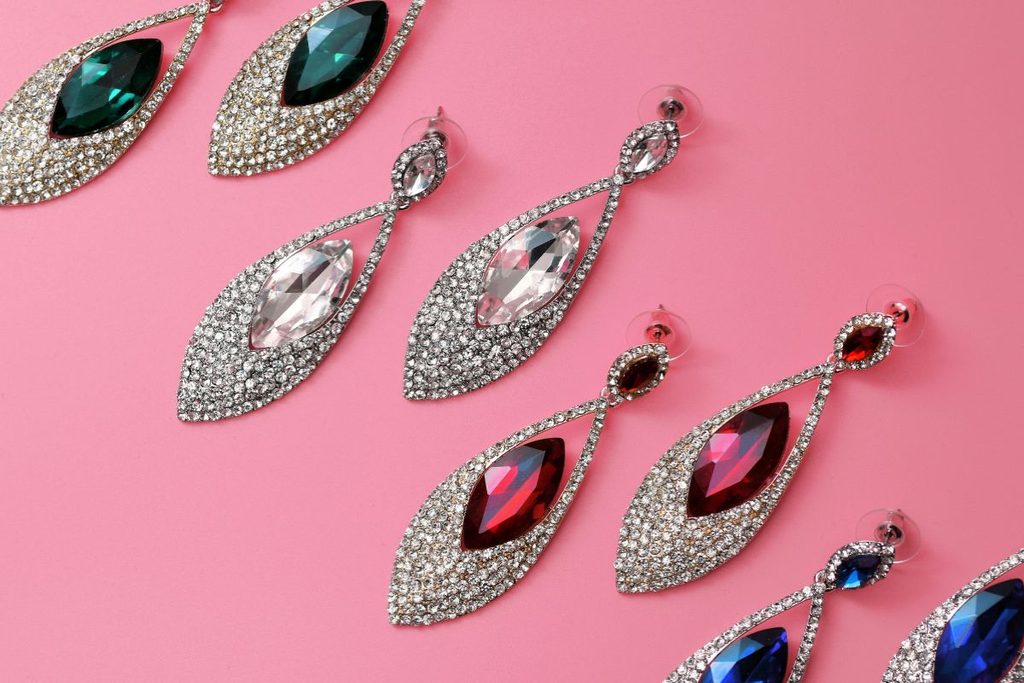
Curating a collection with purpose means choosing pieces that tell a story and fit together well. Focus on creating strong groups of jewelry that appeal to your buyers. This approach helps you meet customer needs while keeping your inventory efficient.
Want to learn more about building an appealing collection? Keep reading!
Focus on strong, cohesive categories
Strong, cohesive categories make a jewelry collection appealing. They help buyers find what they want easily. Grouping pieces by style or theme improves the shopping experience. This approach also allows retailers to showcase their unique offerings.
Use the 70/20/10 inventory method for balance. Allocate 70% to popular styles, 20% to new and trendy items, and 10% to unique designs. Doing this keeps things fresh while meeting customer demand.
A well-curated assortment can boost profitability and attract modern consumers looking for fashion jewelry that fits their lifestyle.
Follow the 70/20/10 approach to inventory
Start with a clear inventory split that guides buying.
| Allocation | What to Stock | Actions |
| 70% Core Staples | Classic rings, simple chains, and hoop earrings that sell reliably. | Order steady quantities. Set reorder points at 30 percent of stock. Aim for 4 to 6 week replenishment cycles. |
| 20% Trend Drivers | Seasonal items, layered sets, and color accents that capture current demand. | Buy smaller runs. Track weekly sales. Increase buys only after clear momentum appears. |
| 10% Experiments | Bold shapes, new materials, and limited drops to test buyer response. | Limit initial orders to 5 to 10 units per SKU. Use pop-up offers to measure interest fast. |
| Pricing Mix | Set margins by category to protect profit while staying competitive. | Keep core margins stable at 40 percent. Allow 30 percent on trends and 50 percent on experiments when feasible. |
| Test Orders | Validate supplier quality and market fit before full buys. | Place trial orders of 10 to 30 pieces. Inspect finish and wear tests. Collect customer feedback within 14 days. |
| KPIs to Watch | Sell-through rate, inventory days, and return rate. | Target a 60 percent monthly sell-through for core items. Keep inventory days under 90. Keep returns below 3 percent. |
| Supplier Strategy | Mix reliable manufacturers with agile partners for trends. | Vet suppliers on lead time, defect rates, and MOQ. Favor partners that allow quick reorders. |
| Adjust Rhythm | Update the split based on sales data each quarter. | Shift 5 percent between categories if metrics support the move. Document changes and outcomes for future cycles. |
Prioritize test orders before scaling
Test orders help gauge how well products will sell. They allow retailers to fine-tune their collections before making larger purchases.
- Start with small orders. This helps reduce risk and confirms customer interest in specific styles.
- Choose a mix of items for the test order. Include various designs and price points to see what attracts buyers.
- Analyze sales data after the test period. Look at which pieces sold well and which did not.
- Gather feedback from customers. Their opinions can guide future selections and adjustments.
- Adjust inventory based on results. Remove items that did not perform, and consider adding more of the best sellers.
- Plan for bulk orders only after successful tests. Ensure you have a clear understanding of what your target market wants.
- Continue evaluating trends even after test orders are successful; preferences can shift quickly.
Next, focus on leveraging trends to appeal to buyers.
Leveraging Trends to Appeal to Buyers
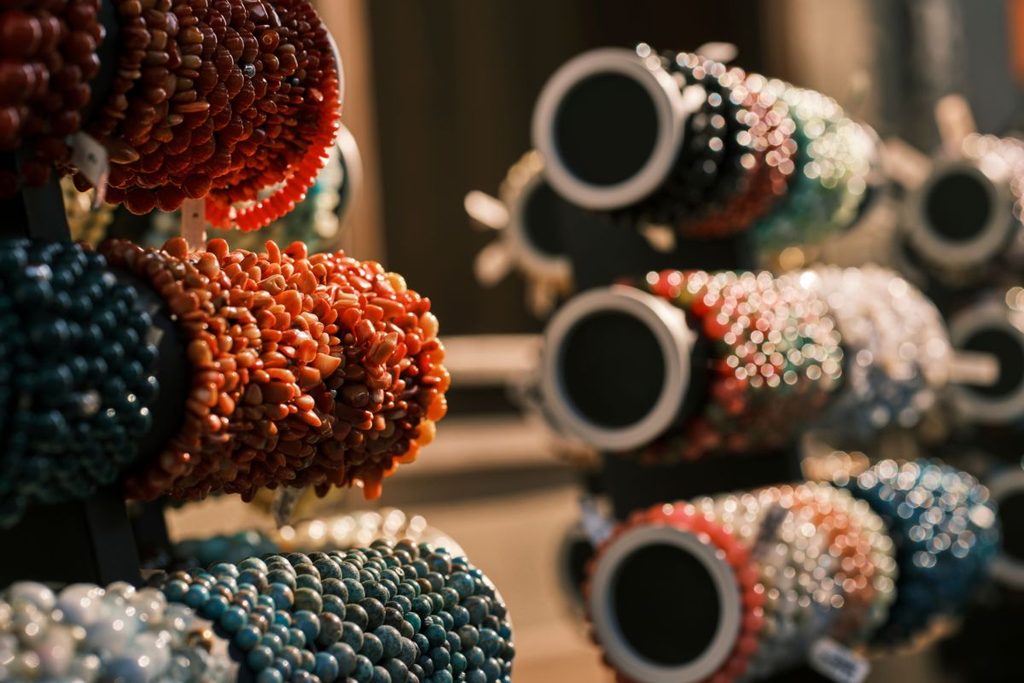
Modern buyers prefer simple and lasting styles. Keep an eye on new trends to stay relevant in the jewelry market.
Incorporate minimalistic and timeless pieces
Minimalistic and timeless pieces attract modern buyers. These designs offer simplicity and elegance. They can fit into any wardrobe, making them versatile for everyday wear. Think classic styles like small hoop earrings or simple necklaces that suit various outfits.
Timeless jewelry remains in style over the years. Minimalist pieces usually use fewer materials, which keeps costs low for retailers. They appeal to customers who want quality without flashy trends.
Incorporating these types of items into a wholesale collection can lead to higher customer satisfaction and repeat sales.
One way to meet the demand for sustainable pieces is by offering wholesale sterling silver pendants that are both stylish and ethically sourced.
Stay updated on emerging jewelry trends
Stay informed about new jewelry trends. Follow fashion blogs and social media influencers. Attend jewelry trade shows to see what’s popular. Look for styles that catch the eye of modern consumers.
Minimalist designs continue to gain popularity. Simple pieces can fit any outfit and occasion. Unisex options are also on the rise, appealing to a broader audience. Unique materials like recycled metals attract buyers who care about sustainability and ethics in sourcing.
Keep an eye on these shifts in preferences as they can shape your product assortment significantly.
Conclusion
Building a wholesale jewelry collection that appeals to modern buyers is key for success. Focus on what today’s consumers want, like versatility and ethical sourcing. Use smart sourcing strategies to find the best suppliers.
Curate your inventory with purpose and keep an eye on trends. By doing this, you can create a line that stands out and meets customer needs.
Images courtesy of unsplash.com and pexels.com