Swimming is not just a fun pastime enjoyed by many; it also plays a vital role in ensuring personal safety. With water surrounding us in countless forms—from oceans and lakes to swimming pools—being able to swim is essential for proficient water safety.
This article will explore six compelling reasons that highlight why swimming is crucial for personal safety, shedding light on the importance of swimming education and awareness.
Drowning Prevention
Drowning remains one of the leading causes of unintentional injury death worldwide, particularly among children. According to the World Health Organization, drowning claims the lives of approximately 236,000 individuals annually. Learning to swim dramatically decreases the risk of drowning, especially for young children who are naturally curious about water. By enrolling in swimming lessons provided by established programs, such as British Swim School, individuals can acquire the necessary skills to navigate different aquatic environments safely. Understanding how to float, tread water, and swim to safety are key components in drowning prevention. Additionally, swimming education promotes awareness of potential hazards in and around water, empowering individuals to make safer choices. Parents play a crucial role by ensuring that children learn to swim at an early age, creating a proactive safety culture around water activities.
Enhanced Swimming Skills for Emergencies
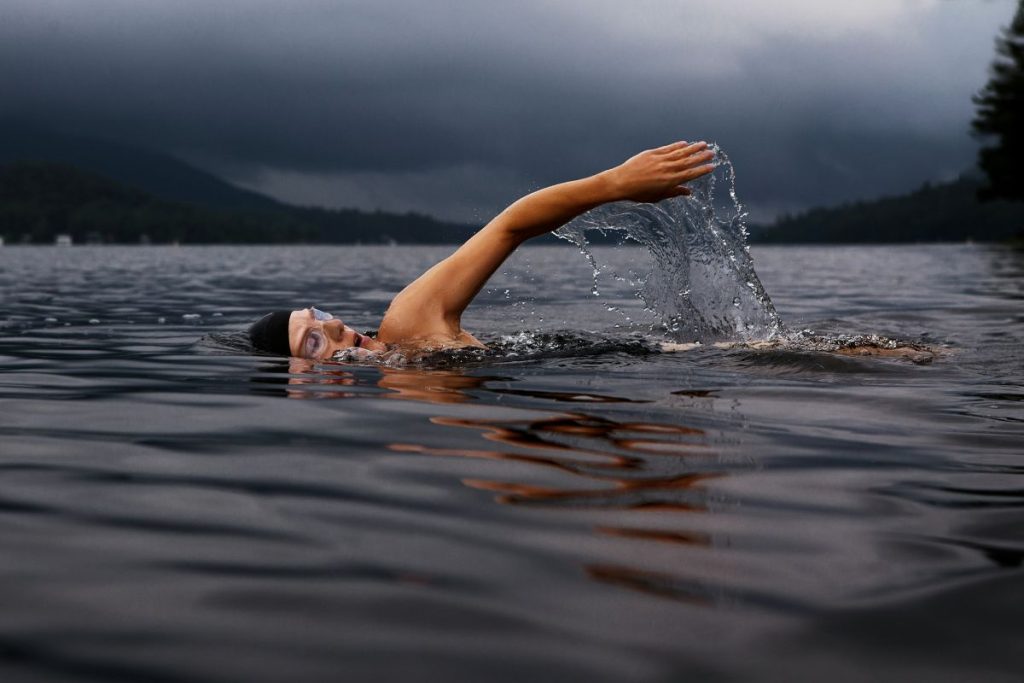
In emergencies, having swimming skills can make a life-saving difference. Situations may arise where someone requires immediate assistance in the water, whether it be a friend, relative, or even a stranger. Knowing how to swim allows individuals to respond quickly and effectively in such situations. It enhances one’s ability to rescue others or to escape hazardous situations. For instance, a well-practiced swimmer can extricate themselves from dangerous currents or reach out to someone struggling in the water. Furthermore, participating in swimming lessons can introduce individuals to rescue techniques. These techniques can prove invaluable in emergency situations and can build confidence both in oneself and in handling water emergencies. Learning how to swim increases individual preparedness and equips swimmers with life-saving skills.
Building Confidence and Reducing Anxiety
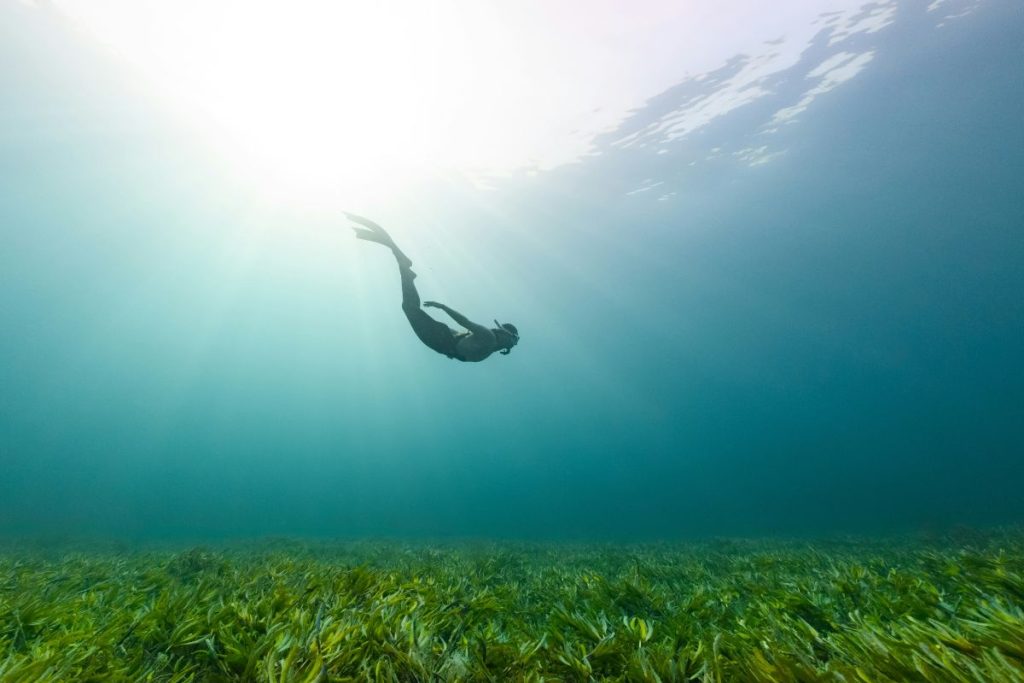
Many individuals develop an aversion to water, often due to fear or a traumatic experience. However, swimming lessons can significantly reduce anxiety around water. Gaining proficiency in swimming increases a person’s comfort level in aquatic environments. As individuals become more adept at swimming, they build confidence in their abilities, which can reduce the panic that often accompanies unexpected situations in water. Additionally, the confidence gained from swimming can extend beyond just the water. Learning how to swim cultivates a sense of accomplishment that can positively affect various aspects of life. Overcoming challenges in the pool translates to taking on challenges elsewhere, making for well-rounded individuals who are more resilient in the face of adversity.
Social Connection and Community Engagement
Swimming can serve as a bridge for forming new relationships and engaging with the community. Many swimming programs emphasize group lessons that foster teamwork and camaraderie among participants. Social connections formed during these classes can lead to lasting friendships and a sense of belonging. Engaging in community swimming events or competitions can further strengthen these bonds while promoting an active lifestyle. These interactions cultivate a supportive environment where safety awareness is shared and reinforced, encouraging members of the community to look out for one another in and around water. Social engagement through swimming can create networks where safety information is disseminated, leading to collective efforts in promoting water safety.
Physical Fitness and Health Benefits
One of the standout benefits of swimming is its ability to promote overall physical fitness. Swimming is a full-body workout that engages multiple muscle groups without the strain that other forms of exercise may cause. Regular swimming improves cardiovascular health, builds muscle tone, and enhances flexibility. A fit body is often better able to respond to stressful situations, making swimming a key component of personal safety. Moreover, maintaining a healthy lifestyle through swimming can aid in reducing lifestyle-related illnesses, thereby decreasing emergency situations that stem from health complications. As swimmers build stamina and strength, they enhance their ability to handle unforeseen incidents effectively.
Lifelong Skill Development
Swimming is a skill that can benefit individuals throughout their lives. Unlike many activities that may be pursued in youth, swimming remains relevant regardless of age. By learning to swim at a young age, individuals not only enjoy the immediate safety benefits but also gain a skill that can be honed over the years. Swimming should be valued as a lifelong activity. Courses offered by organizations can accommodate swimmers of all ages, from infants to seniors. Providing everyone with the opportunity to learn swimming cultivates an awareness of water safety that spans generations. This foundational knowledge ensures that family members can protect themselves and each other around water, making it an invaluable life skill passed down through families. As one progresses in their swimming proficiency, individuals may even explore various types of swimming, such as competitive swimming, synchronized swimming, or water polo. These activities promote enjoyment while reinforcing the importance of swimming as a lifelong commitment to personal safety.
Swimming offers far-reaching benefits that go beyond enjoyment. From preventing drowning and responding to emergencies to building confidence and promoting community engagement, the importance of learning to swim cannot be overstated. Additionally, the physical health advantages that accompany swimming contribute to enhanced personal safety. As communities advocate for swimming education and programs, the ripple effect translates to increased water safety awareness for all. By prioritizing swimming education, individuals become equipped to navigate aquatic environments confidently, ensuring their safety and that of others.
Images courtesy of unsplash.com and pexels.com