

Small businesses are the backbone of many economies, providing jobs and driving innovation. However, running a small business also comes with many responsibilities and legal requirements, including compliance with various regulations.
It applies to various aspects of running the business, from data management to finance and so on. According to a survey by the Federation of Small Businesses, 76% of small businesses in the UK report spending time on compliance-related activities, indicating how essential compliance is for their operations. Here are some compliance tips to help you navigate the requirements and avoid costly mistakes.
Understand the regulations that apply to your business and seek help

Each field of business has its own set of regulations that apply to them. Therefore, it’s vital to understand which ones apply to your enterprise. For example, companies that handle personal data, like a medical practice or retail store, and take credit card information must comply with data protection regulations like HIPAA and PCI-DSS. Failure to comply can result in hefty fines, explaining why it’s important to familiarise yourself with them and take appropriate action to ensure compliance. As a business with such a huge responsibility, you cannot ignore the critical nature of handling and maintaining personal and detailed records. Sometimes, navigating complex business regulations can be difficult, and knowing if you comply is not always easy. The best way forward is to seek specialised help. For instance, if your business handles a lot of client data and wants to ensure you comply with the required regulations, consider speaking to a data protection consulting firm for guidance.
Train your employees on compliance issues

Your employees are the first ambassadors of your business establishment. If they get it wrong, that sets the precedence for other things to get out of line. As front liners of your business, your staff needs to know the compliance requirements directly applicable to your company. For example, if your company handles personal data, your employees should know what information they can and cannot collect. They will also need to know how to properly handle and store that data. In the event of a breach, how can they report it? The success of your employees’ compliance training will depend largely on how well-informed you are about these practices. This way, you reduce the risk of non-compliance and its associated pressures on your business.
Regularly review and update your policies and procedures
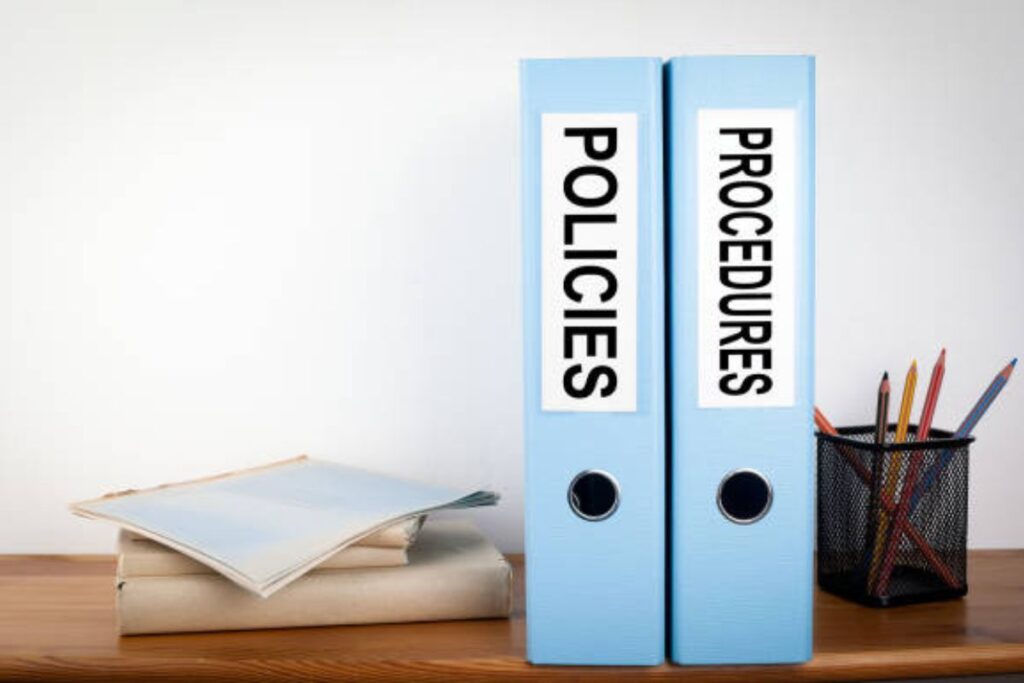
Compliance is an ongoing process, and regulations can change over time. It’s important to keep up with these changes and update your policies and procedures accordingly. For example, suppose a new data protection regulation is introduced in the UK. In that case, you must update your data protection policies and procedures to ensure that your company is still in compliance. In addition, you should regularly review your existing policies and procedures to ensure they’re still appropriate for your type of business. For instance, if you started with a limited number of people but now your business has grown with more employees, it’s advisable to update your health and safety policies. Doing this will reduce or eliminate the high risk of costly fines associated with non-compliance.
Images courtesy of unsplash.com and pexels.com











1 thought on “<strong>3 Compliance Tips For Small Businesses</strong>”
Comments are closed.