We’ve seen a significant increase in the popularity of hair transplants over recent years. There are good reasons for this; hair transplants can produce some amazing results and can help alleviate the stress and upset that can be caused by hair loss.
For many people who are considering getting a hair transplant, the process can seem like a bit of a mystery. This can work to discourage people from finding out more about the procedure and can even work to put them off it entirely. We’re here to break down the process behind a hair transplant and bust some of the myths associated with the procedure. Keep reading to find out more.
Follicular Unit Excision

There are two primary types of hair transplant, with one of the most commonly known as a follicular unit excision (FUE).
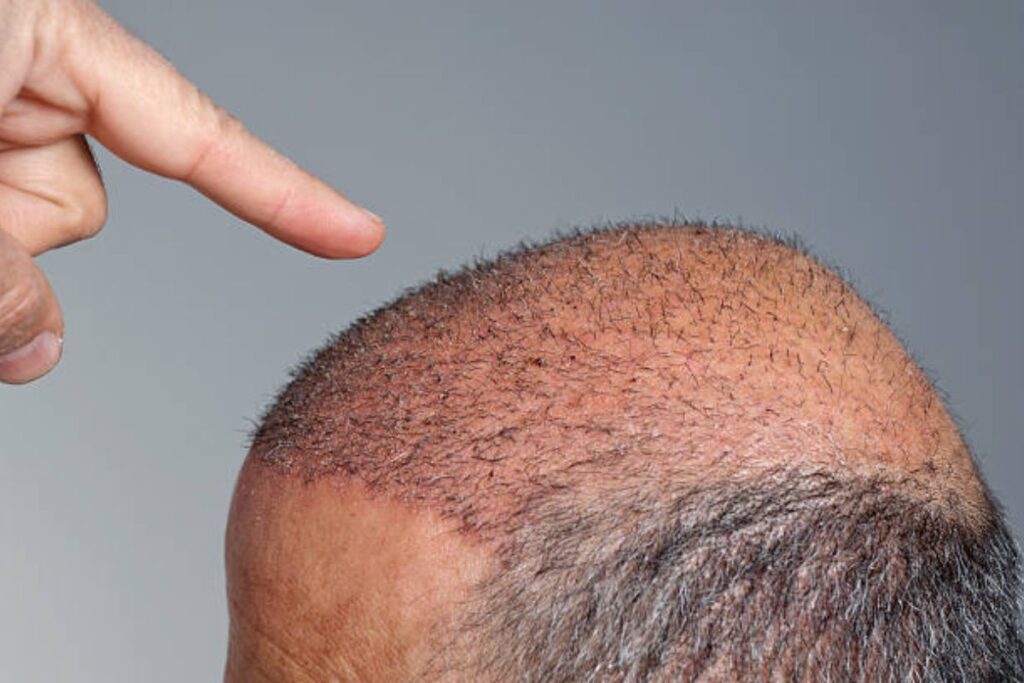
In an FUE hair transplant, the back and sides of the head are shaved before individual hairs are carefully extracted. Surgeons make use of equipment known as micro-punches to extract these hairs with minimal trauma to the skin and surrounding tissue.
The hairs are then planted into tiny cuts that are made in parts of the scalp that suffer from hair loss or hair thinning. These hairs will grow in this new area and make the hair on your head look longer and thicker.
Once hair has been moved to the new area, it will begin to grow within around three to four months, with anywhere between 10% and 80% of the hair expected to grow back.
Follicular Unit Transplantation
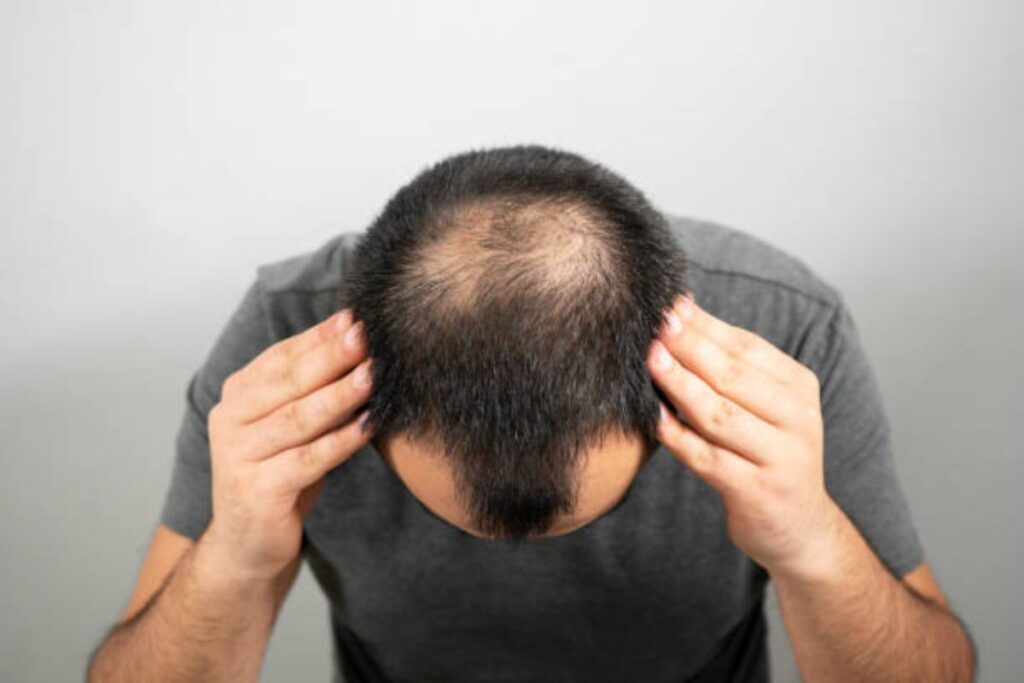
The other main hair transplant procedure is called a follicular unit transplantation (FUT).
In a FUT hair transplant, surgeons will remove a strip of skin from somewhere on the scalp that contains hair follicles. This is used as a graft and surgeons will then remove hair follicles from the strip and insert them into parts of the head that are suffering from balding or thinning hair.
Surgeons will need to be careful in their placement of these follicles to ensure the end result looks natural. They will often draw on a hairline before the procedure to act as a guideline at the later stages.
Which Method Is the Best?

While both FUE and FUT hair transplants are used to achieve the same results, they use different processes to do so and as such come with different advantages and disadvantages.
Which method you ultimately opt for will be determined by your unique situation. Often, those with severe baldness or hair thinning will go for an FUT transplant, while those with less extreme thinning might find an FUE transplant is the better option.
FUE transplants can take longer but are far less invasive. With an FUT transplant, the removal of the strip of skin can often leave a scar. FUE transplants only leave miniscule marks where follicles have been extracted, which are barely noticeable and can easily be covered by hair.
Conclusion
Don’t let the process behind a hair transplant confuse you. Follow the guide above and make sure you are making an informed choice about your hair transplant.
Images courtesy of unsplash.com