Choosing the ideal playback system isn’t as simple as it looks. With a vast array of models on the market, each boasting its unique subtle tweaks, the decision can become overwhelming. One of the most debated choices is between an MM and an MC cartridge.
The MM (Moving Magnet) is often celebrated for its smooth, warm tonal balance, while the MC (Moving Coil) option is prized for its exceptional clarity and finely detailed sound. Understanding the differences between the two is key to choosing the best listening experience for your vinyl collection.
Cartridge Systems Explained
At the heart of every turntable setup is the cartridge, the tiny but powerful component that translates the grooves of a record into sound. Its job is simple in theory: the stylus moves along the record’s surface, picking up vibrations that are then transformed into electrical signals and sent to the amplifier. Those signals eventually become the music you hear.
The way this transformation happens depends on the transducer’s design. In an MM system, the magnet shifts in response to the stylus while the coil stays put, creating voltage through electromagnetic induction. With an MC design, it’s the opposite. The coil is in motion while the magnet remains fixed. This difference may seem small, but it leads to distinct electrical and sonic characteristics.
Equally important are the stylus and cantilever, which act as the bridge between the grooves and the magnet or coil. Because they need to capture even the tiniest details of the record, they’re usually crafted from lightweight, rigid materials like aluminium or sapphire. The precision of this construction is what keeps distortion low and ensures the stylus tracks the record with accuracy, bringing out the full richness of the music.
MC Cartridge
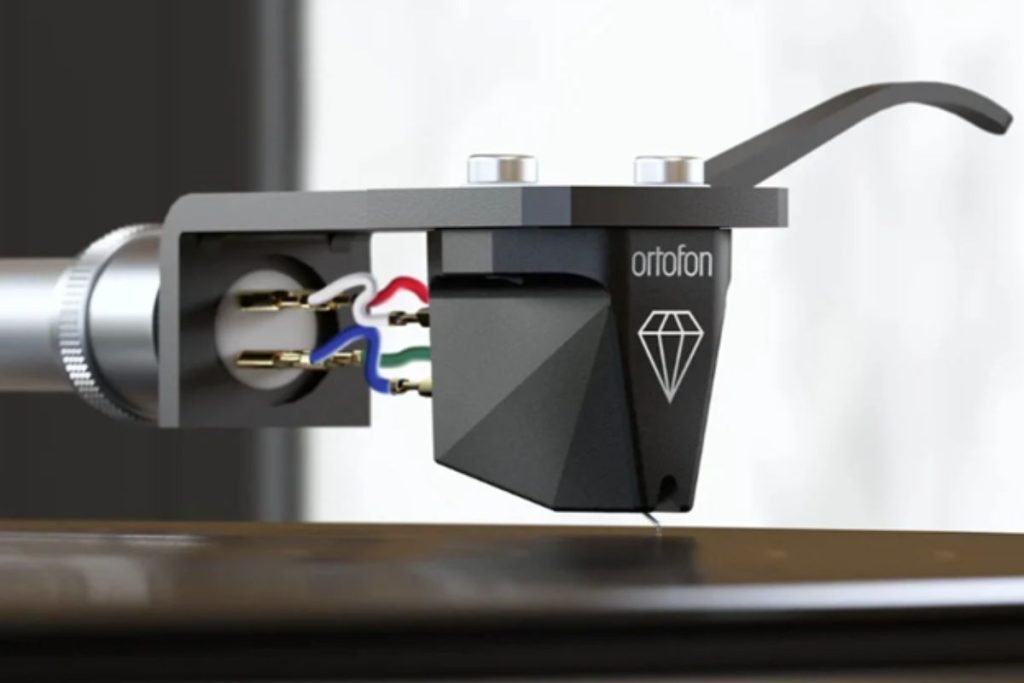
Unlike their moving magnet counterparts, where the magnet does the work, in high-precision MC cartridges, it’s the coil that moves while the magnet stays still. Because these are incredibly light, the output signal ends up being lower, which is why a special phono preamp is usually needed. But that small trade-off is more than worth it for anyone who cares about sound quality.
What makes the moving coil cartridge special is the way it handles detail. With such a low moving mass, the stylus can react almost instantly to even the tiniest groove modulations, capturing subtle shifts in dynamics that might otherwise get lost. The result is a sound that feels incredibly transparent, full of nuance, and especially impressive in the upper mids and high frequencies. Percussive hits, plucked guitar strings, or the quick bite of a bow across violin strings all come through with a sense of immediacy and realism that’s hard to beat.
Another area where MC cartridges excel is imaging. Many listeners fall in love with the way they create a rich, layered soundstage, making it easy to place instruments and voices within a three-dimensional space. That extra sense of depth draws you into the performance, whether it’s an intimate acoustic session or a live recording where you can practically picture the band standing in front of you.
MM Cartridge
MM transducers take a different approach by attaching the magnet directly to the cantilever while keeping the coil fixed inside the body. This setup naturally produces a stronger signal than their moving coil counterparts, which makes them easier to pair with most phono preamps. You’ll still need that extra stage of amplification, but the higher output generally means a cleaner, more confident performance right out of the gate.
One of the biggest perks here is practicality. You can swap out the stylus without replacing the entire transducer, which not only saves money but also extends the lifespan of the system. For many vinyl lovers, that ease of maintenance is a big selling point. On top of that, the stronger output helps reduce the risk of unwanted noise or interference creeping into the music, making quiet sections sound smoother and more natural.
These devices are also forgiving in everyday use. They’re less fussy about alignment and tend to perform consistently even in less-than-perfect setups. For newcomers to vinyl, or anyone who just wants a solid, dependable option with plenty of musical punch, the moving magnet design often strikes a great balance between performance and convenience.
Low vs High Output
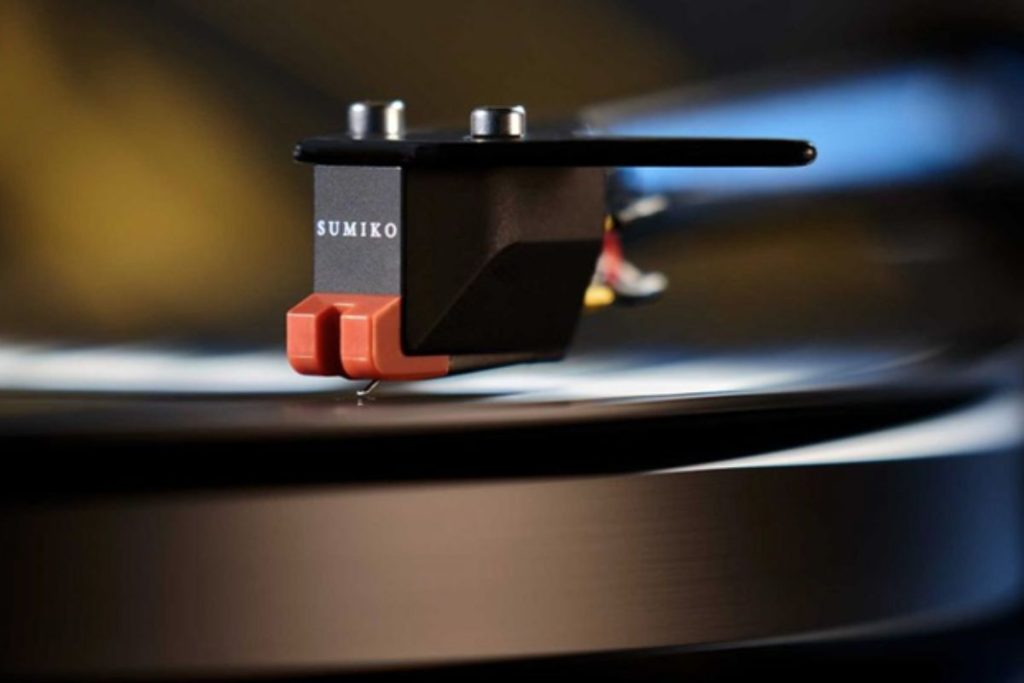
When it comes to moving coil cartridges, you’ll come across two main variations: low-output and high-output. The difference may sound technical, but it comes down to how much signal they generate and how that pairs with the rest of your setup. Each option has its unique strengths, depending on what you value most in your listening experience.
- Low-output models (LO-MC) usually deliver around 0.1–0.5 mV. Because of their lighter coils, they track grooves with incredible precision, which translates into greater nuance, airiness, and natural detail. They shine when integrated into a carefully matched system, but they demand specialized gear, like a dedicated phono stage or step-up transformer, to reach their full potential.
- High-output models (HO-MC), by contrast, generate about 1.5–2.5 mV. While the slightly heavier coil means a small trade-off in microdetail, these transducers offer a fantastic middle ground. They carry much of the sonic refinement that enthusiasts love, but with the added convenience of being compatible with most MM phono inputs. That makes them easier to work into an existing setup while still giving you a taste of high-end sound.
Features of a Cartridge System
What sets a cartridge system apart is the balance between build quality, engineering precision, and how well it integrates with the rest of your setup. In a moving magnet design, it’s the magnet that does the work, while in MC designs, the focus shifts to the coil. But no matter the principle, the cantilever and stylus are just as critical.
High-end models often feature diamond tips with cuts such as elliptical or Shibata, which are designed to follow the grooves with incredible accuracy and bring out the fine details hidden in the record. The body of the transducer also plays a crucial role. Materials such as aluminium, boron, or even exotic hardwoods are often chosen for their ability to dampen resonance and keep the signal as pure as possible.
Which Principle is Better?
So, which is better – MM or MC cartridge? Deciding between these two comes down to what you value most in your setup. If you want something sturdy, easy to maintain, and hassle-free when it comes to replacing parts, an MM option will serve you well. But if your priority is squeezing out every ounce of detail and refinement from your records, and you don’t mind pairing it with the right amplifier, then the moving coil route might feel more rewarding. One isn’t universally better than the other, but you should match the design to your unique listening habits and the gear you already have.
Images supplied