In recent years, the significance of outdoor play spaces in schools—whether in nursery, primary, or secondary education—has become increasingly clear. These areas not only offer much-needed moments of leisure and relaxation but also play a vital role in the physical, social, and emotional development of children.
For British schools, where academic pressures can be high and time spent outdoors has decreased, playgrounds serve as crucial environments where children can interact, explore, and learn through play. Equally important is the need for these spaces to be inclusively designed, ensuring that every child, regardless of physical or cognitive ability, can benefit.
Benefits of School Playgrounds

School playgrounds offer a myriad of advantages for children’s development:
- Promotion of Physical Activity
With growing concerns over childhood obesity and sedentary lifestyles in the UK, playgrounds are essential in encouraging children to be active. They provide a natural setting for running, jumping, climbing, and playing, which not only improves coordination, strength, and endurance but also helps in building lifelong motor skills. Regular physical activity is linked with better health outcomes and improved concentration in the classroom. - Development of Social Skills
Playgrounds are a dynamic social arena where children learn to interact, share, and collaborate. Engaging in group games and taking turns on play equipment fosters essential skills such as empathy, negotiation, and respect for others. These interactions help build confidence and improve communication abilities, which are crucial for success both in school and later in life. - Impact on Emotional Wellbeing
Exposure to natural environments and open spaces is known to reduce stress and anxiety. In the context of increasing academic pressures, playgrounds offer a therapeutic break where children can unwind and rejuvenate. Studies within the UK have shown that regular outdoor play is associated with enhanced mood, reduced behavioural problems, and better overall mental health. - Enhancing Learning and Creativity
Outdoor play is not just about physical activity—it also stimulates imagination and creativity. Many schools in Britain have started incorporating outdoor learning programmes, where the playground becomes an extension of the classroom. This approach fosters problem-solving skills, critical thinking, and an appreciation for nature.
Inclusivity in Playgrounds

For playgrounds to truly serve their purpose, accessibility must be at the forefront of design. Inclusive playgrounds ensure that all children, including those with disabilities, can participate fully. This means:
- Accessible Swings and Slides: Equipment designed for children in wheelchairs or with mobility challenges.
- Tactile Pathways: Surfaces that cater to children with visual impairments, enabling them to navigate safely.
- Multisensory Areas: Zones equipped with varied stimuli (sound, texture, colour) to engage children with different learning styles and sensory needs.
Inclusive playgrounds not only promote equality but also teach children the value of diversity and cooperation from an early age. Many UK schools are now aiming to meet or exceed standards such as those set by the British Standards Institution (BSI) for playground safety and accessibility, ensuring that these spaces are safe and welcoming for everyone.
Design and Maintenance of Playgrounds
- Choice of Materials and Safety Standards
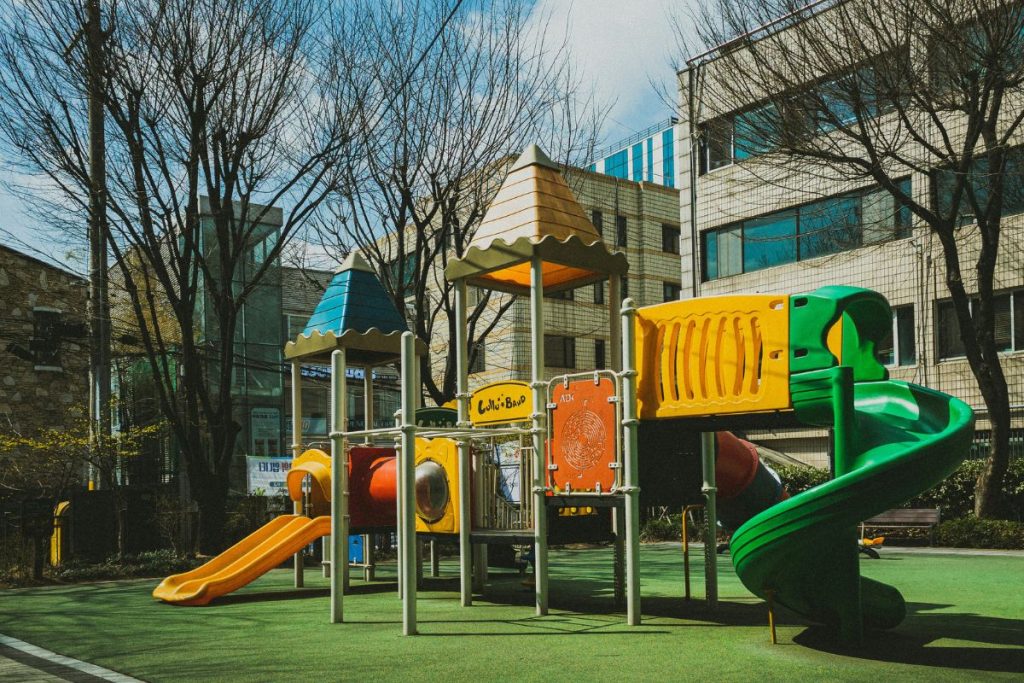
The design of a school playground must prioritise safety and durability. Using robust materials that can withstand the British weather—ranging from damp winters to warm summers—is essential. Impact-absorbing surfaces, such as recycled rubber or engineered wood fibre, are critical in reducing injuries. Adhering to the British Standards for playground equipment ensures that every installation meets rigorous safety and quality criteria. - Diversification of Recreational Activities
A well-designed playground should offer a variety of activity zones to stimulate both physical and creative play:- Climbing Zones: To build strength, balance, and coordination.
- Quiet Areas: Designated spaces for children who need a calm environment or a break from high-energy play.
- Water Play and Sensory Pathways: These add variety and encourage exploration, appealing to different interests and sensory needs.
- Maintenance and Community Involvement
Regular maintenance is crucial to keep playgrounds safe and appealing. This includes routine inspections, prompt repairs, and regular cleaning of equipment and surfaces. In many British schools, involving parents, teachers, and local communities in the management and upkeep of playgrounds has proven effective. Such initiatives not only enhance the safety and longevity of the equipment but also build a sense of communal responsibility and pride. - Integration with Curriculum and Local Initiatives
Increasingly, UK schools are integrating outdoor play into their curriculum through initiatives like ‘Forest School’ and outdoor learning projects. These programmes highlight the educational benefits of learning outside the traditional classroom, encouraging creative teaching methods and a deeper connection with nature. Moreover, local councils and government bodies often provide grants and support to schools aiming to improve or expand their playground facilities, recognising the broader social and health benefits.
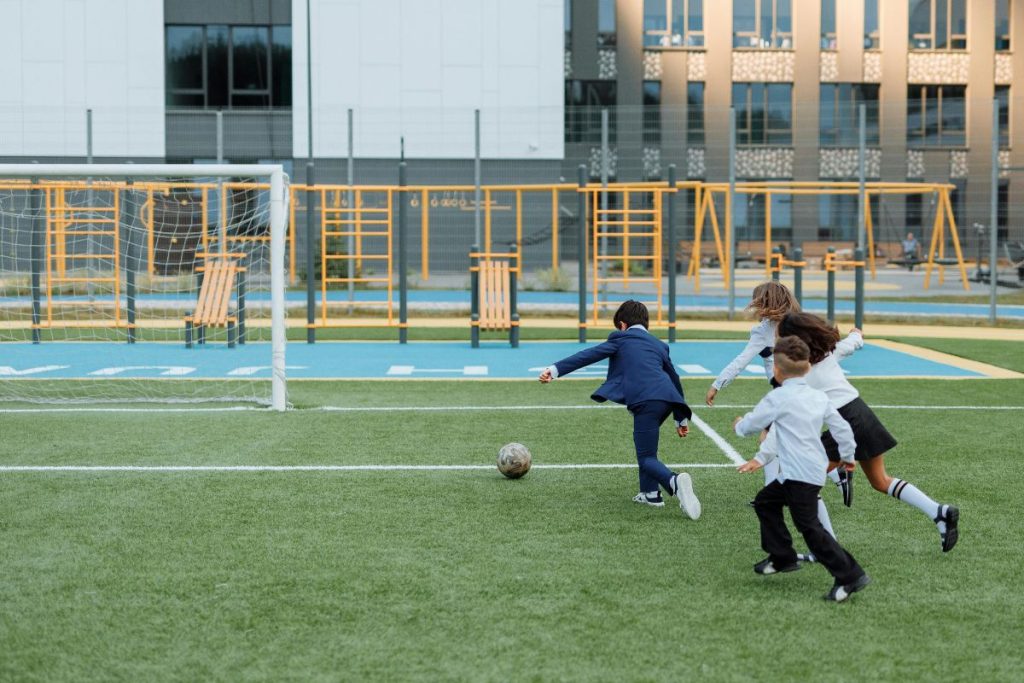

School playgrounds are a cornerstone of a well-rounded education, offering far more than just a break from academic rigour. They are pivotal in fostering physical health, nurturing social skills, supporting emotional wellbeing, and enhancing creative learning. For British schools, investing in inclusive, safe, and stimulating playground environments is an investment in the future—ensuring that every child has the opportunity to thrive in a positive, supportive setting. As our understanding of the benefits of outdoor play continues to grow, so too does the commitment to creating accessible green spaces that meet the evolving needs of all children, paving the way for a healthier, happier, and more inclusive society.
Images courtesy of unsplash.com and pexels.com