When furnishing your home, making a smart choice can transform the aesthetics and the functionality of your living space. The art of selecting furniture is about understanding your needs and the style that best fits your personality.
Many factors can improve your furniture-buying experience, from considering the available space to evaluating materials and designs that accommodate your lifestyle. The right furniture has the potential to elevate comfort and convenience. See how you can make furniture decisions that will serve you well for years.
Assess Your Space and Needs
Before diving into the world of shopping, take a moment to assess your space. Measure the dimensions of the rooms where you’ll place your new furniture. Knowing whether your space benefits from a large sectional sofa or perhaps a compact dining set can steer your selection. Don’t shy away from utilizing online design tools or graph paper to visualize your layout.
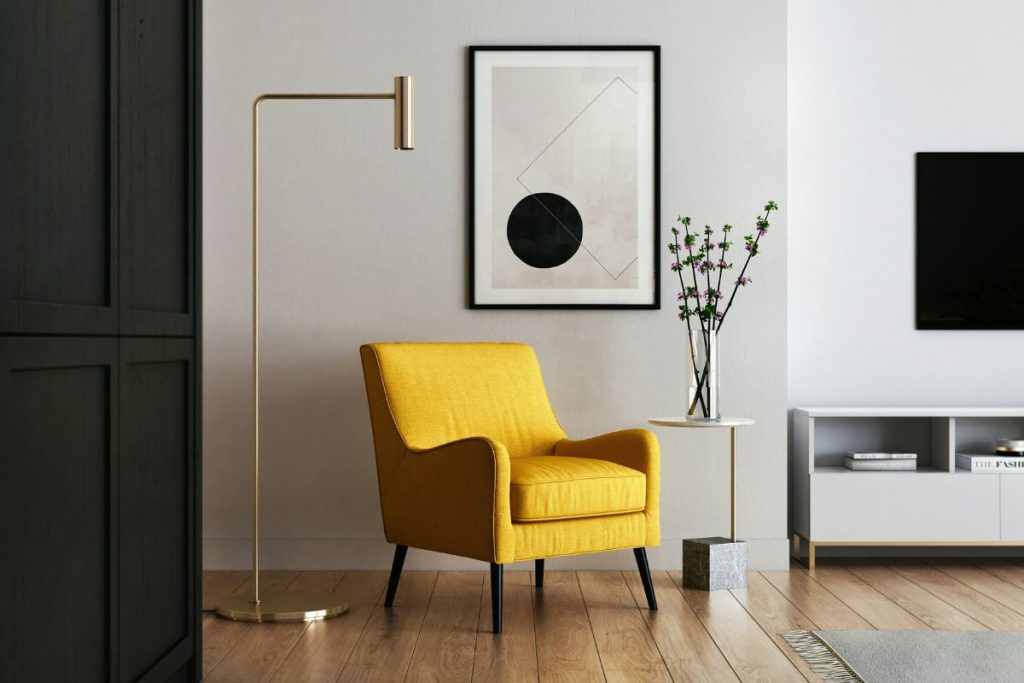
When considering utility, contemplate the aesthetic vibe you want to achieve. If you are going for a luxury design, you can invest in premium massage chairs to add to the comfort and aesthetics of your home. All these factors will guide you in selecting the right style that marries functionality and beauty.
Set a Realistic Budget
In the furniture-buying process, budgeting should not be ignored. To get started, evaluate your financial situation and set a budget that works for you. Factor in price ranges for different types of materials, brand reputations, and your preferred styles. Higher quality pieces might carry a higher price tag, but pay off in durability and comfort. Know that it’s okay to splurge, but be cautious not to go overboard.
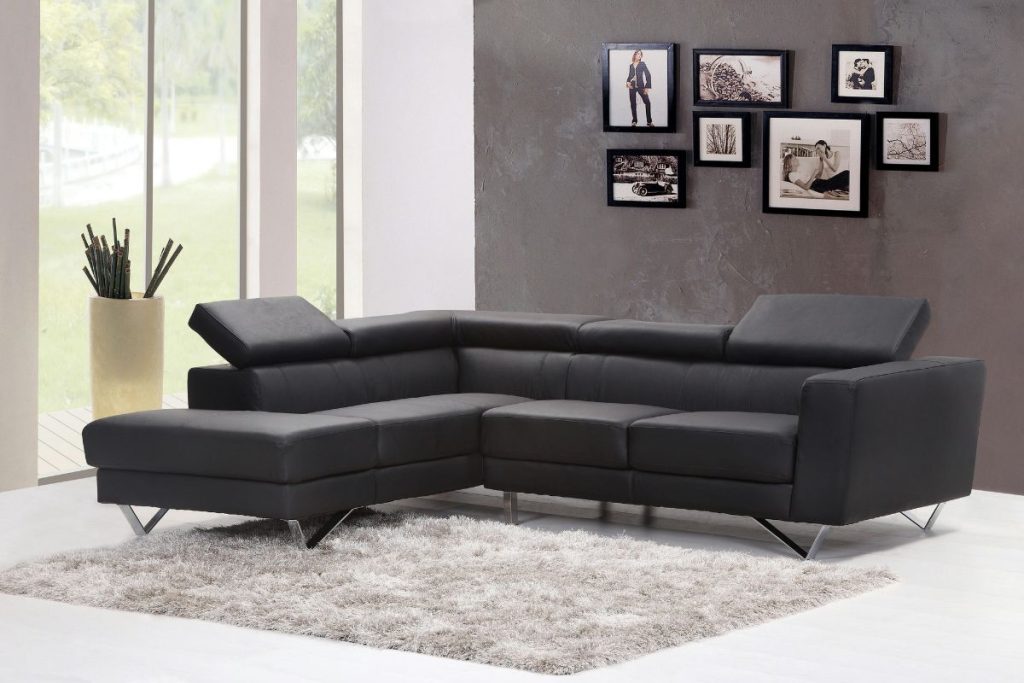
Account for extra costs that may come up. Explore secondhand shops or outlets to find quality pieces at discounted rates. If you’re open to restoration, buying used furniture can add distinctive character to your space and better stick to your budget. Always be mindful to compare prices across various platforms, from online retailers to local showrooms, to secure the best deal.
Choose the Right Materials
The material choice can heavily impact your furniture’s durability and appearance. Leather and high-grade fabrics are preferred for their resilience and cleanability. Wood adds warmth and character, but it tends to require more maintenance. Look into fabrics that repel stains or are tailored for comfort. Look into the climate where you live. Humid areas might not be friendly to certain types of wood, which can warp. For sofas or chairs, opt for upholstery that aligns with your lifestyle.
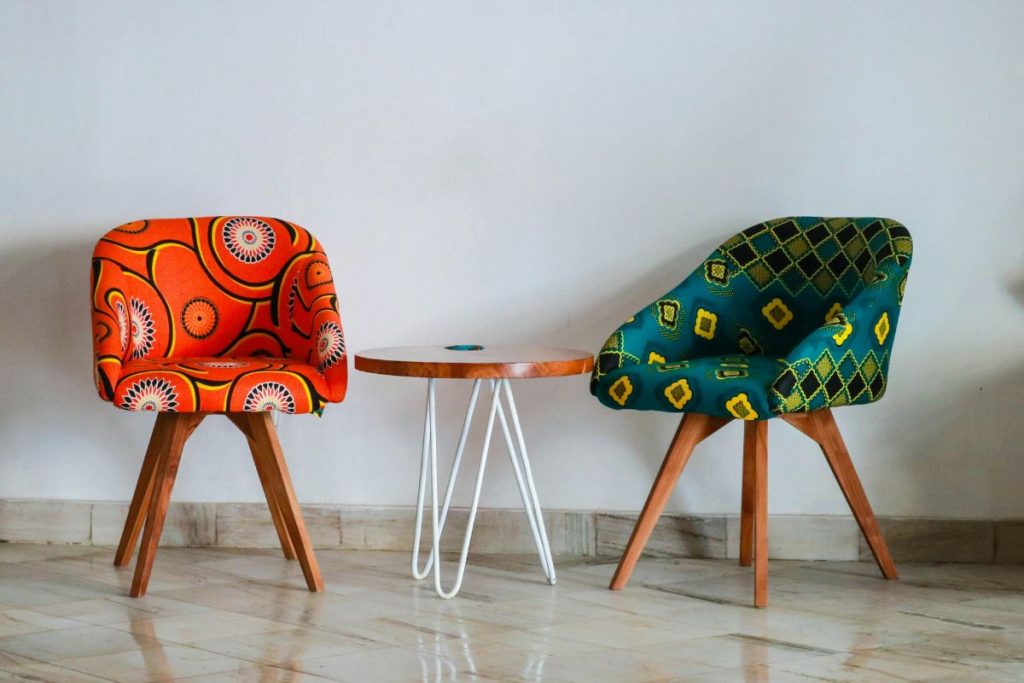
High-quality materials can elevate even the simplest of designs. No matter if you are opting for the luxurious feel of cashmere for your cushions or more rugged materials for frequent use, be informed and make choices that harmonize comfort and strength.
Research Brands and Reviews
Better insights about furniture brands are just a few clicks away. Take some time to research reputable brands and read customer reviews to identify those with quality standards. Knowledge about a brand’s reputation can guide you in making informed decisions that provide satisfaction in your purchases.
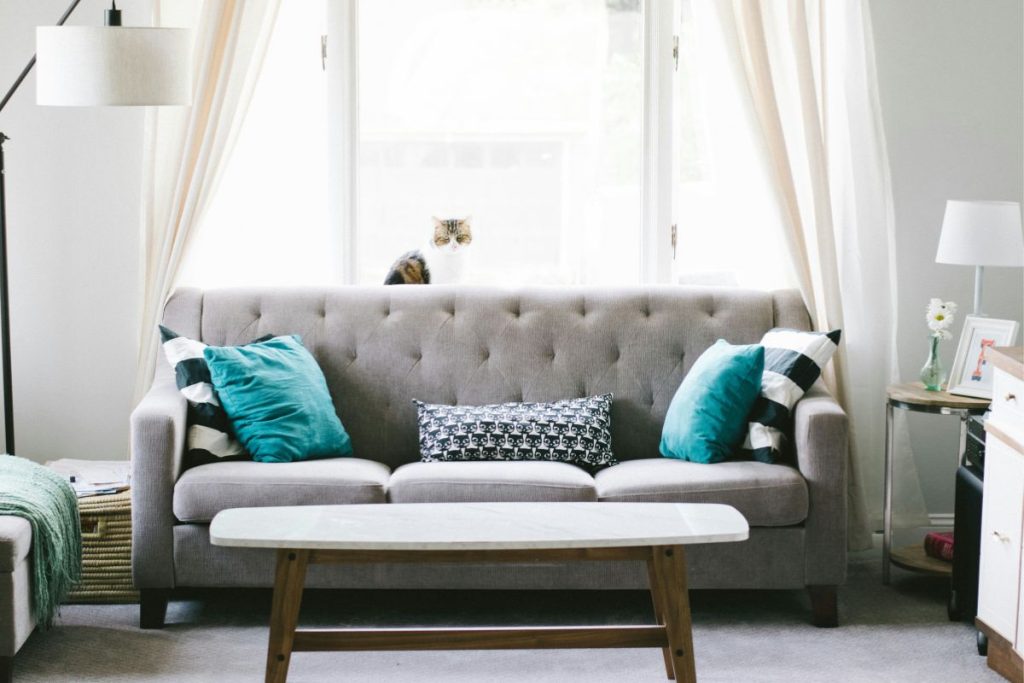
Focus on learning about the warranty and service policies they offer, as these can reflect a brand’s confidence in its products. User reviews expose you to first-hand accounts of experiences with various pieces, from comfort and assembly to durability. Compare reviews from various platforms and social media feedback for a well-rounded perspective. Gather insights, and you’ll be more equipped to rely on your instincts while shopping.
Test Before You Invest
Once you narrow down your choices, test furniture in person. Sit on sofas or chairs, open drawers, and inspect surfaces. Essays on aesthetics can sway decisions. For mattresses and recliners, take the time necessary to get a feel for their responsiveness. A short sit can mislead; results may vary with extended use. Assess the cushioning as it can heavily determine suitability for your needs. Try adjusting any mechanical features in office chairs and ergonomic seating.
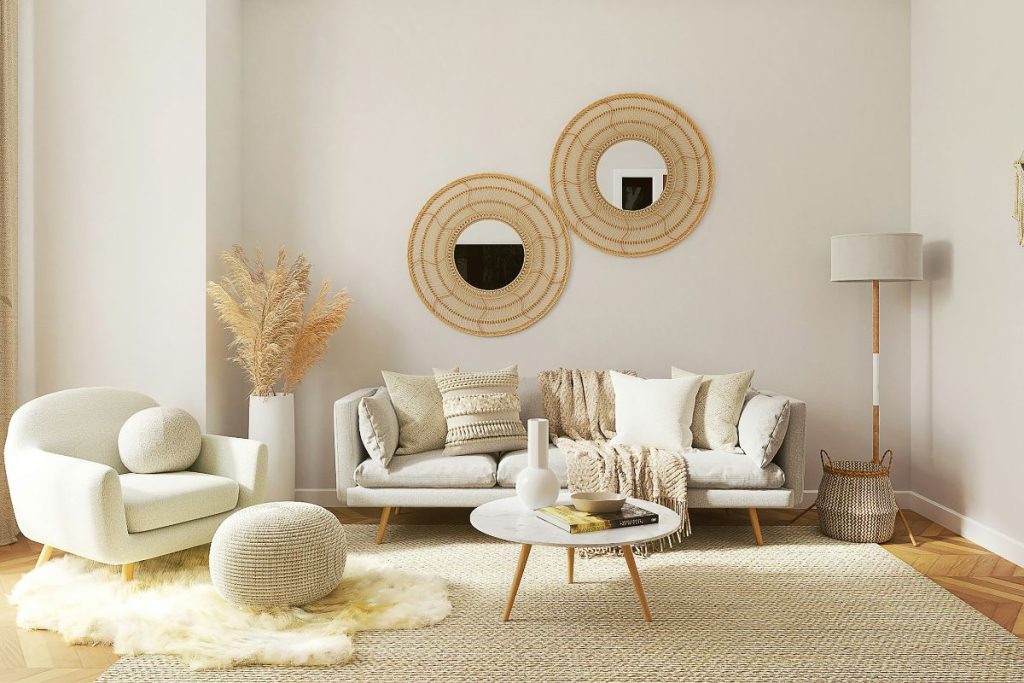
In the case of an investment piece, checking how it performs before purchase will guarantee the purchase aligns with shifting comfort needs. Test furniture to get what you pay for and clarify that the item integrates harmoniously into your lifestyle.
Factor in the Return Policy
No one wants to buy furniture, only to find out it doesn’t fit well or blend with its surroundings back home. Familiarize yourself with the conditions under which returns or exchanges are allowed, including whether shipping fees are refundable. Some sellers may impose restocking fees, which could be an unpleasant surprise after you’ve decided an item is not suitable.
Time frames for returns differ from place to place. Asking these questions upfront will save you potential headaches later on. Test out the furniture within your home setting before fully committing, as the lighting and positioning may affect your impression.
Finding the perfect furniture for your home is a journey requiring thoughtful planning and execution. From recognizing your space and setting financial limits to investigating materials and testing comfort, mindful shopping leads to creating the ideal environment. With these tips in mind, selecting pieces that reflect your unique taste and lifestyle will add to your living experience.
Images courtesy of unsplash.com and pexels.com