Fuel prices in the UK keep rising, putting pressure on businesses using transport daily. For any organisation managing multiple vehicles, even minor drops in efficiency increase costs. Finding effective solutions for cutting fuel use now plays a direct part in protecting profit margins.
Modern monitoring systems provide useful information about operational inefficiencies. Causes can include routes, habits or missed maintenance. Managers use this data for targeted improvements in fuel costs, from driver retraining to adjusted scheduling.
The Hidden Costs Draining Your Transport Budget
Fuel inefficiencies often slip through the cracks in everyday operations. Many organisations notice losses not at the fuel pump but in areas like idling, poor route choice, or missed maintenance deadlines. Without clear measurement, these costs add up and slowly eat into profit margins.
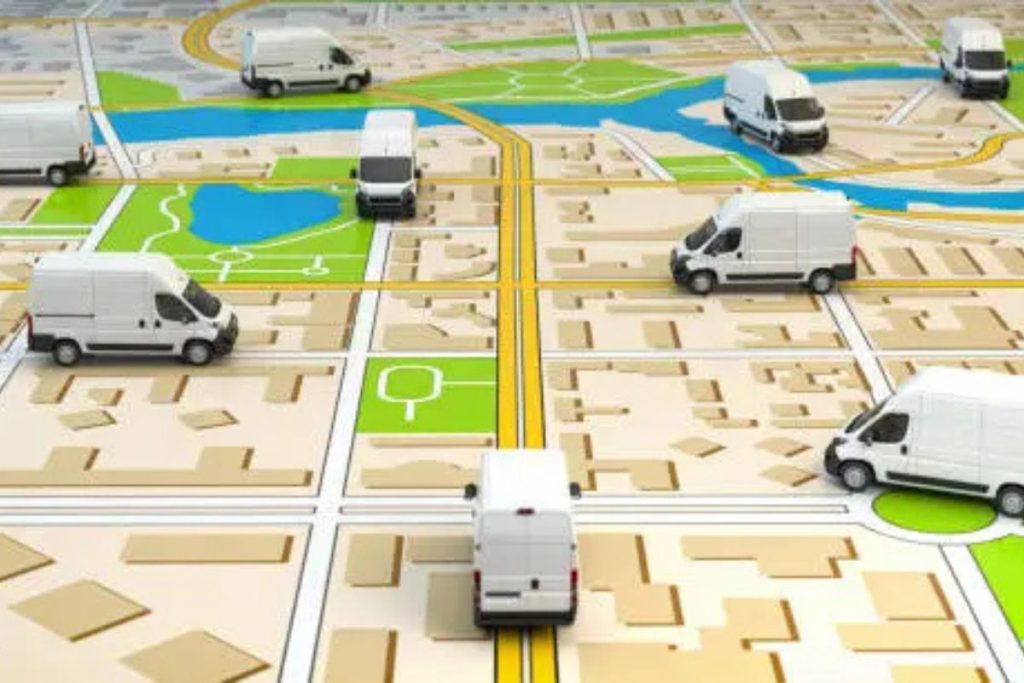

A reliable GPS fleet tracking solution provides practical data to address these hidden costs. Several options are available, and selection should suit business needs. Industry resources such as the Road Haulage Association (RHA) offer sector-specific advice on tackling inefficiencies in UK fleets.
For small businesses, fuel is often a major expense, sometimes only behind staff wages. Managing these costs is essential for maintaining profitability, especially as fuel costs can quickly add up.
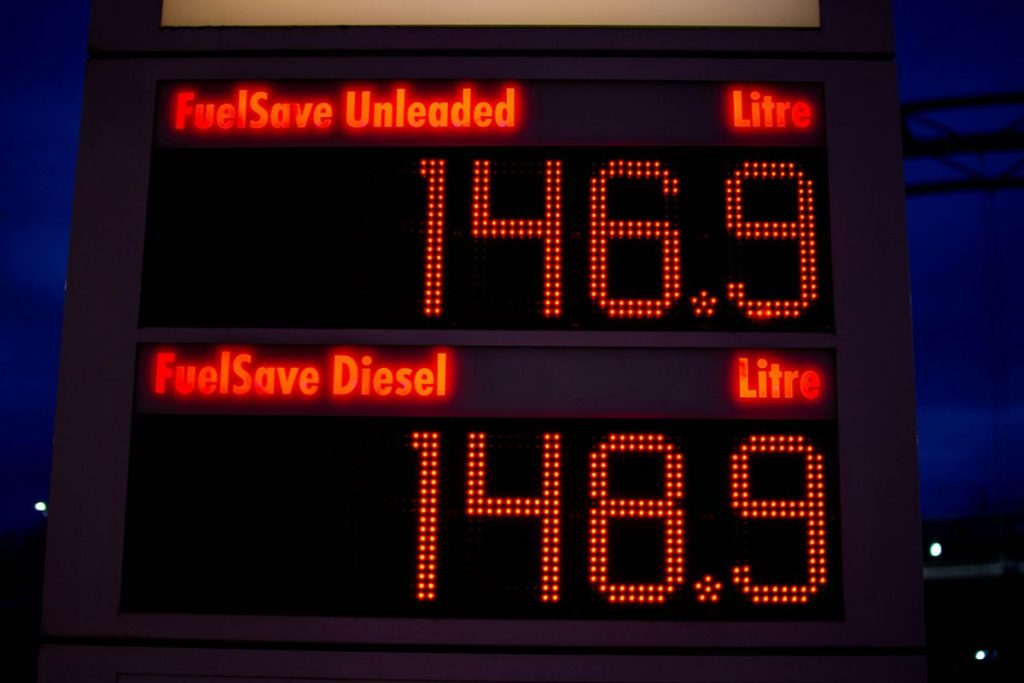
The UK fuel market has fluctuated, with prices rising and falling unpredictably. This volatility makes budgeting difficult and puts pressure on tight margins. Fuel costs significantly impact logistics operations across the country.
Common inefficiencies that drain fuel budgets include excessive idling, poor route selection, aggressive driving and neglected maintenance. Many managers focus only on the price per litre, overlooking these operational factors.
The Fuel Efficiency Pyramid
There are different levels of fuel-saving strategies. At the base lie vehicle maintenance practices. Route planning comes next, followed by driver behaviour changes and advanced fleet tracking technology. Each level supports the last to create greater fuel savings.
Smart Route Planning for Maximum Fuel Efficiency
Poor route selection can push fuel consumption up, as inefficient routes, heavy traffic or unexpected detours lead vehicles to burn more fuel and raise costs. Using a reliable GPS fleet tracking solution can significantly reduce fuel waste and improve efficiency, helping businesses keep costs under control.

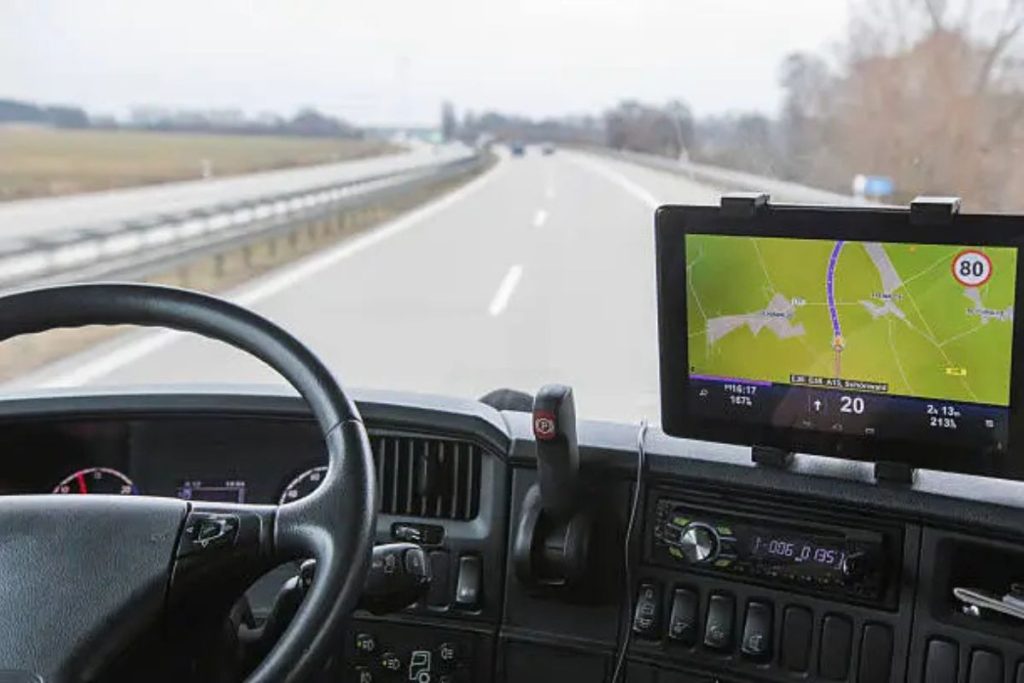
Effective route planning means reviewing delivery schedules and finding waste patterns. Problems may include overlapping routes, backtracking or multiple vehicles serving the same area.
Traffic patterns differ across UK cities, with London and Manchester presenting unique challenges. Fleet tracking systems use real-time data to help drivers avoid congestion, roadworks, and other delays that increase fuel waste.
Fleet tracking technology brings a distinct advantage: spotting and removing unnecessary journeys. Many businesses discover some regular trips can be combined or removed. A distribution company in Leeds cut fuel costs by 12% after finding two delivery routes could be merged.
Driver Behaviour That Saves Pounds at the Pump
The way vehicles are driven matters for fuel use. Aggressive acceleration, harsh braking, high speeds and unnecessary idling can all increase fuel costs. Using fleet tracking systems helps identify inefficient driving patterns like excessive idling and poor habits that increase costs, allowing managers to address these issues.
Smoother driving, steady speeds and gentle acceleration save more fuel than erratic styles. Anticipating traffic flow helps. Driving at or below 60 mph can significantly boost fuel efficiency versus higher speeds.
Driver training programmes focused on fuel savings deliver results. These should teach practical skills such as proper acceleration, smart gear changes and maintaining good speeds.
Fleet tracking systems offer data on individual driving habits. Managers can see who uses more fuel on similar routes, allowing for direct coaching instead of general training for everyone.
Vehicle Maintenance Practices That Improve Fuel Economy
Regular maintenance is the foundation of good fuel efficiency. Well-maintained vehicles use less fuel, and regular checks like proper tyre inflation and clean air filters can make a real difference. Keeping up with maintenance helps keep fuel consumption down.
Several straightforward checks help control fuel use. Routine oil changes, air filter swaps and spark plug care all make a direct difference. Clogged filters or old plugs force the engine to work harder and burn more fuel.
Keeping tyre pressure at the right level matters for fuel economy. Underinflated tyres increase rolling resistance, which puts extra strain on the engine and lifts fuel use. The UK Government’s Office for Low Emission Vehicles explains that keeping tyres properly inflated improves fuel economy and safety.
Air filters need close attention as they directly affect how engines burn fuel. A clean air filter can improve fuel efficiency by up to 10%.
Technology Solutions for Modern Fleet Management
Modern fleet tracking systems allow full visibility of fuel usage across all vehicles. These systems pull data from engines, GPS and driver input. This brings fresh clarity for managers.
Look for a fleet tracking system with tools designed for driving fuel savings. Key features include idle time monitoring, speeding alerts, route planning tools and fuel use reports. Not all systems offer the same detail, so matching tools to business needs is important.
Telematics provide details on idling, harsh acceleration and speeding. With this data, managers can spot patterns and act, such as changing policies or giving extra feedback, based on what really happens within their fleet.
Potential Savings Comparison
Different fuel-saving actions yield different results. Smart route planning and improving driver behaviour can both help reduce usage. Maintaining proper tyre pressure saves extra fuel as well. When paired with consistent vehicle maintenance, these steps bring even better results.
Using a fleet tracking system means managers can track what works, find new areas for savings and respond based on live fleet data.
Real-time monitoring makes quick intervention possible. Managers can contact drivers if they spot odd fuel use or unexpected route changes. Acting quickly helps correct problems before they become habits that cost money.
Data analytics within these systems make it easier to spot long-term trends or missed savings. Reviewing operational data regularly means businesses can improve route planning, vehicle selection and training programmes with evidence behind each choice.
Conclusion
Every business with a vehicle fleet needs to tackle fuel costs with a strategy that matches rising prices and operational demands. Reviewing driver habits, prioritising vehicle maintenance, and using data from modern fleet tracking solutions create a solid base for ongoing savings.
By identifying hidden areas of waste and acting on accurate, real-world data, companies reduce pressure on budgets while keeping their transport operations running smoothly. Combining practical approaches with advanced technology produces clear results, helping businesses remain efficient, flexible, and ready for changes in the transport sector.
Images courtesy of unsplash.com and pexels.com.