When the rain pours outside and children are stuck indoors, parents often struggle to find activities that keep little ones engaged without resorting to screens. Messy play offers a great option for these dreary days, turning ordinary household items into tools for discovery and learning. With a simple tray as the base, children can try out textures, colours, and sensations in a contained space that limits cleanup afterwards.
Messy play helps children practise fine motor skills, try creative ideas, and talk about what they feel or see. Setting up a sensory play tray takes little time and keeps children entertained. Materials such as coloured rice, homemade playdough, water beads, or shaving foam can all be switched to fit any age.
The Importance of Messy Play for Early Childhood Growth
The NHS confirms sensory play supports early brain growth because young children use their senses to discover. When they touch, smell, see, and handle different items, children build neural connections needed for later comprehension.

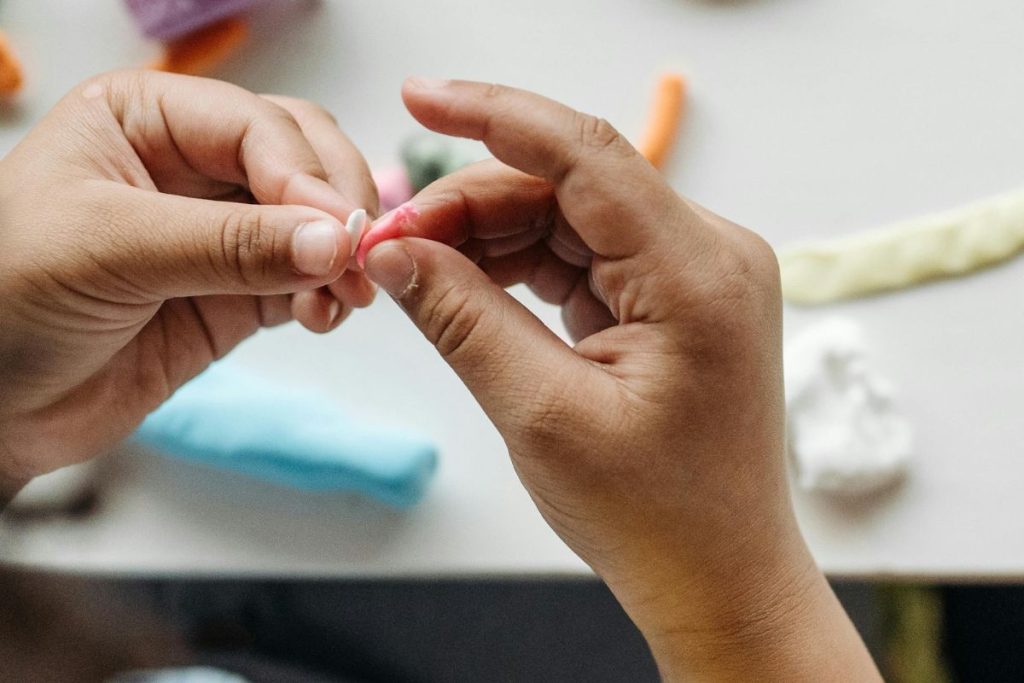
Fine motor skills develop naturally as children scoop, pour, and mould materials. Their small hand muscles get stronger with each squeeze of playdough or transfer of rice from one container to another. These skills will later help with writing, buttoning clothes, and other daily tasks.
Messy play helps children manage their emotions as well. The calming nature of activities like squishing dough or running fingers through sand can reduce stress. This is especially helpful during rainy days when energy levels run high but outdoor options are limited.
Language skills grow during sensory play. Children describe what they feel, see, and create. They pick up new words like “squishy,” “grainy,” or “smooth”. Parents can support this by asking open questions about the experience.
Setting Up Your Home Messy Play Station
Using a messy play tray helps contain the chaos while giving children freedom to experiment. The base of any good setup is a contained area that limits spillage. Large plastic trays with raised edges work very well. Baking trays, washing-up bowls, or cardboard boxes lined with bin bags can serve as affordable alternatives.
Where you set up is important when planning messy play at home. Kitchen floors, bathrooms, or covered outdoor spaces make great spots as they’re easier to clean. If carpet is unavoidable, invest in a splash mat or use an old shower curtain underneath the play area.
Storage options help maintain order between play sessions. Clear plastic containers with secure lids keep materials fresh and organised. Label each container with pictures for younger children, encouraging them to help with setup and tidying.
Essential equipment need not be expensive. Alongside your messy play tray, gather household items like measuring cups, spoons, funnels, and small containers. These everyday tools turn simple materials into engaging activities.
Child-Safe Materials for Indoor Sensory Play
Choosing materials for messy play depends on children’s ages and stages. Edible options offer peace of mind for babies and toddlers who still explore by tasting. Cooked pasta, cereal, yoghurt, or custard provide sensory experiences without worry.

For children aged three and up, dry bases like rice, lentils, or oats present more tactile variety. Coloured salt, coffee grounds, and dried beans introduce new textures and sounds, keeping activities interesting across multiple sessions.
Natural items add another side to play. Pinecones, leaves, pebbles, and seashells collected during dry days can bring a hint of the outdoors inside. Their unique shapes and scents give children reasons to ask questions and compare materials.
Many families find it helpful to rotate materials to prevent boredom. Packaging items in clear containers allows children to help choose their play setup while practising self-care skills such as tidying after use.
Five Rainy Day Sensory Tray Ideas Using Kitchen Cupboard Ingredients
Rainbow rice offers a visually striking sensory base that captures children’s interest with its bright colours. Uncooked rice absorbs food colouring well, and adding a small amount of vinegar helps prevent the colours from rubbing off onto hands during play.
Cloud dough gives children a soft and crumbly material that can be shaped, squeezed, and flattened. Its texture changes as it is handled, holding together when pressed yet crumbling with gentle movement.

Edible sensory play options suit children who still explore with their mouths. Instant mashed potato flakes mixed with warm water form a soft, mouldable dough. Cornflour combined with water creates a mixture that feels solid when pressed but turns runny when held loosely.
Seasonal sensory bins keep rainy day play fresh and appealing. During autumn, combine dried lentils with artificial leaves, acorns, and cinnamon sticks. Winter trays might feature blue-tinted salt with glitter for a frosty effect.
Tools and Accessories to Support Discovery
Household utensils transform sensory materials into new experiences for children. Whisks draw patterns in sand or flour, providing different textures and shapes. Measuring spoons and cups offer early maths practice as children fill, empty, and compare quantities.
Repurposed packaging creates new challenges during play. Empty spice jars with various opening sizes require careful grasping. Yoghurt pots double as scoops, and egg cartons support sorting games.
Preparing play tools together extends both activity time and engagement. Try cutting the tops from plastic bottles for use as scoops or making simple stamps with cardboard. Including children in these preparations makes them more invested in the activity.
Simple tools can create different effects. Tea strainers, sieves, and funnels help children discover how materials flow or move. Cardboard tubes add fun as rollers for playdough or tunnels for beads and dried rice.
Messy Play Activities That Support Learning Goals
Literacy skills often develop during sensory experiences in UK early years classes. Reception teachers provide trays of sand or salt for letter tracing, as noted in Ofsted best practice examples. Children use their fingers to follow letter shapes in fine grains.
Many early years settings hide large letters in coloured rice or pasta. This encourages children to hunt for target letters, then say their names and match them to words displayed nearby. These activities connect movement, touch, and language.
Early mathematics ideas take shape through sensory play without formal teaching. Children count scoops as they move materials between containers. They sort objects by size, shape, or colour within sensory bins. Concepts like volume become clear as they fill containers.
Using a messy play tray allows for simple science activities that fit with curriculum goals. Children can predict what will happen when water beads are added to water, then watch as the beads swell. This helps them notice changes in state and builds observation skills.
Managing the Aftermath: Stress-Free Cleanup Strategies
Getting children involved in tidying teaches responsibility while keeping cleanup simple. Even toddlers can help sweep rice back into trays or wipe tables with damp cloths. Older children can sort materials into storage containers and clean tools.
Time-saving tricks make messy play more appealing to parents. Keep a handheld vacuum nearby for quick pickup of dry materials like rice or salt. For playdough or cloud dough, scrape larger pieces back into storage containers before wiping surfaces.
Water play cleanup is easier with towels placed around the area beforehand. Having a small dustpan and brush nearby helps children gather scattered dry ingredients. Treat cleanup as part of the activity instead of a chore that follows play.
Storage solutions extend the use of sensory materials. Dry ingredients like coloured rice or pasta stay fresh for months in airtight containers. Homemade playdough can last weeks when refrigerated in sealed bags with the air pressed out.
Images courtesy of unsplash.com, pexels.com and Canva.com