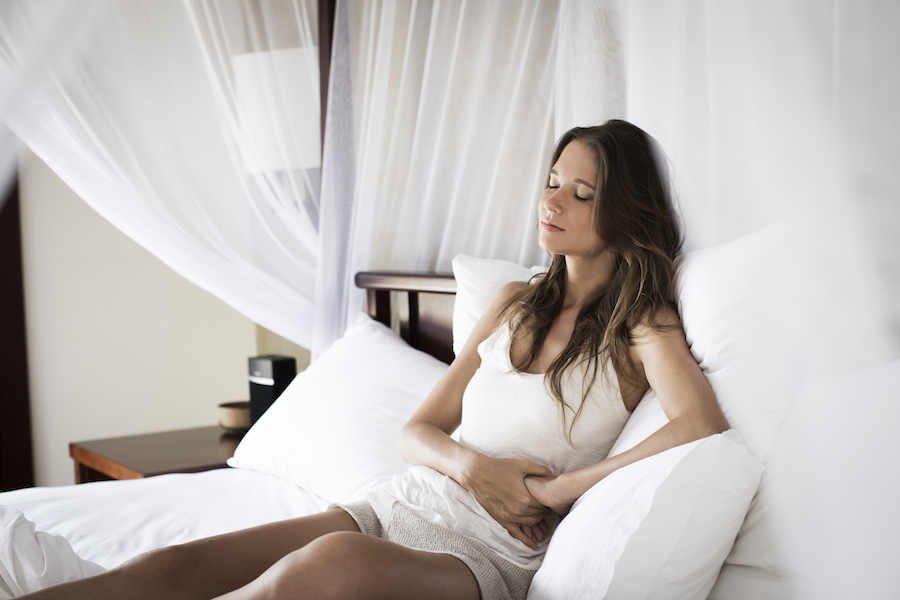
In this world increasingly shaped by fast-paced work cultures, screen fatigue from dealer in real-time casino games, urban congestion, and mounting mental health challenges, wellness retreats have amplified in popularity as sanctuaries of holistic healing. Once considered a niche luxury, these retreats have switched into a mainstream movement, attracting different audiences seeking more than just a vacation.
These days, wellness retreats represent a conscious diversion towards international living. Thereby, offering an escape from the hustle for a deeper reconnection with self, nature, and overall well-being.
A Novel Travel Type

The idea of travel has passed through a transformation. Traditional tourism, usually concentrated on sightseeing, indulgence, and ticking off landmarks, has given way to a more introspective exploration and mental health retreats in Bali stand at the forefront of this shift – offering tailored experiences prioritizing physical health, mental clarity, spiritual awakening, and emotional balance.
The Motivation Behind the Trend
These retreats come in many forms. They range from yoga and meditation camps to holistic retreats like a wellness sanctuary in Bali, as well as digital detox getaways in the Swiss Alps, sound healing sessions in Sedona, Ayurveda-based programs in Kerala, and even luxury mental wellness retreats in California. Each offers a dynamic combination of practices rooted in ancient traditions and modern science, designed to help people disconnect from daily stressors and reconnect with their inner selves. Several socio-cultural and psychological factors have contributed to the surge of wellness retreats.
Mental Health Awareness

The global conversation around mental health has become louder and more urgent. According to the World Health Organization (WHO), there is a sharp surge in anxiety, depression, and burnout, especially in urbanized areas. Wellness retreats offer structured Environments where people can address these issues without the stigma usually associated with therapy. For example, someone might explore a short-term escape through a retreat, while others may continue their healing journey at an Outpatient Mental Health Center In Bellevue, blending professional support with holistic practices.
The Burnout Epidemic
With work-from-home cultures usually blurring the lines between personal and professional life, many people are caught in a cycle of overworking and undercharging. Hence, retreats offer a much-needed pause and a deliberate interruption to feature balance.
Post-Pandemic Reinvention
COVID-19 acted as a collective awakening, which caused people to reevaluate their priorities. Health, time, and personal fulfillment took center stage, leading many to explore healing spaces that support this movement.
Influences Culture
Influencers and celebrities have played a major role in normalizing weakness retreats. When public figures share their transformative retreat experiences, followers become more curious and usually inspired to try it themselves.
Holistic Health Trends
As people move away from quick fixes and reactive health treatments, there is a growing interest in preventive care and holistic well-being. Wellness retreats offer integrative approaches. Therefore, combining nutrition with movement, therapy, mindfulness, and spirituality.
The Science of Retreats
A growing body of research suggests that wellness retreats can have measurable advantages. According to studies, improvements in stress levels, cortisol regulation, sleep quality, and even gene expression are related to inflammation and immunity. Mental clarity, emotional resilience, and self-awareness tend to surge, usually with lasting effects.

Likewise, a study published in The Journal of Alternative and Complementary Medicine found that participants in one-week wellness retreats reported major reductions in anxiety, depression, and fatigue. These benefits have persisted even weeks after returning home. Moreover, neuroscience shows that time spent in nature and away from digital devices boosts cognitive function, creativity, and emotional regulation. These findings support the idea that intentional retreats can help require the brain towards more balanced living.
Inclusivity & Accessibility
One criticism of the wellness retreat movement is that it can be exclusionary, catering mainly to affluent travellers. However, this is changing. More accessible models like community-based retreats, sliding scale pricing, and virtual wellness experiences are emerging to meet diverse needs.
Additionally, support systems such as tricare for military dependents highlight the importance of mental and physical wellness, showing that structured health benefits can complement holistic approaches and make wellness resources more accessible to a broader audience.
Likewise, there is a growing emphasis on cultural sensitivity and authenticity. Retreat organizers are challenged to honour indigenous practices and local wisdom without appropriating them. Inclusive wellness also pays attention to racial, gender, and body diversity—ensuring everyone feels welcome in healing spaces.
A Societal Response to Imbalance
The surge of wellness retreats is more than just a travel trend. As modern life becomes increasingly complex and overstimulated, more people seek ways to ground themselves, heal, and live intentionally.
Wellness retreats offer not just escape but a return to self-simplicity, the rhythms of nature, and the wisdom of ancient healing. In a world that usually demands us to do more and be more, wellness retreats quietly invite us to be still. To listen. To reset. Likewise, in that stillness, many find not just relief but revelation.
Some images courtesy of unsplash.com and pexels.com. Some images supplied