Renting doesn’t mean sacrificing style or living with bare walls. The modern rental market has sparked a revolution in temporary décor solutions, allowing tenants to create personalized, sophisticated spaces without risking their security deposits or violating lease agreements. According to Harvard’s Joint Center for Housing Studies, renters are increasingly seeking ways to make their spaces feel more like home, driving demand for innovative decorating approaches that respect property boundaries.
The key to successful rental decorating lies in choosing removable solutions that deliver maximum visual impact. Canvas prints have emerged as a particularly effective option, with affordable canvas art prints offering the gallery-quality appearance of permanent installations while remaining completely lease-friendly. These sophisticated alternatives to traditional posters provide the polished wall décor aesthetic that transforms a rental property into a true home.
Advanced materials revolutionizing rental décor
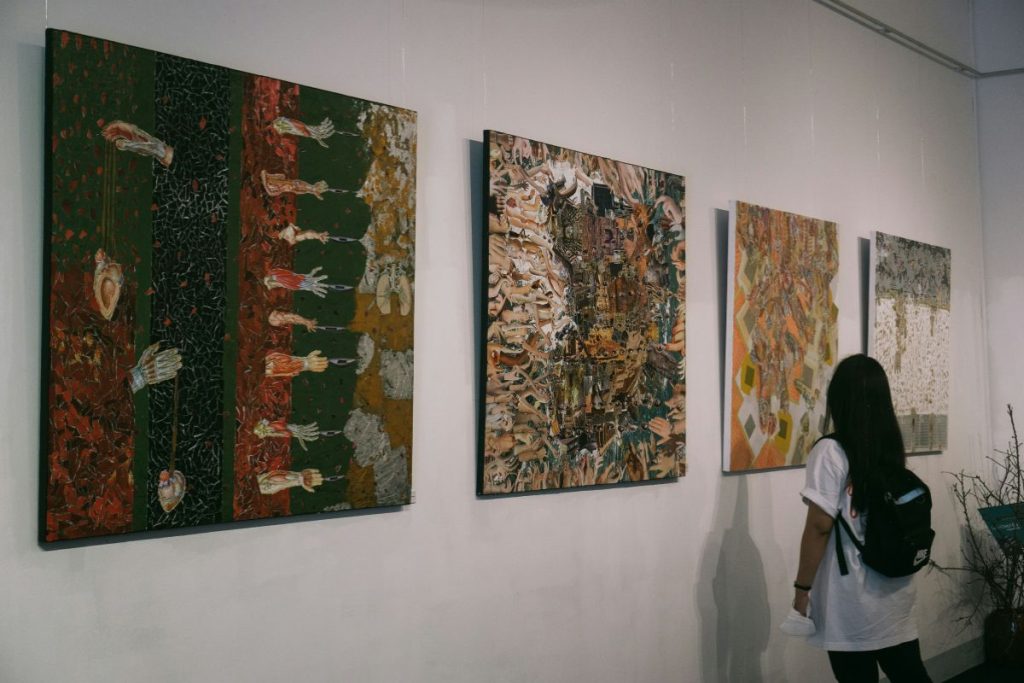
The science behind modern removable wall décor has evolved dramatically, with materials engineers developing adhesive solutions that challenge the traditional trade-off between holding power and removability. Today’s removable poster systems utilize advanced adhesive vinyl and specialized fabric technologies that create strong bonds with wall surfaces while leaving zero residue upon removal. These materials undergo rigorous testing to ensure they perform across various wall textures and paint types commonly found in rental properties.
The technological breakthrough extends beyond basic adhesion. Modern removable solutions incorporate micro-structured adhesives that distribute weight evenly, preventing the sagging and corner lifting that plagued earlier temporary décor options. This engineering advancement means renters can display larger format pieces with confidence, creating focal points that rival permanently mounted artwork.
Temperature and humidity resistance represent another crucial development in removable décor technology. Advanced materials now maintain their adhesive properties across seasonal changes and varying indoor conditions, ensuring that your carefully curated wall arrangements remain intact throughout your lease term while still removing cleanly when it’s time to move.
The evolution of these materials has also embraced sustainability principles, with manufacturers developing eco-friendly alternatives that decompose naturally without compromising performance. These biodegradable adhesive systems appeal to environmentally conscious renters who want to minimize their ecological footprint while maintaining design flexibility.
Strategic placement and design psychology
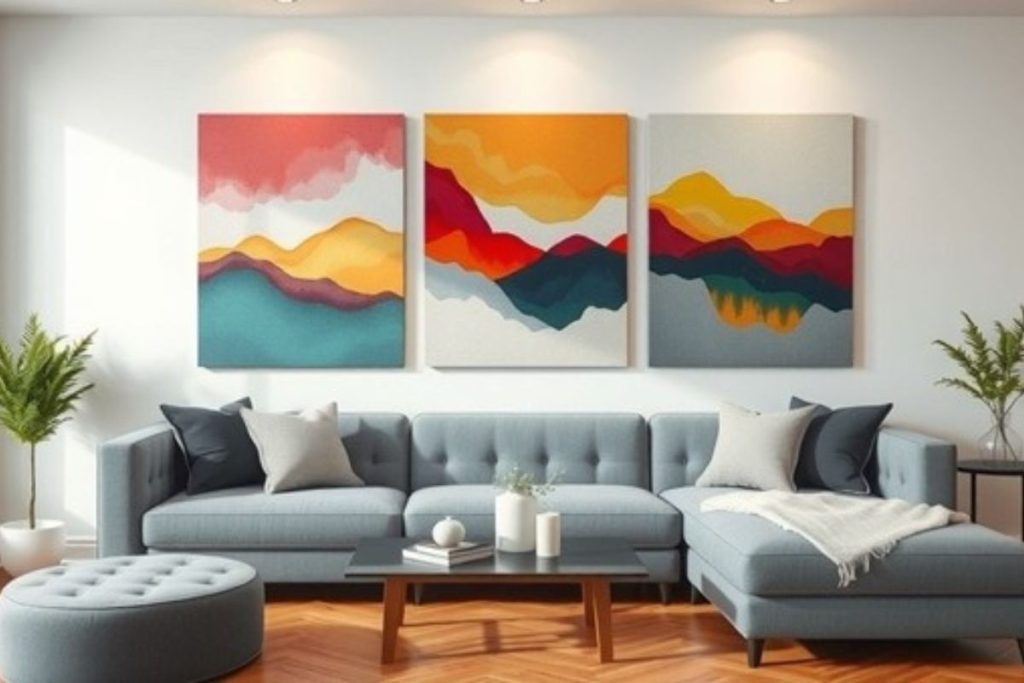
Creating a cohesive, permanent-looking aesthetic with removable elements requires understanding the psychology of space perception. Professional interior designers recommend focusing on creating visual anchors – strategic placement of larger pieces that establish the room’s character and flow. This approach works particularly well in rental properties where architectural features may be limited or generic.
The concept of visual weight distribution becomes crucial when working with removable solutions. Rather than scattering small pieces randomly, successful rental decorating involves creating intentional groupings that guide the eye and establish clear design narratives. This technique tricks the brain into perceiving a more finished, deliberate space even when every element can be removed without tools or damage.
Colour coordination between removable elements and existing fixtures helps bridge the gap between temporary and permanent design elements. By selecting artwork and décor that complements unchangeable features like flooring, built-in fixtures, or window treatments, renters can achieve a custom-designed appearance that feels intentional rather than makeshift.
Lighting considerations play an equally important role in maximizing the impact of removable décor. Strategic placement near natural light sources or complementary artificial lighting can dramatically enhance the perceived quality and permanence of temporary installations, creating depth and dimension that rivals professionally designed spaces.
The economics of flexible living
The financial advantages of removable décor solutions extend far beyond avoiding security deposit deductions. The ability to relocate your entire design scheme eliminates the need to start fresh with each move, representing significant long-term savings for mobile renters. This portability factor has become increasingly valuable as lifestyle changes drive more frequent relocations among young professionals and urban dwellers.
From a landlord’s perspective, tenants who utilize damage-free decorating methods represent lower-risk investments. Properties maintained by renters using removable solutions require less turnover preparation, reducing vacancy periods and maintenance costs. This mutual benefit has led some progressive property managers to actively promote temporary décor solutions as part of their tenant relations strategies.
The growing market for removable wall décor reflects broader economic trends toward access over ownership, with consumers prioritizing flexibility and sustainability over permanent acquisition. Research indicates that rental households now represent 36% of all occupied housing units, highlighting the substantial market for flexible decorating solutions. This shift has created a thriving ecosystem of innovative products designed specifically for the rental market, offering renters unprecedented options for creating personalized spaces without long-term commitments or potential financial penalties.
The subscription-based model has even entered the removable décor space, with services offering rotating artwork collections that allow renters to refresh their spaces seasonally without additional investment. This approach maximizes variety while minimizing storage concerns for mobile lifestyles.
Images courtesy of unsplash.com and pexels.com