The male hormone stereotype about testosterone exists despite its essential function in both sexes. Testosterone affects multiple health features, including the strength of muscles and emotional stability. The natural process of aging causes testosterone levels to decrease in the body. The natural reduction of testosterone in older generations results in perceptible modifications of feelings and functional abilities.
The effects of low testosterone exceed general aging symptoms because Northern Ireland residents are increasingly aware of its health consequences, particularly in relation to testosterone Northern Ireland health trends.
The knowledge about this hormone functions becomes essential for older people who want to enhance their quality of life. The decline of testosterone in the body causes both physical changes through muscle mass reduction and energy depletion and mental changes that affect clarity and mood stability. Hormonal changes may be responsible for your increased tiredness, decreased motivation, and weakened strength. Early identification of these symptoms enables you to start proper health management for better well-being.
Key Functions and Natural Changes
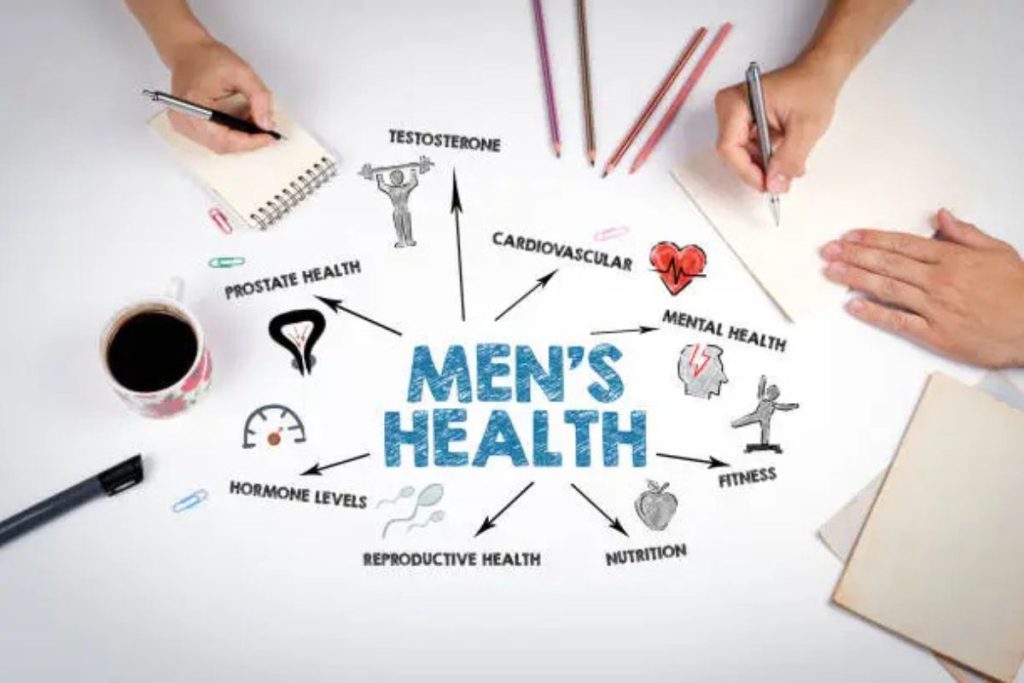
The body needs testosterone to preserve muscle mass and bone density and sexual health functions. The testes manufacture testosterone as the main source for men, and women produce it in their ovaries at lower levels. The development of typical male features, including increased muscle growth and a deep voice, along with facial hair, depends on testosterone. Both sexes benefit from it regarding their healthy mood, cognitive function, and overall energy levels. Your body produces less automatically as you grow older. The human body begins to decrease production at age 30 and this reduction continues into advancing life stages.
The testosterone levels of men decrease by 1% yearly starting from their peak, which occurs during the late teenage years or early twenties. The levels in women decrease rapidly during the period after menopause. The natural decrease of testosterone produces multiple health-related symptoms that affect overall wellness. The symptoms of hormone decline include feeling less energetic, poor muscle strength, and changes in your mood patterns.
The reduction process occurs gradually and many people fail to recognize its development. Your health in older age requires knowledge about the natural changes in this hormone, along with its operating mechanism. Having this information enables you to take smart steps for healthcare management thus reducing risks related to reduced hormone production.
The Impact of Low Testosterone on Physical Health
Muscle Mass and Strength
A reduction in testosterone leads to immediate muscle mass deterioration as one of its primary effects. The hormone directly controls the process of muscle development and supports muscle maintenance. When testosterone decreases in the body, your muscles start shrinking, and your strength diminishes, particularly during physical activities that were once easy to perform. The decline becomes more apparent to men in their 40s and 50s, yet women also experience these symptoms. Posture and balance problems, along with reduced strength, emerge from muscle loss, which creates challenges for performing everyday activities.
Bone Density and Risk of Osteoporosis

The hormone serves as a vital factor for sustaining proper bone density levels. Without sufficient testosterone, your bones become weaker, which raises your chances of getting fractures during your senior years. Older adults above 60 years should be concerned about this situation. Studies indicate that men who have lower levels of this hormone face an increased likelihood of bone fractures, which commonly occur in their spine and hips. After menopause, women face additional risks since their testosterone production naturally decreases. Joint pain and osteoporosis risk factors may indicate that your low testosterone levels contribute to bone health problems.
Energy Levels and Fatigue
Low testosterone levels among older adults typically result in persistent feelings of exhaustion, which affect their daily lives. Your body shows signs of fatigue after light exercise because your energy levels decline. Additionally you lack the motivation to participate in activities which previously brought you pleasure. The hormone regulates energy through its support of red blood cell production that delivers oxygen to the bloodstream. Insufficient hormone amounts create feelings of tiredness and sluggishness, together with a lack of motivation that diminishes your daily quality of life.
Testosterone Replacement Therapy: Benefits and Risks
TRT stands as a widely adopted therapeutic method for people who suffer from testosterone deficiency symptoms in their senior years. The healthcare system in Northern Ireland provides this treatment to patients who require restoration of their energy levels alongside increased muscle mass and improved overall wellness. The treatment comes with advantages but patients need to evaluate its potential negative side effects. The following information explains what you need to understand.
Benefits of Testosterone Therapy
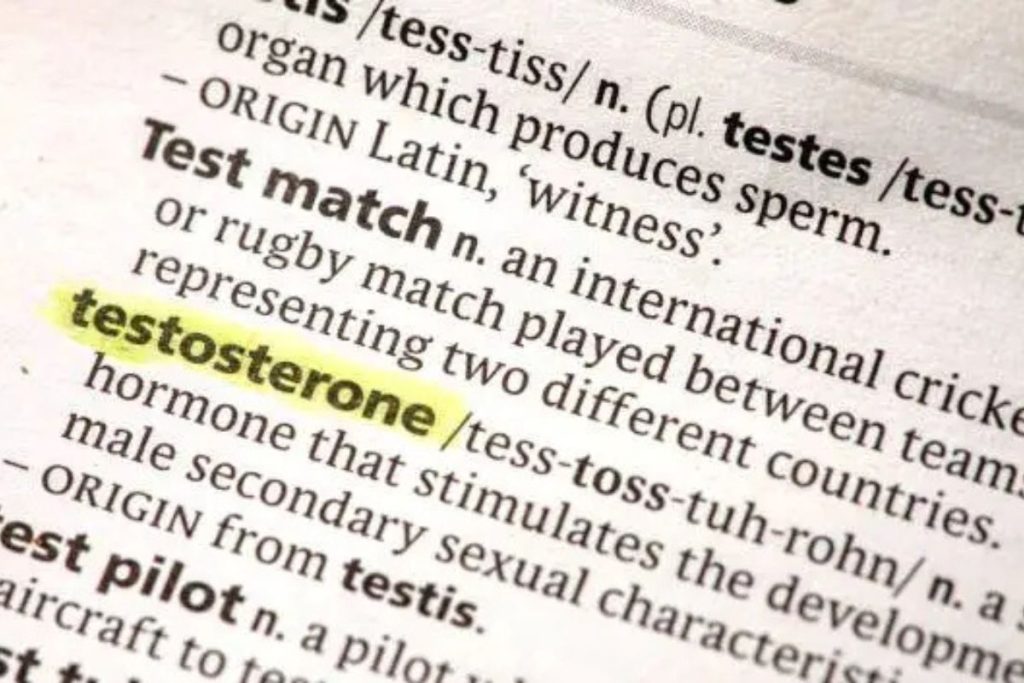
- People who begin testosterone therapy commonly experience increased energy together with decreased fatigue symptoms.
- The therapy enables patients to recover lost muscle tissue, which results in enhanced strength and better functional abilities.
- Most people who start this treatment notice their mood improves while their irritability decreases and their focus becomes sharper.
- The major noticeable effect of testosterone therapy includes elevated sexual desire because testosterone levels naturally decrease with aging.
- Medical therapy helps preserve bone density, thus reducing the chances of osteoporosis-related fractures.
- The sleep quality of certain patients improves because low testosterone levels often cause sleep disturbances.
Risks of Testosterone Therapy
The therapeutic use of testosterone provides various advantages to patients, although it brings forth possible negative effects. Prostate health stands as one of the main issues patients face with this treatment. Several research studies show that testosterone therapy might enhance the growth of prostate cancer cells, yet additional scientific investigation is required to confirm this connection.
Another risk is sleep apnoea. Sleep apnoea can develop as a result of therapy, which interrupts breathing during sleep and produces poorer sleep quality, together with additional health issues. Testosterone therapy often leads to skin reactions appearing on patients. The application of testosterone gel or injection site may cause skin reactions, including redness and acne, together with skin irritation for certain patients.
The use of testosterone therapy carries risks that affect the cardiovascular system. The research shows mixed results about heart attack and stroke risks from long-term therapy use, so heart health needs monitoring throughout therapy.
When Should Older Adults in Northern Ireland Consider Testosterone Therapy?
Many people in Northern Ireland experience symptoms of fatigue, muscle loss, and reduced libido after their testosterone levels decrease naturally with age. These alterations during the aging process appear naturally. However, they interrupt a senior’s daily routine. Consult your doctor about therapy if you show signs of low testosterone and these symptoms affect your daily life.
To begin your therapy, your healthcare provider first performs blood tests to check your levels. Seek medical intervention when your symptoms create problems with how well you function in life. Therapy provides benefits to patients experiencing ongoing fatigue, muscle weakness, and mental fog because it helps address these problems. Patients who notice either a drop in their sexual desire or changes in their mood can potentially benefit from receiving proper treatment. Seeking professional guidance becomes vital when deciding on treatment because it helps you determine whether this step aligns with your healthcare needs.
Lifestyle Changes to Complement Therapy

Testosterone replacement therapy provides essential benefits, yet patients should adopt lifestyle modifications as an essential complementary approach to their treatment. Physical exercise with an emphasis on strength training helps patients gain more benefits through its ability to rebuild muscles while improving energy levels. Eating foods that contain protein with vitamins and healthy dietary fats helps naturally raise testosterone levels in the body. Your health should benefit from this treatment method, which unites therapeutic procedures with self-care practices to deliver extended advantages as you grow older.
Healthcare requires multiple interventions to achieve proper wellness. Balancing your life with practices that help your body function naturally remains the key to supporting overall health. Testosterone therapy should not prevent you from maintaining your physical activity and nutrition, along with proper rest. Small modifications in your daily routine will significantly impact your health at the present time as well as in future years.
Images courtesy of unsplash.com and pexels.com