Eco-friendly waste disposal has become increasingly important in today’s environmentally conscious society. Many individuals and businesses are searching for sustainable methods to manage waste effectively. Skip hire is a smart choice because it simplifies the disposal process while ensuring that waste is handled responsibly and recycled whenever possible.
Choosing skip hire not only aids in effective waste management but also significantly reduces the carbon footprint associated with disposal. This method allows for larger volumes of waste to be collected and sorted efficiently, minimizing the chances of materials ending up in landfills. Environmental benefits, such as waste reduction and increased recycling rates, contribute to a healthier planet.
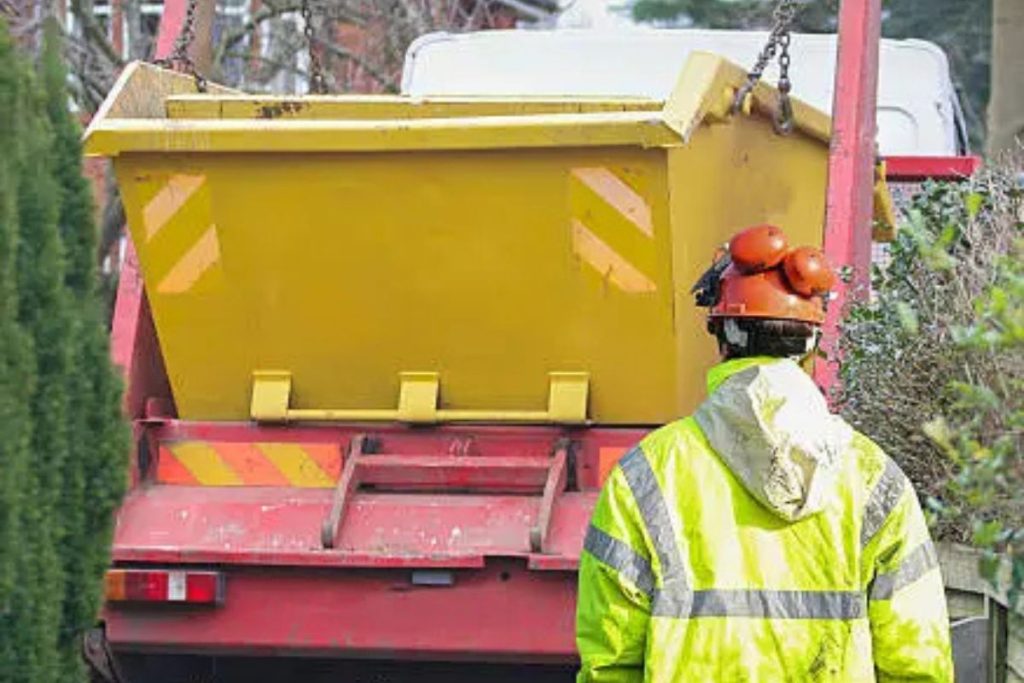
By opting for a skip, individuals take a proactive step toward sustainability. It supports local recycling initiatives and compliance with waste disposal regulations. Understanding the advantages of this approach encourages a shift toward more responsible waste management practices that benefit everyone.
The Environmental Benefits of Skip Hire
Skip hire provides several environmental advantages that contribute to more sustainable waste management practices. By utilizing these services, individuals and businesses can reduce landfill waste, ensure proper sorting and recycling, and conserve valuable resources.
Reduction of Landfill Waste
Skip hire significantly reduces the amount of waste that ends up in landfills. When waste is collected and transported using a skip, it is often sorted at a designated facility. This process minimizes the volume of rubbish disposed of in landfills by diverting reusable and recyclable materials.
Many skip hire companies are committed to environmentally friendly practices. They work to divert at least 90% of the waste collected from landfills. By managing waste responsibly, skip hire helps address the growing issue of landfill overcapacity and its associated environmental risks.
Proper Sorting and Recycling
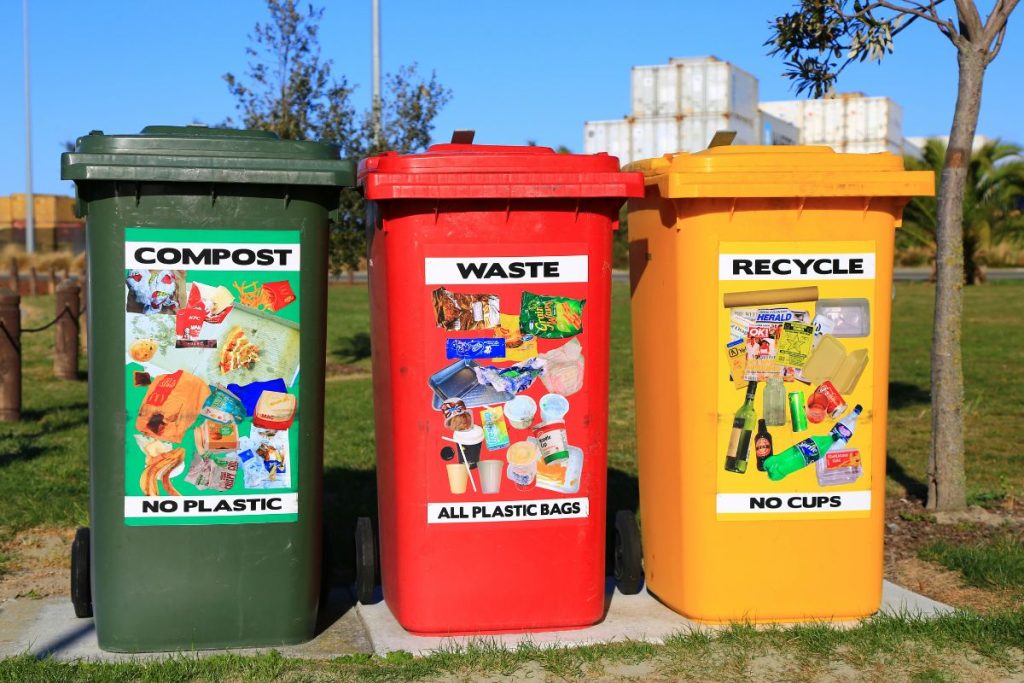
Skip hire services typically incorporate advanced waste sorting methods. Once waste is collected, it is taken to a specialized facility where it undergoes careful sorting. This process separates recyclable materials, such as metals, plastics, and paper, from general waste.
The thoughtful sorting ensures that significant quantities of materials are recycled instead of being discarded. This method reduces the need for virgin materials, thus decreasing pollution and energy consumption associated with new products. Effective recycling processes supported by skip hire lead to more sustainable waste management.
Conservation of Resources
Using a skip contributes to resource conservation. By facilitating the recycling of materials, bin hire cranbourne reduces the demand for new raw materials. This reduces environmental impact resulting from resource extraction, manufacturing, and transport processes.
Moreover, recycling materials requires less energy than producing new products. For example, recycling aluminum saves about 95% of the energy compared to creating new aluminum from raw ore. By promoting recycling, skip hire not only helps conserve resources but also lowers carbon emissions associated with production.
Cost-Effectiveness and Convenience
Skip hire offers a practical solution for waste management, combining affordability with ease of use. This section explores how skip hire compares to traditional disposal methods and highlights the time-saving advantages of these services.
Comparing Skip Hire to Traditional Disposal Methods
Skip hire is often more cost-effective than traditional waste disposal methods. With traditional options, costs can escalate due to multiple trips to the disposal site or the need for specialized vehicles. In contrast, hiring a skip provides a fixed price, covering transportation and disposal in one fee.
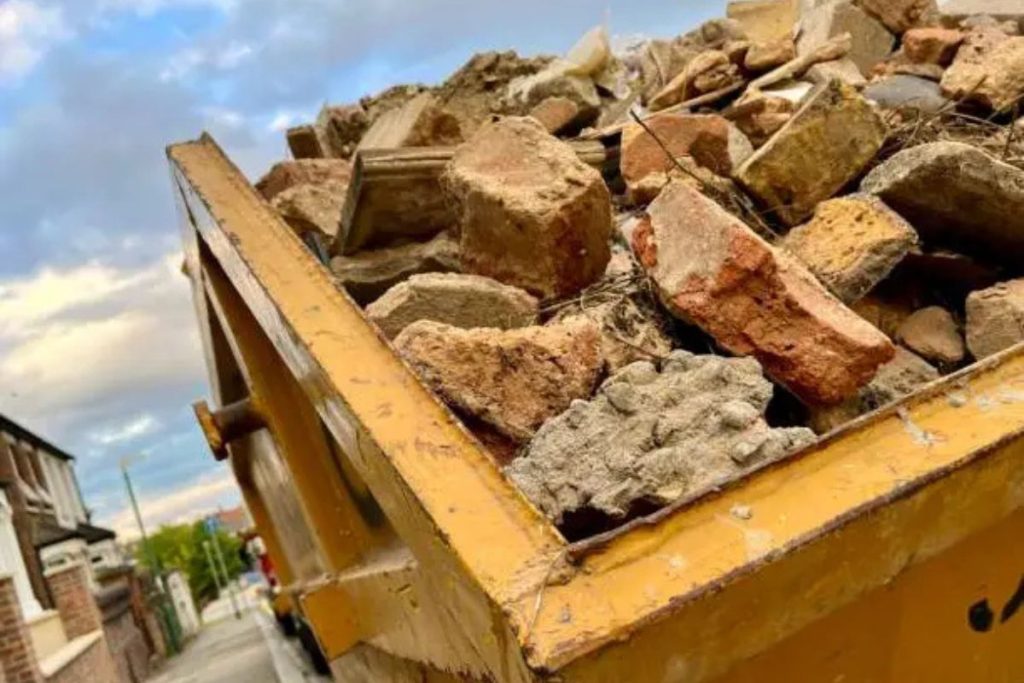
Factors affecting cost include:
- Type and amount of waste: Different materials may incur varying disposal fees.
- Skip size: Skips come in various sizes, allowing users to choose one that fits their specific needs, avoiding unnecessary expenses.
This fixed pricing structure can lead to significant savings, particularly during large projects. Furthermore, using a skip eliminates the hassle of sorting and transporting waste individually.
Time-Saving Aspects of Skip Hire Services
Convenience is a major benefit of hiring a skip, saving users valuable time. Traditional waste disposal often requires extensive planning, including organizing pickups and transportation. With skip hire, delivery and collection are scheduled by the service provider, reducing logistical complexities.
Key time-saving benefits include:
- Single point of contact: All waste is managed through one service, streamlining the process.
- Flexible hire periods: Clients can choose how long they need the skip, accommodating varying project timelines.
This efficient approach allows individuals and businesses to focus on their projects instead of worrying about waste disposal logistics. Overall, skip hire simplifies the waste management process while keeping costs manageable.
Understanding Skip Hire Regulations
Skip hire involves adhering to specific regulations that ensure responsible waste management. These regulations cover various practical aspects, including permit requirements and the correct placement of skips.
Permit Requirements
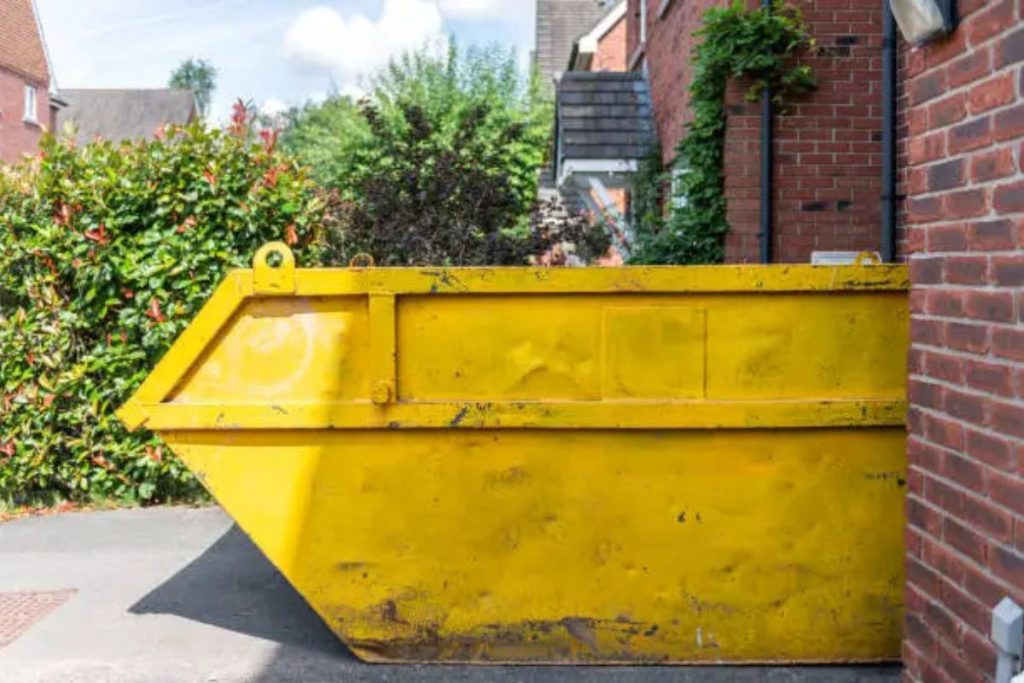
Depending on the location and size of the skip, permits may be necessary. If the skip will be placed on public property, such as a road or pavement, the local council must grant a permit.
Key points about permits:
- Application Process: Typically requires a completed form and payment of a fee.
- Duration: Permits often have an expiration date, usually lasting from 1 to 4 weeks.
- Compliance: Non-compliance can result in fines or removal of the skip by local authorities.
It’s essential for individuals to check with local regulations beforehand to ensure that they can obtain the appropriate permits without complications.
Size and Placement Considerations
Choosing the right size skip and its placement is crucial for convenience and compliance. Skips come in various sizes, ranging from mini skips for small projects to larger options for extensive renovations.
Placement guidelines include:
- Traffic Flow: Ensure that the skip does not obstruct pedestrian or vehicle movement.
- Accessibility: Place skips where waste can be easily loaded without excessive lifting or maneuvering.
- Local Regulations: Different councils may have specific rules about the minimum distance from roads or properties.
By considering size and placement, individuals can optimize waste disposal while adhering to regulations. This approach minimizes disruptions and maximizes efficiency.
Images courtesy of unsplash.com, freepix.com and pexels.com