In the world of food choices, eggs hold a special place: they are versatile and provide nutrition in countless recipes, from breakfasts to desserts.
However, know that not all eggs are equal. With increasing awareness of food quality and animal welfare, more consumers are considering the source of their eggs. Read on to learn more.
What Are Free-Range Eggs?
Free-range eggs come from hens that are given access to the outdoors, allowing them to roam freely instead of being confined to cages or small enclosures. The exact definition of “free-range” can vary depending on country regulations, but generally, free-range hens have:
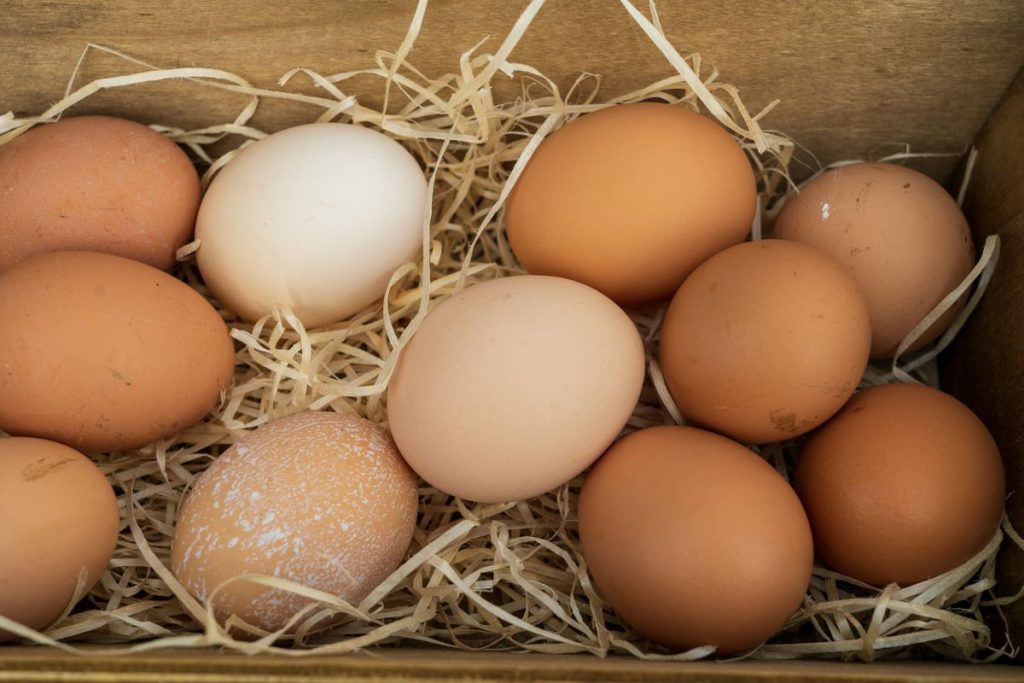
- Outdoor access: Hens must have access to outdoor areas for a certain period each day.
- More space: They are not confined to cages, though the amount of space varies.
- Better welfare: They can engage in more natural behaviors compared to caged hens.
Some free-range eggs may also be organic, meaning the hens are fed organic feed without synthetic pesticides or antibiotics.
The Nutritional Advantages of Free-Range Eggs
Primarily sourced from smaller farms, free-range eggs offer better nutritional profiles compared to conventional factory-farmed eggs. Studies show that these eggs typically contain higher levels of omega-3 fatty acids, vitamins A and E, and antioxidants like lutein and zeaxanthin. This nutrient density translates into numerous health advantages, including improved eye health and lower inflammation levels. The diet of free-range hens, which includes natural foraging, contributes immensely to the nutritional content of their eggs.

The practices associated with small farms often prioritize natural feeding methods so that hens consume a diverse and wholesome diet. Hens raised in these environments tend to produce eggs rich in essential nutrients that promote better heart health and cognitive function. Opt for barn laid eggs to enjoy more nutritious offerings and support local farmers simultaneously. In contrast, store-bought eggs are not as rich in nutrients as those sourced from farmers.
Animal Welfare and Ethical Considerations
Consumer awareness has surged regarding animal welfare, prompting a strong preference for ethically sourced products. Free-range hens can roam outside and enjoy natural behaviours such as scratching, pecking, and dust-bathing. Believe it or not, this lifestyle enhances their well-being and results in eggs that are higher in quality. Industrial farming often confines hens in crowded cages with minimal movement, which may cause poor health and high stress levels.
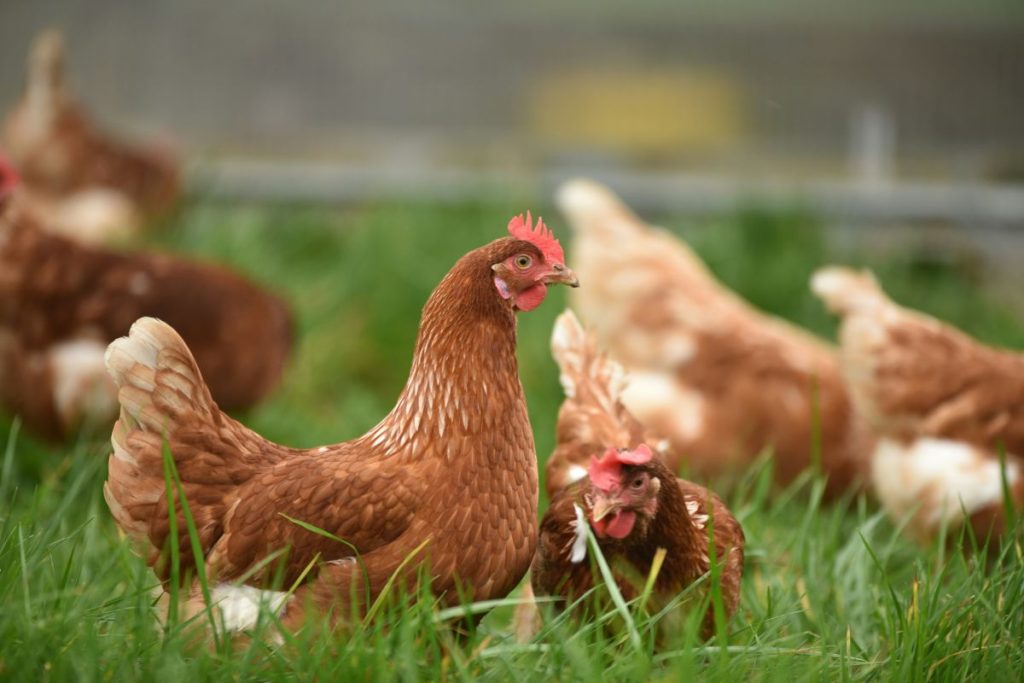
In contrast, small farms that provide free-range environments create a more humane habitat for hens.
Such practices align with ethical consumption and emphasize the importance of animals being treated with dignity. By choosing free-range eggs, consumers can promote a model of agriculture that respects both animal welfare and environmental sustainability. It’s a choice that reflects broader values around health, ethics, and community support.
The Environmental Impact of Small Farms
Beyond personal health and animal welfare, small farms contribute positively to the environment. These farms typically employ sustainable practices that foster biodiversity and decrease pollutant runoff. Small-scale agriculture generally tends to use fewer harmful chemicals and pesticides, resulting in less environmental degradation. Integrating livestock with crop production can also enhance soil health and nutrient cycling.
Industrial egg production heavily relies on monoculture crops, which notably cause soil depletion and adverse climate effects. Supporting small farms means reducing their ecological footprint and encouraging more environmentally friendly farming methods. Investing in free-range, small-farm eggs fosters a healthier planet for future generations.
Flavour and Culinary Versatility
Free-range eggs also come with increased freshness and better flavour. Small farms often sell directly to consumers, leading to fresher eggs than mass-produced varieties. The taste difference is perceptible in various dishes, from simple scrambled eggs to complex soufflés. Many chefs emphasize sourcing local, free-range eggs to enhance the flavour profiles of their culinary creations.

The richer feeding habits of hens on small farms also influence the egg’s flavour and result in a superior culinary experience. Dishes made with fresh, high-quality eggs burst with flavour and texture, elevating your meals. As more people purchase free-range eggs for cooking and baking, they can see the difference in flavour in their dishes.
The Economic Benefits of Supporting Local Farms
While the initial cost of free-range eggs from small farms may be higher, the overall benefits can outweigh the expenses. When purchasing from local farmers, consumers contribute to the local economy, promoting jobs and sustainable practices. Local farms also tend to provide fresher products and reduce transportation emissions, which both benefit climate change and the planet as a whole.
Supporting small farms can foster connections within the community and create opportunities for educational outreach about healthy living and sustainable practices. Consumers who decide to invest in local agriculture often develop relationships with growers, gaining insights into food production and quality. This connection fosters community and leads to a greater appreciation for the food on our tables.
Practical Tips for Choosing Eggs Wisely
When shopping for eggs, labels can guide consumer choices, but they can also confuse. Look for terms such as “free-range,” “organic,” and “pasture-raised” to ensure you’re selecting high-quality products. Researching local farms that practice ethical egg production can also prove beneficial, especially in fresh markets or community-supported agriculture (CSA) programs.

Engaging with these farmers may help you discover the freshest eggs available. In supermarkets, be wary of generic brands that may not deliver the quality promised in their packaging. Opting for well-known brands that prioritize animal welfare often results in better-tasting and more nutritious eggs. Make better choices and choose your eggs wisely — you will gain better nutrition and encourage improved farming practices.
The Importance of Community Engagement
Engaging with local producers fosters a larger conversation about food production and sustainability. Participation in community discussions, farmers’ markets, and workshops can all enhance understanding of agricultural practices. Learning from those who produce your food can deepen appreciation and inspire healthier food choices.
Community-supported agriculture initiatives provide regular access to fresh, ethically produced products while also funding local farms. This reinforces consumer commitment to local agriculture and can improve customer relationships with farmers. Actively participating in the food system creates a ripple effect, promoting a healthier, more sustainable food culture.
Choosing free-range, small-farm eggs offers numerous health benefits and promotes ethical farming, environmental sustainability, and rich culinary experiences. Emphasizing the importance of informed purchasing decisions can lead to a healthier lifestyle. Supporting local agriculture is not merely a trend but a commitment to a sustainable future.
Images courtesy of unsplash.com and pexels.com