For many of us, not going to the optician when we know we should is a side effect of tiredness, time constraints and even laziness. However, around a quarter of the country lives with a disability, with almost half of them reporting their primary issue to be mobility-based.
These people don’t have the luxury of just missing appointments willy-nilly when they need a check-up, and that’s not to mention elderly citizens and other people who might struggle to get out of the house. That’s where home eye testing comes in.
Eye test home visits are a great way for people to check in on their ocular health when going to the optician isn’t a viable option. This piece highlights the people who benefit the most from home eye testing, showing just how important these mobile services are.
The elderly

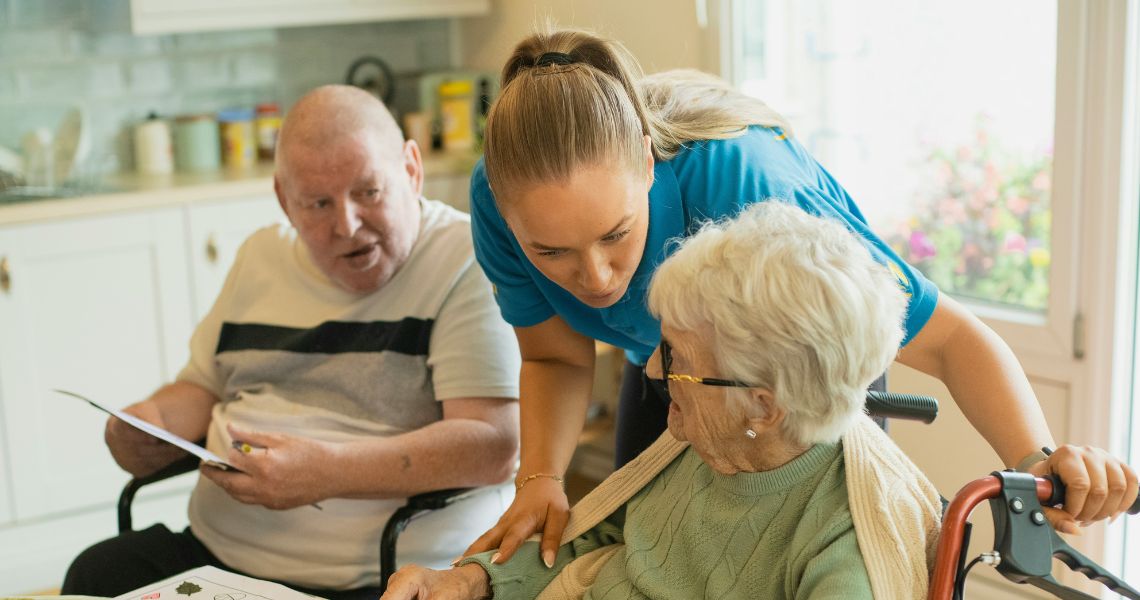
Home eye tests for the elderly do wonders for our golden generation. Plenty of elderly people are perfectly capable of looking after themselves, however, movement and exertion generally take more of a toll on them. It’s also worth noting that while the pandemic has significantly slowed down, the threat of COVID-19 is significantly more profound for older citizens. These realities illustrate the clear benefits of eye tests at home for the elderly.
Mobility challenged people
As stated before, there are millions of mobility-challenged people all over the country, for countless reasons including:
- Arthritis
- Injuries
- Muscle disorders
- Obesity
- Bone density issues (osteoporosis)
- And many more conditions
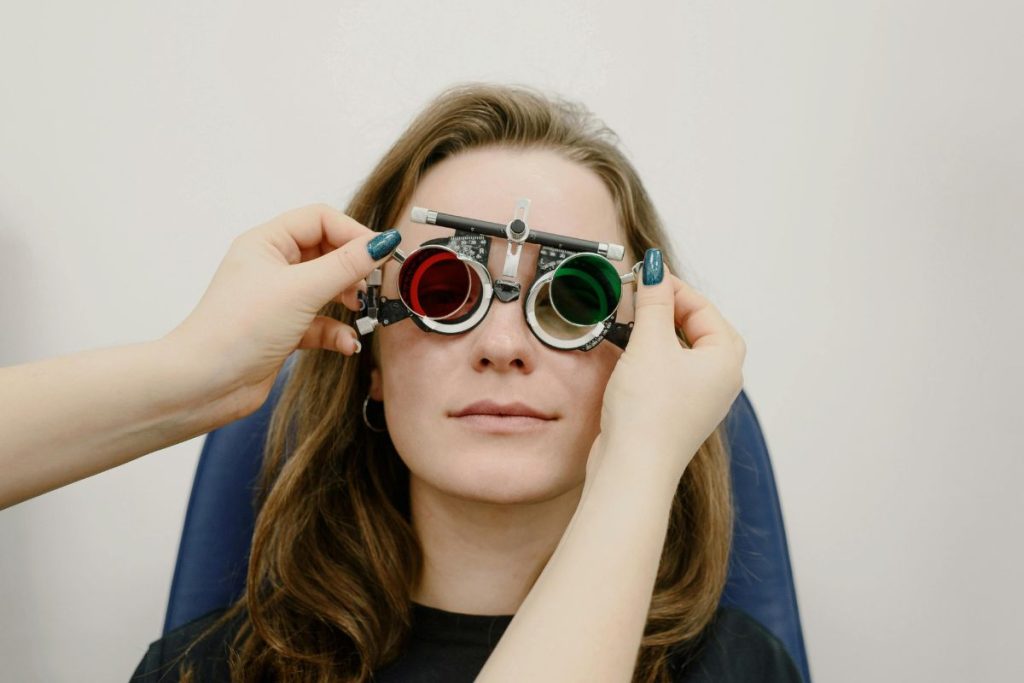
Of course, accessibility is on the rise in the UK, however, not all mobility issues are the same. Some people might use wheelchairs while others use crutches and so on, which is why a mobile eye test that visits the home can significantly reduce the burden on the mobility-challenged community. People can get updates on their eye health without the physical burden of leaving the house.
People with mental & cognitive conditions
Various mental and cognitive conditions can massively impact people’s ability to visit the optician. Living with mental or cognitive impairments can have huge physical complications, while also significantly affecting general independence.
Some conditions that could easily get in the way of an optician visit include:
Dementia. It’s unsafe for people with dementia to make their way around crowded areas.
Depression/anxiety. Psychological conditions like these can impair social interaction and impulse control among other things
ASD conditions. Autism and similar cognitive conditions can make things like appointments and public spaces very stressful.
These are just some of the mental and cognitive conditions that necessitate home eye testing – a lower-pressure, more supportive way to check on ocular health – for millions of people in the UK.
The immunocompromised
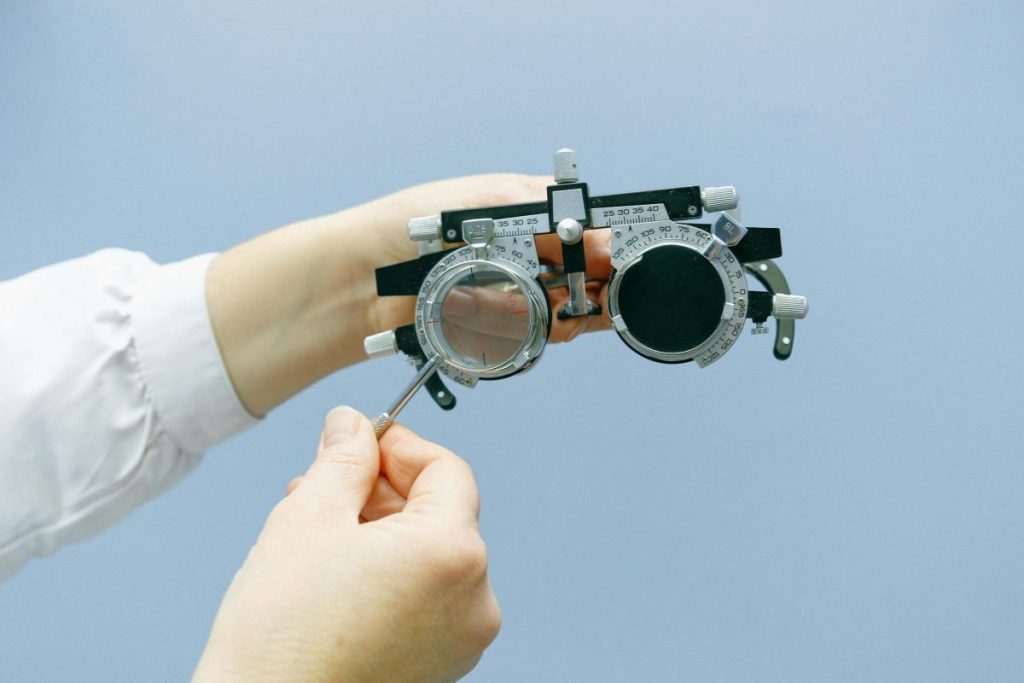
Millions of people in the country are immunocompromised for many reasons. People like lifelong smokers, those suffering with chronic conditions, people with cancer (going through chemotherapy), those with HIV or those lacking organs can all be at significant risk of contracting illnesses when leaving the house. Of course, these people could all benefit from the more private, less exposed experience of home eye testing.
Booking home eye testing
If you’re a caregiver, it’s important to book a home eye test for elderly, immunocompromised, less mobile or psychologically affected people in your life. In many cases, conditions or being elderly will also provide eligibility for NHS supplementation, making eye tests free. Don’t let these challenges stand in the way of maintaining good eye health for yourself or your loved ones.
Images courtesy of unsplash.com and pexels.com