

The opioid crisis has gripped the United States, claiming countless lives and leaving a lasting impact on families and communities over the past decade. Based on a March 2021 brief from the NCHS or the National Center for Health Statistics, drug overdose death rates showed continuous growth in both rural and urban areas, with higher rates of overdose deaths in rural areas than in urban locations.
This public health opioid crisis in the United States has underscored the pressing necessity for novel therapies and approaches.
Prescription opioids, initially intended to manage pain, have often led to opioid use disorder, fuelling an epidemic that requires a multifaceted approach to combat effectively. With combined efforts from the government and health experts, there’s hope for lasting recovery and a brighter future for those affected by the opioid epidemic.
This article explores nine innovative treatments that can effectively address the opioid crisis. Continue reading to learn more.
1. Comprehensive Recovery Programmes


Addressing the opioid epidemic requires a holistic approach that integrates medical, behavioural, and social support. For instance, facilities like San Diego addiction recovery centres specialize in delivering comprehensive services that tackle opioid addiction from multiple angles. These programmes combine opioid addiction treatment, behavioural therapy, and mental health services to address both substance use disorder and the underlying issues driving opioid misuse.
Comprehensive recovery services also provide essential recovery support services, including peer counselling and life skills training. These initiatives help individuals rebuild their lives and reduce the risk of relapse, fostering an environment for long-term success.
2. Medication-Assisted Treatment (MAT)
Medication-assisted treatment (MAT) combines medications, counselling, and behavioural therapies. The medicines help manage withdrawal symptoms, reduce cravings, and block the euphoric effects of opioids. It’s administered under the supervision of healthcare providers, ensuring safety and effectiveness throughout the recovery process.
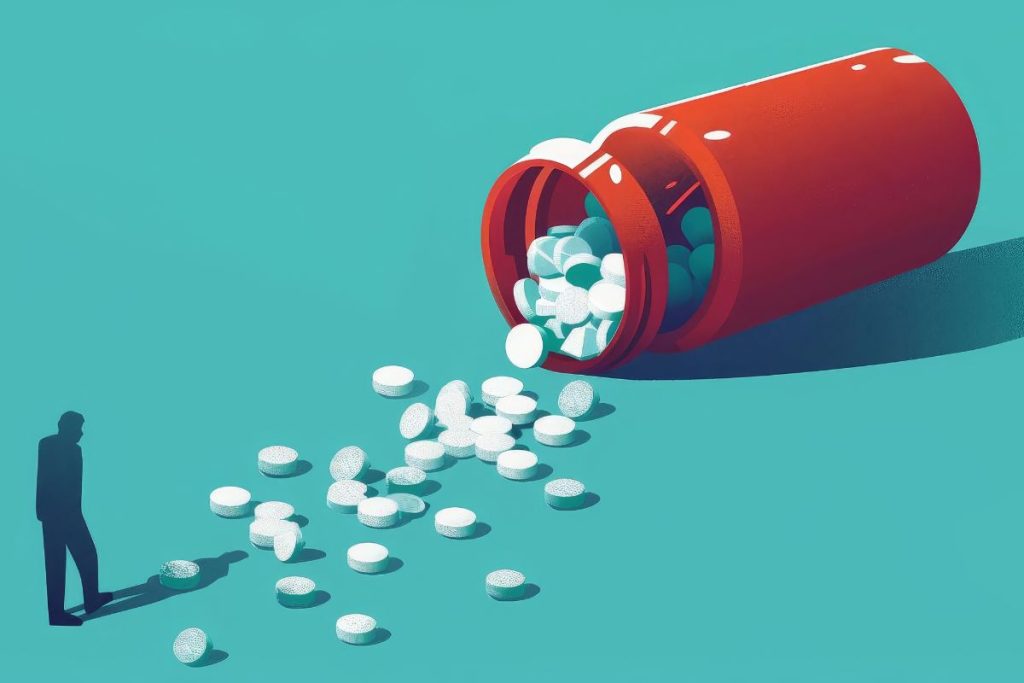
Aside from medications, counselling, and behavioural therapy are integral parts of MAT, addressing the emotional and mental health challenges that often accompany addiction. This comprehensive strategy equips patients with the necessary resources to address their addiction and reconstruct their lives.
MAT is highly effective in reducing opioid misuse and preventing relapses and overdose deaths. For many, MAT is a transformative step in achieving lasting recovery and regaining control over their future.
3. Prescription Drug Monitoring Programmes (PDMPs)
Prescription drug monitoring programmes (PDMPs) are an essential strategy in opioid overdose prevention. These systems track opioid prescriptions and provide healthcare providers with insights into patients’ medication histories, helping to identify potential opioid misuse.
Before prescribing or dispensing opioids, providers can check a patient’s prescription history to ensure there’s no evidence of misuse or overlapping prescriptions. This allows them to make informed decisions about prescribing opioids and identify when alternative treatments may be more appropriate. Aside from this, PDMPs also serve as a tool for detecting large-scale patterns of prescription drug abuse, helping public health officials address the opioid epidemic more effectively.
In addition to improving prescribing practices, PDMPs are integral to shaping health policy by providing data-driven insights into the opioid crisis. They help policymakers identify trends in opioid prescriptions and misuse, guiding interventions to address substance use disorders on a larger scale.
When combined with public health initiatives, PDMPs ensure a more coordinated approach to combating the opioid epidemic while maintaining access to necessary pain management for patients in need.
4. Harm Reduction Strategies and Naloxone Distribution
Harm reduction strategies aim to minimize the adverse effects of opioid misuse without requiring individuals to stop using immediately. These strategies focus on saving lives and improving health by providing access to resources like clean needles, safe consumption sites, and education about safer drug use. One of the most effective tools in harm reduction is naloxone, a lifesaving medication that can reverse opioid overdoses when administered promptly. By making naloxone widely available to at-risk individuals and their communities, these programs help reduce overdose deaths and create opportunities for recovery.
Harm reduction programmes offer practical solutions to reduce risks associated with opioid misuse. For instance, programs like needle exchanges reduce the spread of infectious diseases, while safe consumption sites provide supervised spaces to prevent fatal overdoses. These efforts not only save lives but also connect individuals with recovery services and support networks when they are ready to seek help.
Harm reduction strategies focus on prevention and immediate intervention and prioritize public health and human services. These factors help those struggling with addiction gain access to lifesaving resources without judgment or barriers. Naloxone distribution alone has saved countless lives by giving people a second chance to seek treatment and recovery. Together, these programmes offer a compassionate and practical approach to reducing harm, preventing deaths, and opening pathways to long-term solutions.
5. Behavioural Therapy and Mental Health Integration
Behavioural therapy is a cornerstone of effective opioid addiction treatment, addressing the underlying psychological factors that contribute to substance use disorders. Therapies like Cognitive-Behavioural Therapy (CBT) and Motivational Interviewing (MI) help individuals recognize and change harmful thought patterns and behaviours associated with opioid misuse. These therapies teach coping strategies, stress management, and decision-making skills, empowering individuals to resist cravings and triggers. When combined with opioid addiction treatment, behavioural therapy fosters long-term recovery by addressing both the mental and emotional aspects of addiction.

Integrating mental health services into addiction treatment is essential, as many individuals struggling with opioid use disorder also experience co-occurring conditions like depression, anxiety, or PTSD. By treating mental health issues alongside addiction, patients can receive adequate care that addresses the problems at their root cause. This dual approach reduces the likelihood of relapse by ensuring individuals have the tools and support needed to manage their emotional well-being. Moreover, access to mental health care promotes healthier relationships and overall quality of life, strengthening the foundation for lasting recovery.
Behavioural therapy and mental health integration can also help address the stigma associated with addiction. By treating opioid addiction as a health condition rather than a moral failing, these approaches encourage individuals to seek help when they need it the most. Programmes that incorporate both behavioural therapy and mental health care create a safe space where individuals can explore their challenges, set recovery goals, and build resilience. When paired with other treatment methods, such as medication-assisted treatment, these therapies provide a holistic path to overcoming addiction and rebuilding one’s life.
6. Community-Based Recovery Support
Recovery is often a journey best navigated with the support of others. Community-based recovery programmes offer peer counselling, support groups, and local resources to create a strong network for individuals in recovery. These services emphasize accountability, encouragement, and shared experiences, all of which are essential for sustained recovery.
Public health initiatives and human services organizations are working to expand access to these programmes, ensuring more people can recover from addiction in a supportive and nurturing environment.
7. Opioid Substitution Therapy
Opioid Substitution Therapy (OST) is a medical approach to treating opioid addiction by replacing harmful opioids, like heroin or certain prescription drugs, with safer, doctor-prescribed medications such as methadone or buprenorphine. These medications mimic the effects of opioids in a controlled way, helping to reduce cravings and prevent painful withdrawal symptoms. Unlike illicit drugs, the medicines used in OST are carefully monitored by healthcare providers, ensuring safety and effectiveness. OST allows individuals to stabilize their lives, focus on recovery, and avoid the risks associated with street drugs, like overdose or infectious diseases.
A healthcare provider starts OST by evaluating the person to figure out the best medication and dosage that fits their specific needs. Once treatment begins, the drug is administered regularly to prevent withdrawal and cravings, creating a stable foundation for recovery. In many cases, OST is combined with counselling, behavioural therapy, or group support to address the emotional and mental health aspects of addiction. Over time, this integrated approach helps individuals regain control of their lives, focus on personal goals, and work toward long-term sobriety.
OST plays a vital role in combating the opioid crisis by offering a safer alternative to dangerous street drugs and reducing the risk of overdose deaths. By addressing the physical symptoms of addiction and supporting emotional well-being, OST helps individuals transition from dependency to recovery. It also helps limit the spread of infectious diseases like HIV and hepatitis, which are commonly linked to using injection drugs. For many, OST is not just a treatment but a lifeline, giving them hope and stability to rebuild their lives after opioid addiction.
8. Education and Public Awareness Campaigns
Preventing opioid misuse starts with education. Public awareness campaigns highlight the dangers of opioid abuse and provide information on how to recognize and respond to an overdose. These campaigns also educate people about safe practices for managing prescription opioids and the importance of seeking help early.
Healthcare providers, educators, and community leaders collaborate to deliver these messages, making education a cornerstone of opioid misuse prevention efforts. By raising awareness, these campaigns empower individuals and communities to take proactive steps in combating the opioid crisis.
9. Expanded Access to Telehealth Services
Telehealth services have revolutionized access to opioid addiction treatment, especially for individuals in rural or underserved areas. Virtual consultations with health care providers allow patients to receive behavioural therapy, medication management, and other recovery support services without the barriers of distance or transportation.
Conclusion
The opioid crisis is still a pertinent issue, but new treatment options are offering hope and recovery for those impacted. Through solutions like comprehensive recovery programs, medication-assisted treatment, harm reduction strategies, and expanded access to telehealth, individuals can achieve lasting recovery.
By prioritizing public health, integrating mental health services, and implementing effective opioid addiction treatment strategies, everyone can turn the tide on this epidemic and build a future free from the devastating effects of opioid misuse.
Some images supplied. Some images courtesy of unsplash.com and pexels.com











1 thought on “Opioid Crisis Solutions: 9 Innovative Treatments for Lasting Recovery”
Comments are closed.