As we navigate through life, the topic of how we say goodbye to our loved ones often weighs heavily on our hearts. With a growing awareness of our environmental responsibilities, many people are turning to natural burials—not just as a personal choice but as a way to make a positive impact on the planet.
Let’s explore how natural burials contribute to protecting and restoring natural habitats, making them an eco-friendly alternative to traditional burial practices.
What Is a Natural Burial?
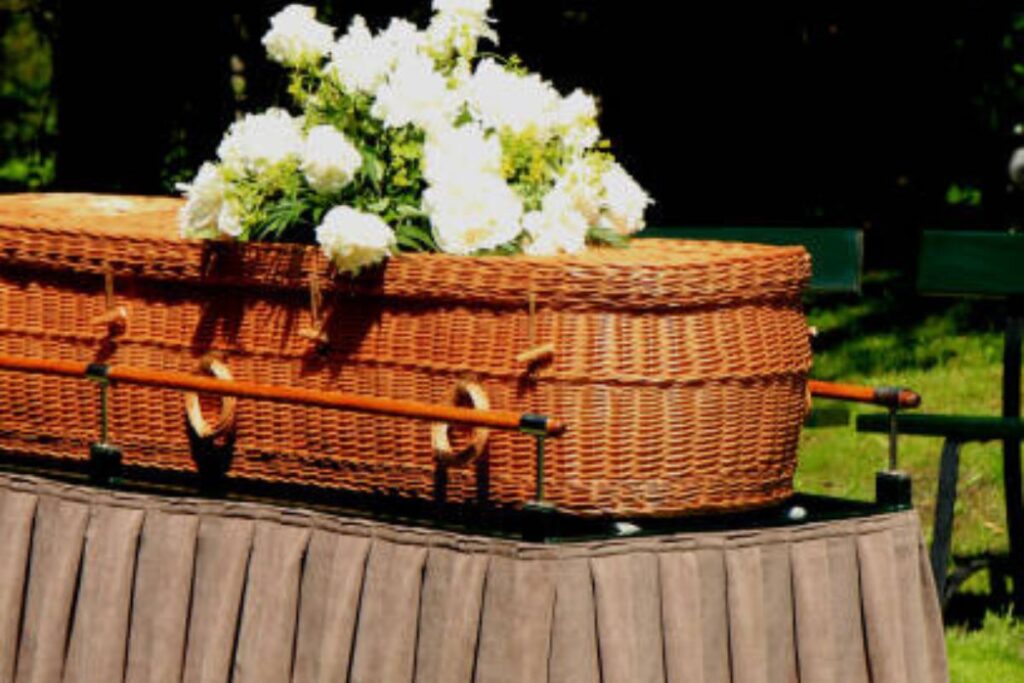
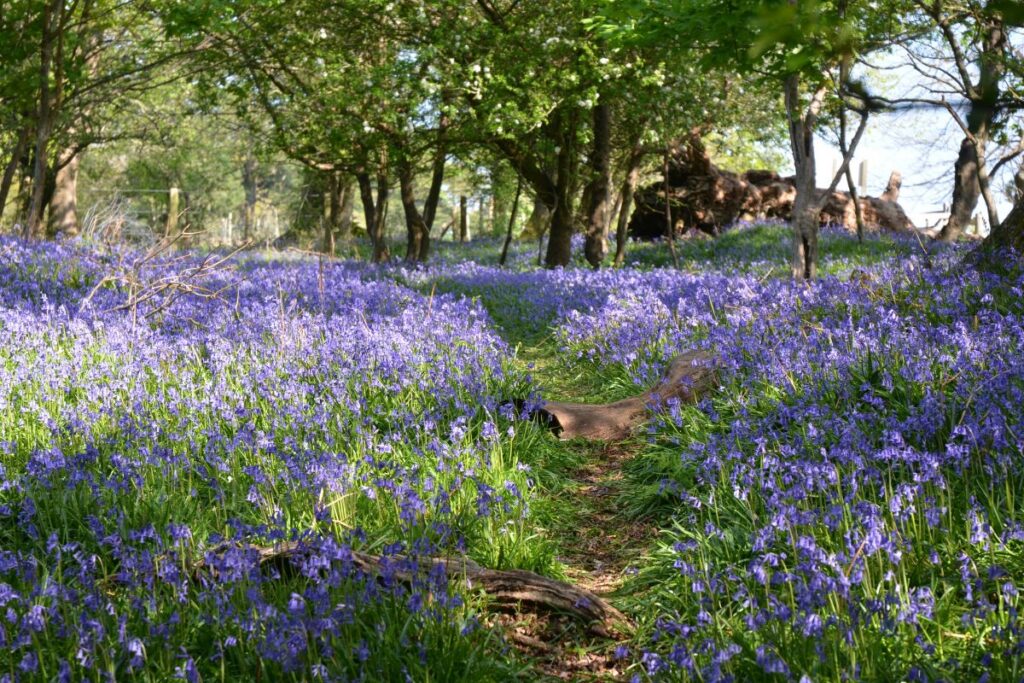
A natural burial is an environmentally friendly way to lay a loved one to rest, focusing on simplicity and sustainability. This approach typically involves placing the body in a biodegradable coffin or shroud without the use of embalming fluids or non-biodegradable materials. By allowing the body to decompose naturally, natural burials facilitate a return to the earth without the harmful impact associated with traditional burial methods, such as chemical embalming and concrete vaults. With natural burials, the final resting places often blend harmoniously into natural landscapes, offering a serene and peaceful environment. You can gain a better idea of what this can look like at inspiredmeadows.co.uk.
The Importance of Protecting Natural Habitats
Natural habitats are essential for maintaining biodiversity, supporting ecosystems, and providing various ecological services, such as clean air and water. However, many of these vital areas face serious threats due to urbanisation, pollution, and climate change. As our communities grow, we must consider the consequences of our actions on the environment. Protecting and restoring natural habitats is crucial for safeguarding wildlife and ensuring that future generations can enjoy the beauty and benefits of our planet’s diverse ecosystems.
Natural Burials as a Conservation Tool
Natural burials are increasingly recognised as a valuable conservation tool. Many natural burial sites are established within protected conservation areas or designated lands that aim to preserve and restore ecosystems. These “green cemeteries” provide a sustainable option for those seeking to honour their loved ones while actively contributing to the protection of the environment. By designating burial grounds in natural areas, we can help maintain these spaces as sanctuaries for both human reflection and wildlife habitation.
Restoration of Degraded Lands
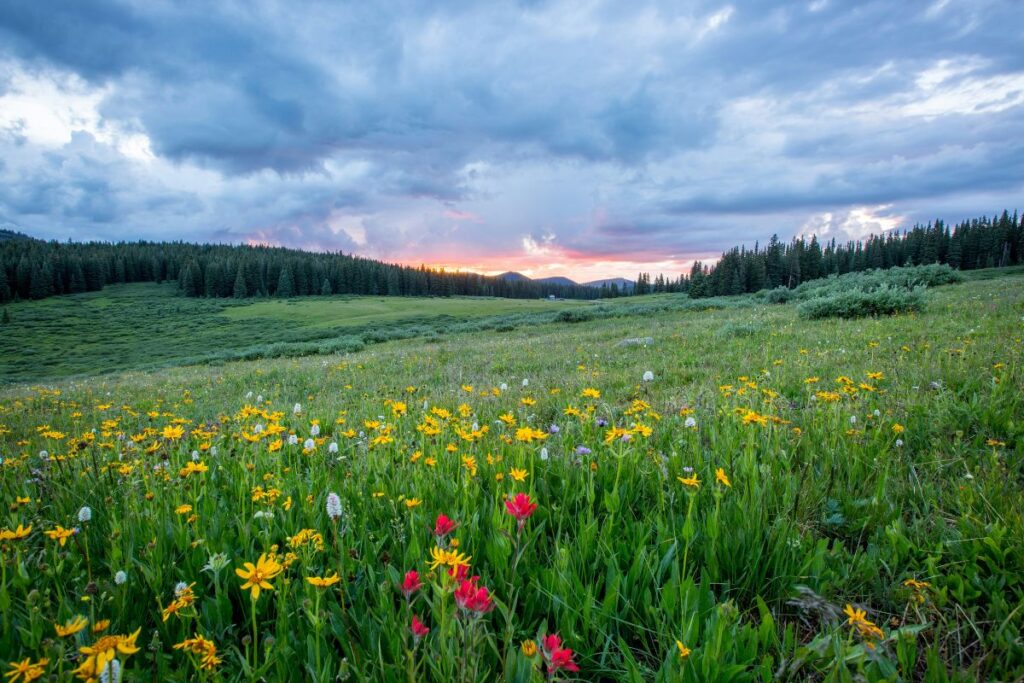
Another significant benefit of natural burials is their potential to restore degraded lands. Many natural burial sites are set up in previously neglected or abandoned areas, such as old quarries or farmland, allowing these landscapes to be revitalised. As bodies decompose naturally, they enrich the soil, promoting healthy plant growth and contributing to a flourishing ecosystem. There are numerous examples of projects where natural burial grounds have transformed barren landscapes into thriving habitats, demonstrating the positive impact of this burial practice on local biodiversity.
Promoting Native Flora and Fauna
Natural burial grounds often prioritise the planting of native flora, creating habitats for local wildlife. By encouraging the growth of indigenous plants, these sites can provide food and shelter for a variety of species, from birds to insects. This commitment to promoting native biodiversity not only enhances the ecological value of the burial site but also serves as a reminder of the importance of preserving our local ecosystems. Furthermore, by choosing natural burials, families can actively participate in the movement to restore and maintain local habitats, making their loved ones’ final resting places a part of the broader effort to protect nature.
What You Want to See from a Natural Burial Company
Offers Sustainability
Those that are seeking natural burial often have the environment in mind. This is why you want to find a natural burial company that believes in sustainability. This is going to support you and what you believe. They could do this in many ways, such as burial grounds with a lovely natural environment, protecting sensitive ecosystems and using processes that minimise greenhouse gas emissions. Take a look at their website and read about how green they’re trying to be and what their processes are. Then, you can know the team align with your beliefs.
Has Personalised Memorials

There are a lot of people who want to get involved in the natural burial and choose personalised elements to make it special. If this sounds like you, you need to find a company that allows you to customise the site. For example, you might want to have a dedicated bench for your loved one where they can be remembered. Alternatively, they may have a favourite tree they want to plant. Either way, you get the freedom and space to make these decisions and feel like you’ve captured the personality of your loved one.
Empath and Understanding
The support you receive after the passing of a loved one is important. While you’ll have your family around you, you also want to have understanding interactions with others involved in the burial process. Indeed, you want to collaborate with a natural burial company that has compassion. This can help you navigate the process and feel like you’re not alone. Indeed, the team will help you through the decisions and offer support when you’re at your lowest. This empathy can go a long way and allow you to make better decisions.
Conclusion
Natural burials offer a meaningful way to honour loved ones while actively contributing to the protection and restoration of our planet’s natural habitats. By choosing this eco-friendly option, families can help create green sanctuaries that support biodiversity and foster a sense of community. As we consider our final resting places, let us embrace the opportunity to make a positive impact on the environment, ensuring a legacy of care and conservation for generations to come.
Images courtesy of unsplash.com and pexels.com