When setting up a home gym, deciding between pull-up and dip bars can be a pivotal choice for achieving your fitness objectives. Both pieces of equipment offer distinct advantages and can significantly enhance your upper body workout.
Pull-up and dip bars each serve unique functions, targeting different muscle groups and providing varied exercise options. Understanding their benefits and how they align with your goals is crucial for making an informed decision. Before diving into the specifics of each, let’s explore how these versatile tools can contribute to a well-rounded strength training regimen.
Leading personal trainer Sean Murphy from Ultimate Performance Leeds says: “Pull-ups are a powerful upper body exercise that builds strength and mobility.” Murphy continues: “a client’s first pull-up is always a proud moment, showing their hard work and progress. It’s a challenging move, but mastering it boosts confidence and marks a key milestone in their fitness journey.'”
Understanding Pull-Up Bars

Pull-up bars are a staple in bodyweight training, providing a versatile tool for upper body strength. By gripping the bar and pulling your body up, you engage multiple muscle groups, including the back, shoulders, and arms. This exercise focuses on vertical pulling motions, which are essential for developing strength and muscle definition in the upper body. Pull-up bars can be installed in various locations, such as door frames or dedicated gym stations, making them accessible for many home gym setups.
Benefits of Pull-Up Bars


Pull-up bars offer several advantages. They primarily target the latissimus dorsi, biceps, and core, contributing to a well-rounded upper body workout. Additionally, performing pull-ups improves grip strength and can aid in overall functional fitness. With various grip options—such as wide, narrow, and neutral grips—users can target different muscle groups and vary their workouts. Pull-ups also require no additional equipment, making them an economical choice for those focused on bodyweight exercises.
Exploring Dip Bars
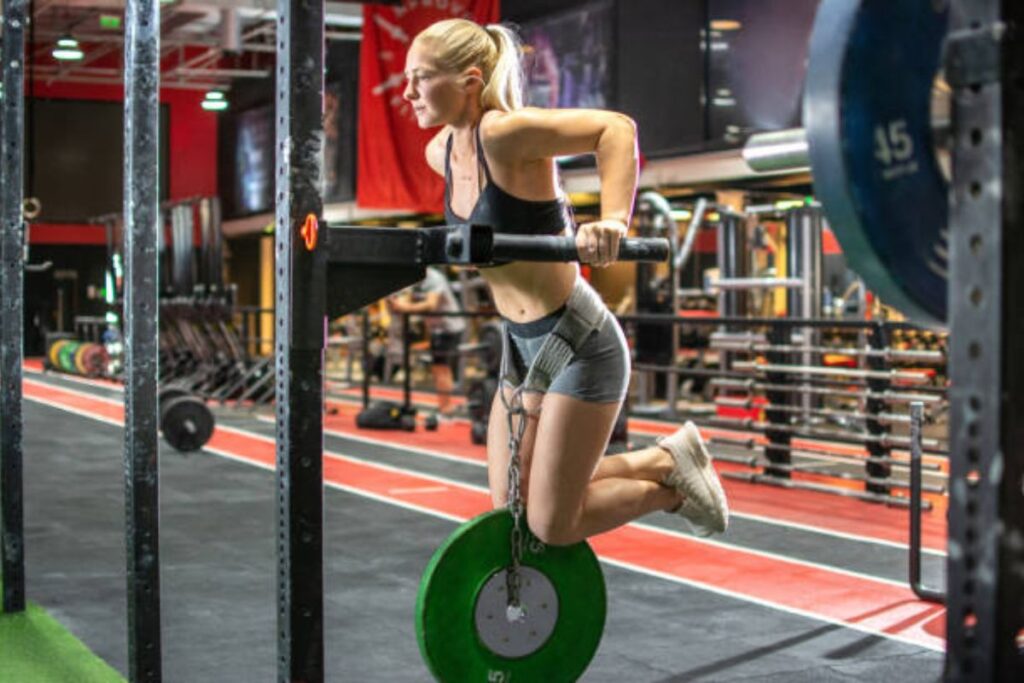
Dip bars, on the other hand, are designed for horizontal pushing movements. By performing dips, you engage the chest, triceps, and shoulders, focusing on the pressing muscles of the upper body. Dip bars can be standalone equipment or part of a larger calisthenics setup, and they are typically used to perform dips, leg raises, and other bodyweight exercises. This tool is excellent for developing strength and size in the chest and triceps, offering a complementary workout to pull-up bars.
Advantages of Dip Bars

Dip bars offer unique benefits for strength training. Dips are highly effective at targeting the chest and triceps, which can contribute to a more balanced upper body development when paired with pull-ups. Additionally, the ability to adjust body angles during dips allows for a variety of exercises that can enhance muscle engagement and overall workout intensity. This makes dip bars a versatile addition to a home gym, providing a different focus compared to pull-up bars.
Comparing the Exercises
When choosing between pull-up bars and dip bars, consider your fitness goals. Pull-up bars are ideal for developing upper body strength, especially in the back and biceps. They are also excellent for enhancing grip strength and overall functional fitness. Dip bars, conversely, are better suited for targeting the chest and triceps. They allow for a greater range of motion in pressing movements and can be beneficial for muscle hypertrophy in the upper body.
Combining Both Tools


For a well-rounded fitness routine, integrating both pull-up and dip bars can be highly effective. Combining these tools allows for a comprehensive upper body workout, targeting different muscle groups and movements. This approach ensures balanced muscle development and can prevent workout plateaus. By incorporating both pull-ups and dips into your routine, you can achieve a more complete upper body strength and endurance profile. For those seeking high-quality equipment to enhance their workouts, Gunsmith Fitness offers a range of premium fitness gear designed to support and optimize your training routine.
Choosing Based on Space and Goals
Deciding between pull-up bars and dip bars also depends on your home gym space and specific fitness goals. If space is limited, a pull-up bar might be more suitable due to its compact size and versatility. However, if you have room for additional equipment and aim to develop a balanced upper body, adding dip bars could be beneficial. Assess your goals and available space to determine which equipment aligns best with your needs.
Cost and Accessibility
Both pull-up bars and dip bars are relatively affordable options for home gyms. Pull-up bars are often less expensive and can be mounted in various locations, while dip bars may require more space and can sometimes be costlier. Evaluating your budget and space constraints will help in making an informed decision on which equipment to invest in.
In conclusion, both pull-up bars and dip bars offer valuable benefits for upper body training. Pull-up bars excel in developing back and bicep strength, while dip bars are ideal for targeting the chest and triceps. For a comprehensive upper body workout, incorporating both can provide balanced muscle development and enhance overall fitness. Consider your goals, space, and budget to choose the best equipment for your home gym.
Images courtesy of unsplash.com and pexels.com