Creating a home gym is a really good way to stay fit without the hassle and expense of travelling to a gym. However, setting up a home gym comes with its own set of challenges.
In this article, we’ll focus on two critical aspects: garage flooring and storage containers. Both are often overlooked but play a vital role in the functionality and longevity of your home gym. Let’s delve into the common mistakes and how to avoid them.
Mistake #1: Neglecting Proper Garage Flooring

Many people underestimate the importance of proper flooring in their home gym. The garage floor, often made of bare concrete, might seem adequate at first glance, but it can lead to several problems.
Common Issues with Improper Flooring
- Joint and Muscle Strain: Concrete floors do not provide the necessary cushioning, leading to increased strain on your joints and muscles during workouts.
- Equipment Damage: Dropping weights on a hard concrete surface can cause significant damage to both the equipment and the floor.
- Safety Hazards: Smooth concrete can be slippery, especially when wet, increasing the risk of accidents.
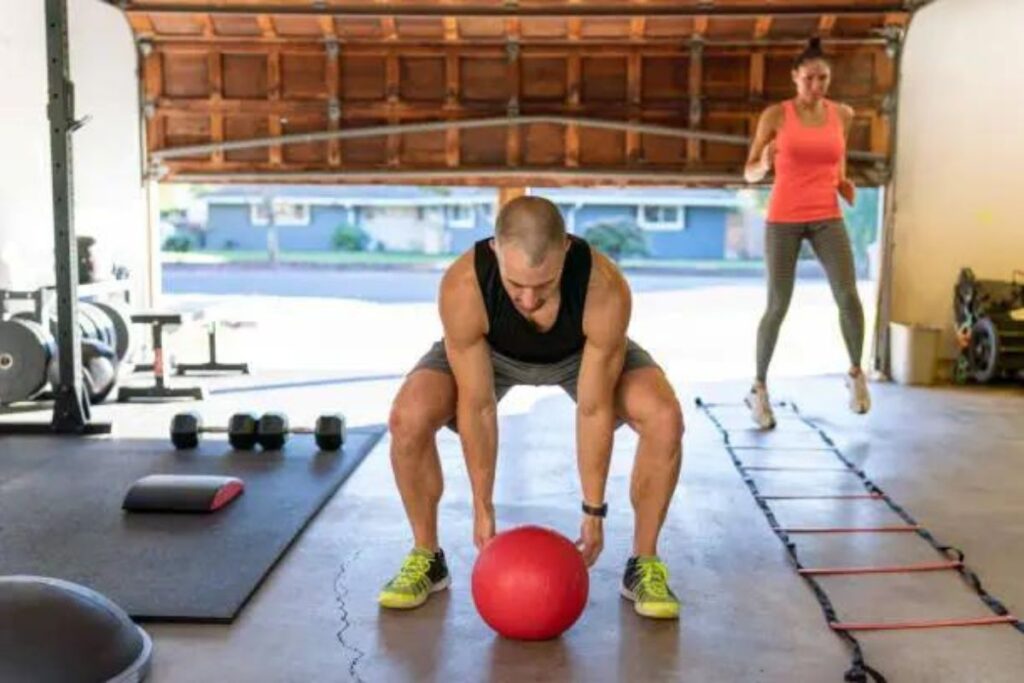

- Rubber Mats: These are excellent for providing cushioning and reducing the impact on your joints. They also protect your equipment and reduce noise.
- Foam Tiles: Interlocking foam tiles are easy to install and provide good shock absorption. They are also relatively inexpensive.
- Vinyl Flooring: This option is durable, easy to clean, and provides a professional look to your gym. It’s also resistant to moisture, making it ideal for garages.
Mistake #2: Inadequate Storage Solutions
The Importance of Good Storage
Efficient storage is crucial in maintaining an organised and functional home gym. Without proper storage solutions, your gym can quickly become cluttered, making it difficult to work out effectively.


- Overcrowding: Storing too much equipment in a small space can make it difficult to move around and perform exercises safely.
- Poor Organisation: Lack of a systematic storage plan can lead to wasted time searching for equipment and can increase the risk of accidents.
- Inappropriate Storage Containers: Using unsuitable containers can result in damaged equipment and wasted space.
- Wall-Mounted Racks: Utilise vertical space by installing wall-mounted racks for weights, resistance bands, and other equipment. This keeps the floor area clear and makes equipment easily accessible.
- Shelving Units: Sturdy shelving units can be used to store smaller items like dumbbells, kettlebells, and workout accessories. Adjustable shelves offer flexibility for different storage needs.
- Storage Bins and Boxes: Invest in durable, labelled storage bins and boxes to keep smaller items organised. Clear bins are particularly useful as they allow you to see the contents easily.
- Pegboards: Installing a pegboard on the wall is a great way to store smaller items such as jump ropes, gloves, and resistance bands. It also keeps these items visible and within reach.
Mistake #3: Ignoring Moisture and Temperature Control
The Impact of Environmental Factors
Garages are often not climate-controlled, which can lead to problems with moisture and temperature fluctuations. These factors can affect both your workout and your equipment.
Consequences of Poor Environmental Control
- Moisture Damage: Excess moisture can lead to rust on metal equipment and the growth of mould and mildew, which can damage both equipment and flooring.
- Temperature Extremes: Extreme cold or heat can make workouts uncomfortable and can also affect the performance and longevity of your equipment.
Solutions for Environmental Control
- Dehumidifiers: A dehumidifier can help control moisture levels, protecting your equipment and flooring from damage.
- Insulation: Proper insulation can help maintain a more consistent temperature in your garage, making it a more comfortable workout environment.
- Flooring with Moisture Barriers: Some flooring options come with built-in moisture barriers, providing an extra layer of protection against moisture damage.
Mistake #4: Overlooking Lighting and Ventilation
The Role of Lighting and Ventilation
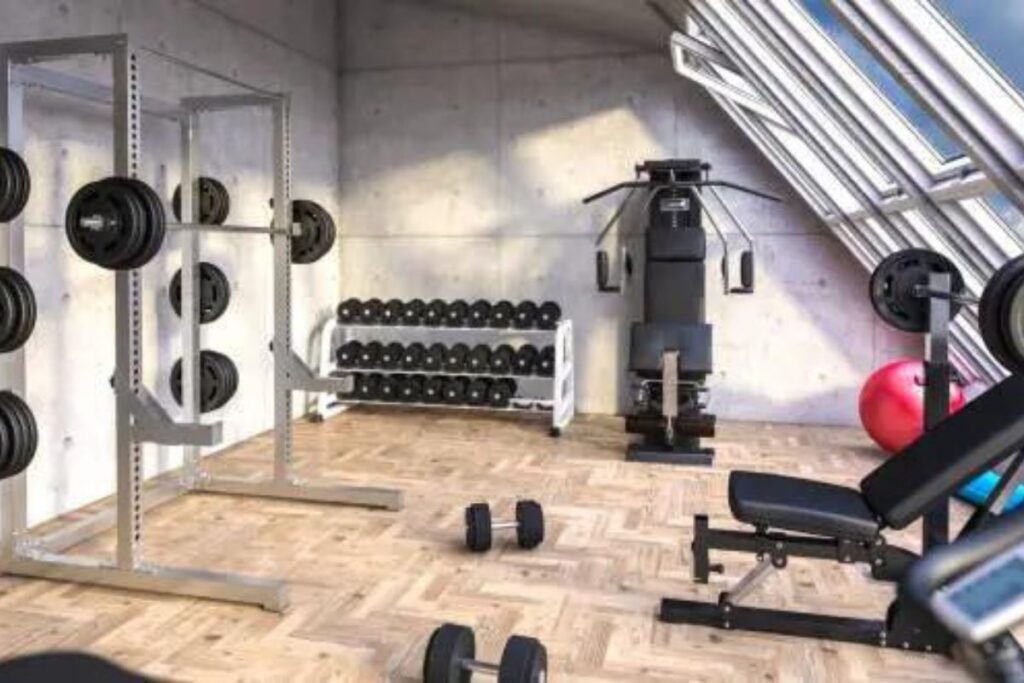
Adequate lighting and ventilation are essential for creating a comfortable and safe workout environment. Poor lighting can lead to accidents, and inadequate ventilation can make workouts unpleasant.

Common Lighting and Ventilation Issues
- Dim Lighting: Insufficient lighting can make it difficult to see what you’re doing, increasing the risk of injury.
- Poor Ventilation: Without proper airflow, your gym can become stuffy and unpleasant, especially during intense workouts.
Improving Lighting and Ventilation
- LED Lighting: Install bright, energy-efficient LED lights to ensure your gym is well-lit. Consider adjustable lighting for different workout zones.
- Fans and Exhaust Systems: Installing ceiling or wall-mounted fans can improve air circulation. An exhaust system can help remove stale air and bring in fresh air.
- Natural Light: If possible, maximise natural light by keeping windows clear and using light-coloured paint on the walls.
Avoiding The Home Gym Mistakes
Setting up a home gym in your garage can be a rewarding endeavour, but it’s essential to avoid common mistakes that can hinder your workouts and damage your equipment. By investing in proper flooring, efficient storage solutions, and addressing environmental factors like moisture, temperature, lighting, and ventilation, you can create a safe, comfortable, and effective workout space. Remember, a well-planned home gym not only enhances your fitness routine but also adds value to your home.
Images courtesy of unsplash.com and pexels.com