Traumatic brain injuries (TBIs) are serious health issues that can have profound effects on individuals and their families.
While the initial brain injury may be sudden, the long-term impacts can unfold over years, affecting physical health, cognitive function, and emotional well-being.
Immediate and Long-Term Symptoms
TBIs are characterised by a variety of symptoms, which can vary widely depending on the severity and location of the injury. Initially, individuals may experience confusion, blurred vision, and dizziness. As time progresses, the symptoms can evolve or become chronic, potentially including persistent headaches, fatigue, and sensitivity to light and noise. Understanding these symptoms is crucial for early diagnosis and ongoing management.

Physical Effects and Challenges
The physical ramifications of a TBI can be extensive and debilitating. Some individuals may face difficulties with coordination and balance, while others might contend with chronic pain and fatigue that interfere with daily activities. The physical challenges often require long-term management strategies, including physical therapy and medication, to improve quality of life.

Cognitive and Emotional Consequences
Cognitive impairments following a TBI can range from mild to severe. Common issues include problems with memory, attention, and executive functions such as planning and decision-making. On the emotional front, individuals may experience changes in personality, increased irritability, depression, or anxiety. These cognitive and emotional consequences not only affect the individual but also have a significant impact on their social interactions and personal relationships.
Legal Support and Rights
Navigating life after a TBI can be complex, particularly when it comes to legal matters. Consulting with specialised lawyers, such as Brain Injury Solicitors in Manchester who serve clients in England and Wales, can offer expert guidance. These legal professionals specialise in understanding the rights of TBI victims and can assist in securing compensation and support services. Legal expertise from traumatic brain injury law firms is invaluable in cases where a TBI has resulted from accidents or negligence, helping victims and their families gain the resources needed for rehabilitation and adapting to new life circumstances.

Medical Treatments and Therapies
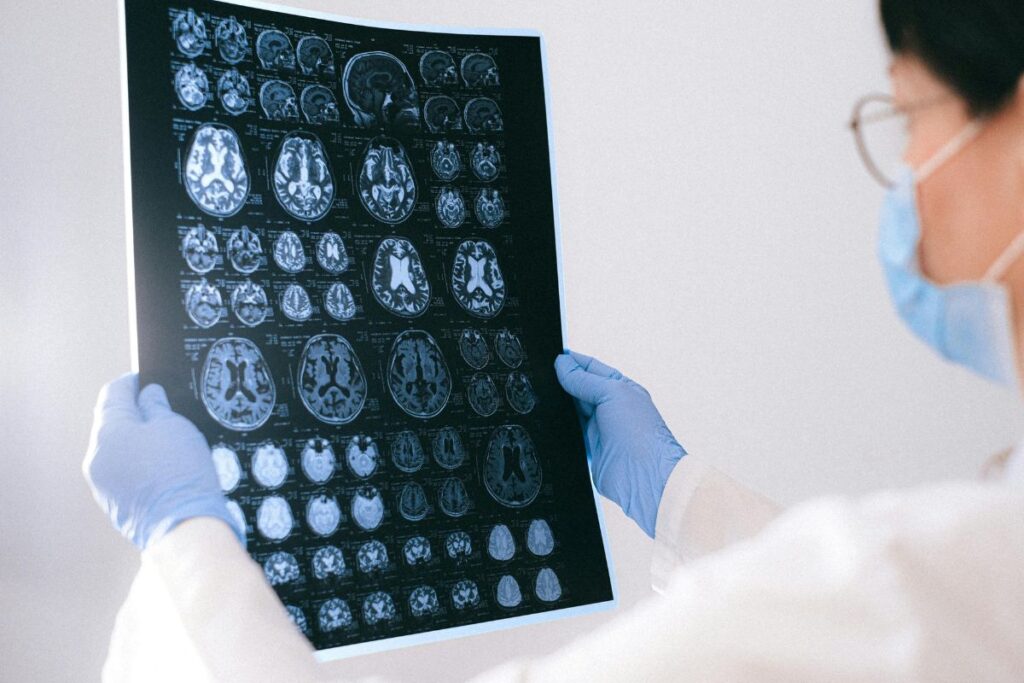
Medical treatment for TBIs is tailored to the individual’s specific symptoms and may involve a combination of medication, surgery, and rehabilitative therapies. Rehabilitation plays a critical role in recovery, often involving a team of specialists including physiotherapists, occupational therapists, and speech and language therapists. These professionals work together to help individuals regain their independence and improve their quality of life.
Impact on Daily Life and Relationships
The effects of a TBI can ripple out, influencing every aspect of a person’s life. Daily tasks that were once taken for granted may become challenging, and the dynamic within families often shifts as roles and responsibilities change. Support and understanding from family, friends, and co-workers regarding a brain injury is essential. It is also important for caregivers to seek support as they adjust to their new roles.

Conclusion: Living with a TBI
Living with a TBI is a continual adjustment, involving regular assessments and adaptations of treatment plans. With the right medical care, support from loved ones, and assistance from specialised legal professionals, individuals with TBIs can lead fulfilling lives. It is important for society to foster environments that support their recovery and integration through understanding, accommodation, and respect.
Images courtesy of unsplash.com and pexels.com