Cataracts are a common condition, particularly among the older population, affecting millions worldwide, including a significant number in the UK.
Characterised by a clouding of the eye’s lens, cataracts can lead to a decrease in vision quality, impacting daily activities and overall quality of life. Understanding cataracts—their causes, symptoms, and treatments—is crucial for early detection and management.
What Are Cataracts?
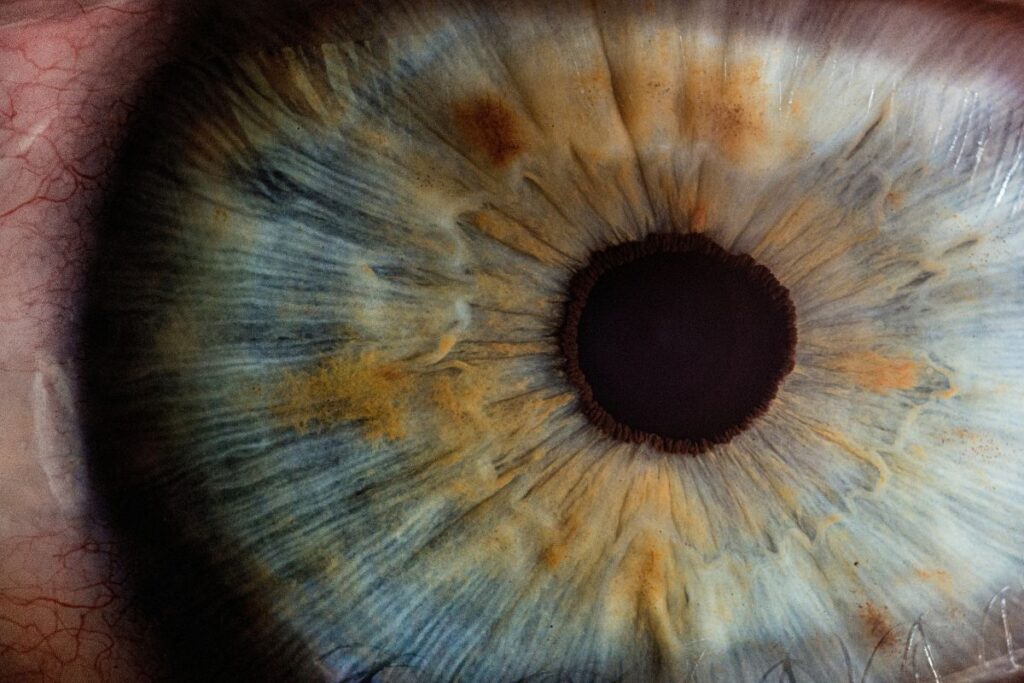
A cataract develops when the clear lens of the eye becomes cloudy, preventing light from passing through clearly, which can cause vision to become blurred or dimmed. The lens of the eye is pivotal for focusing light onto the retina, which then transmits visual signals to the brain. When cataracts form, it’s like looking through a frosty or fogged-up window.
Symptoms Of Cataracts
The symptoms of cataracts can vary among individuals but commonly include:
- Blurry or cloudy vision
- Reduced intensity of colours
- Difficulty with vision at night
- Sensitivity to light and glare
- Seeing “halos” around lights
- A need for frequent changes in prescription glasses
Cataracts typically develop slowly and can affect one or both eyes.
Causes And Risk Factors
While ageing is the most common cause, several factors can contribute to the development of cataracts:
- Genetic predisposition
- Diabetes
- Extensive exposure to sunlight
- Smoking
- High blood pressure
- Previous eye injuries or surgeries
- Prolonged use of corticosteroid medications
Understanding these risk factors is a step towards prevention and early intervention.
Diagnosing Cataracts
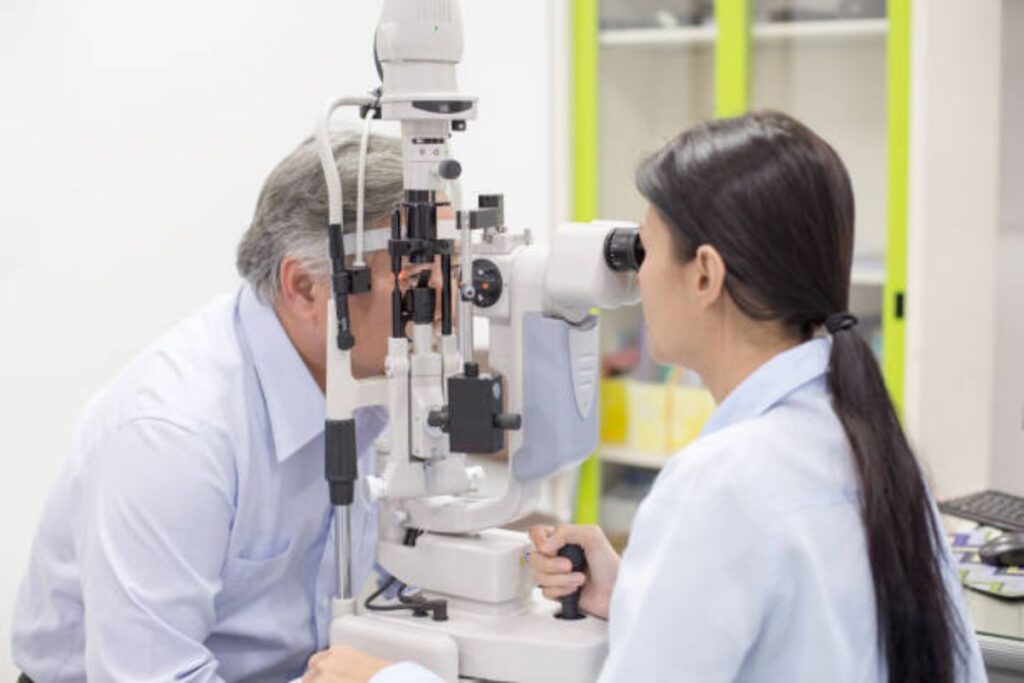
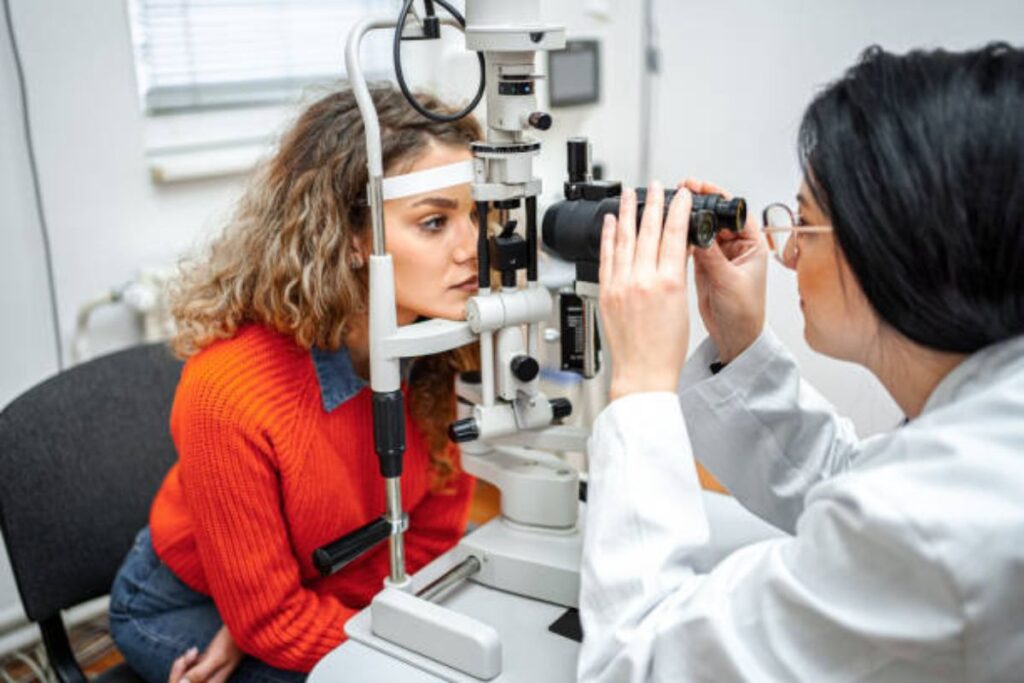
Regular eye examinations are crucial for diagnosing cataracts. Eye care professionals can perform a series of tests to examine the clarity of the lens and other parts of the eye. The NHS recommends that adults have their eyes tested at least once every two years, though those at higher risk may need more frequent checks.
Cataract Surgery Is Available
Fortunately, cataract surgery is a safe and effective treatment. It involves removing the cloudy lens and replacing it with an artificial one, restoring clear vision for most individuals. This procedure is one of the most common operations performed in the UK. If you’re looking for cataract surgery in London, get in touch with OCL Vision. Their experts can help you to find the best options for your specific needs.
The Procedure
Cataract surgery is typically performed on an outpatient basis under local anaesthesia. The operation itself is relatively quick, taking about 30 to 45 minutes. Most patients report little to no discomfort during the procedure and a rapid improvement in vision shortly after.
Recovery And Outcomes
Recovery from cataract surgery is usually straightforward. Patients may be advised to wear an eye patch or protective shield shortly after surgery and may need to use eye drops to prevent infection. Full recovery and the stabilisation of vision can take a few weeks, during which patients often notice significant improvements in their vision clarity and quality of life.
Living With Cataracts
While waiting for surgery, there are ways to manage the symptoms of cataracts and maintain a good quality of life. Using brighter lights at home, wearing anti-glare sunglasses, and using magnifying lenses for reading can help manage the effects of reduced vision.
Prevention And Early Detection
Though not all cataracts can be prevented, certain lifestyle choices can help reduce your risk:
- Wearing sunglasses to protect your eyes from UV light
- Giving up smoking
- Managing health conditions like diabetes effectively
- Eating a diet rich in vitamins and antioxidants
Regular eye exams are also essential for early detection, allowing for timely treatment and management.
Images courtesy of unsplash.com and pexels.com