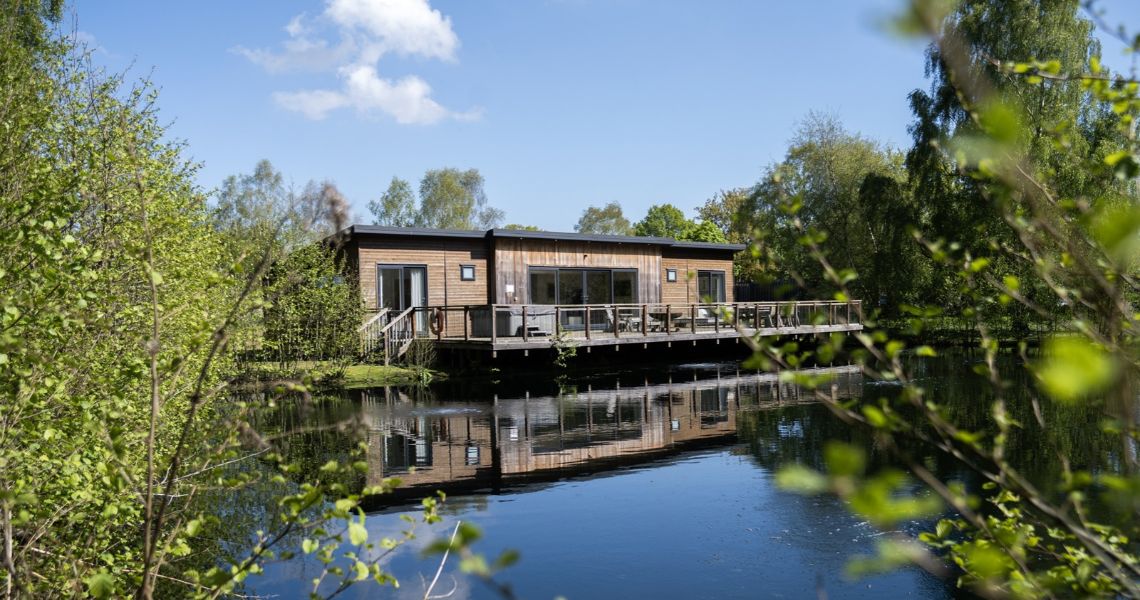
While the winter wildlife of Britain’s mainland is unfortunately in decline* there of plenty of spots nearby where cold weather animals remain plentiful. Ambassador Cruise Line is helping wildlife enthusiasts catch a glimpse by creating an expert guide on how and where to find them.
While winter might be synonymous with being dark and dreary in the UK, the same can’t be said for around the world. Across Europe, snow-capped mountains, frosted trees and icy lagoons create magical winter scenes. But one element of winter that can truly take your breath away is the wildlife. Whilst unfortunately on mainland Britain the array of cold weather species is declining*, many places overseas are brimming with spectacular displays of winter wildlife.
From polar bears in Norway to orca whales in Iceland, the hostile weather and low light encourages many different species to come out and play. And the best way to catch these animals in their natural habitat is to know where to find them.

As such Matt Agg, Head of Destination Experiences at Ambassador Cruise Line, has compiled a list of some of the best places to spot wildlife this winter.
Norway
Known for its snow-covered mountains, vast forests and pristine fjords, Norway’s spectacular natural landscape is a haven for wildlife.
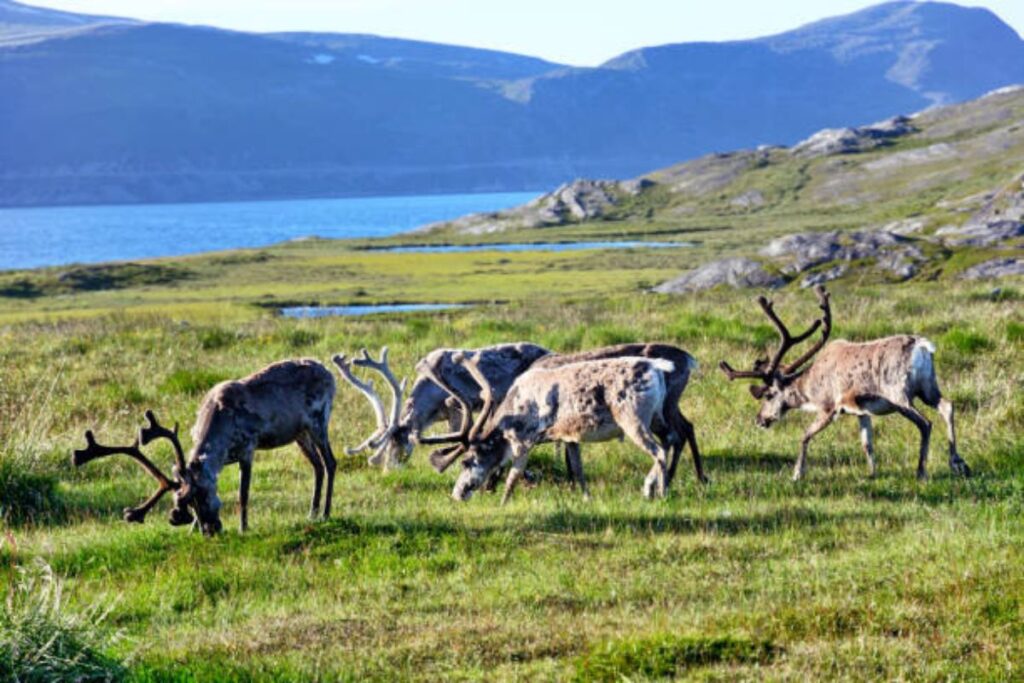
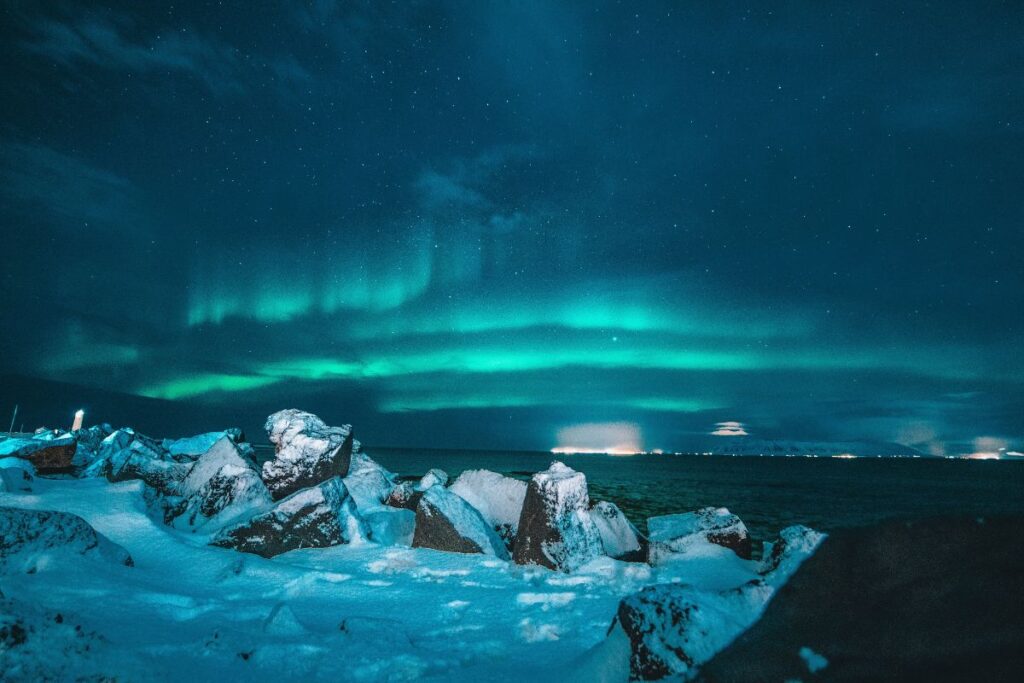
Famously, the winter season in Norway involves the migration of the reindeer. Particularly in areas such as Finmark and Tromsø, reindeer migration paths are very well documented, providing ample opportunities for visitors to witness the routes of these native animals. If you are lucky, you might even see the Northern Lights dancing above.
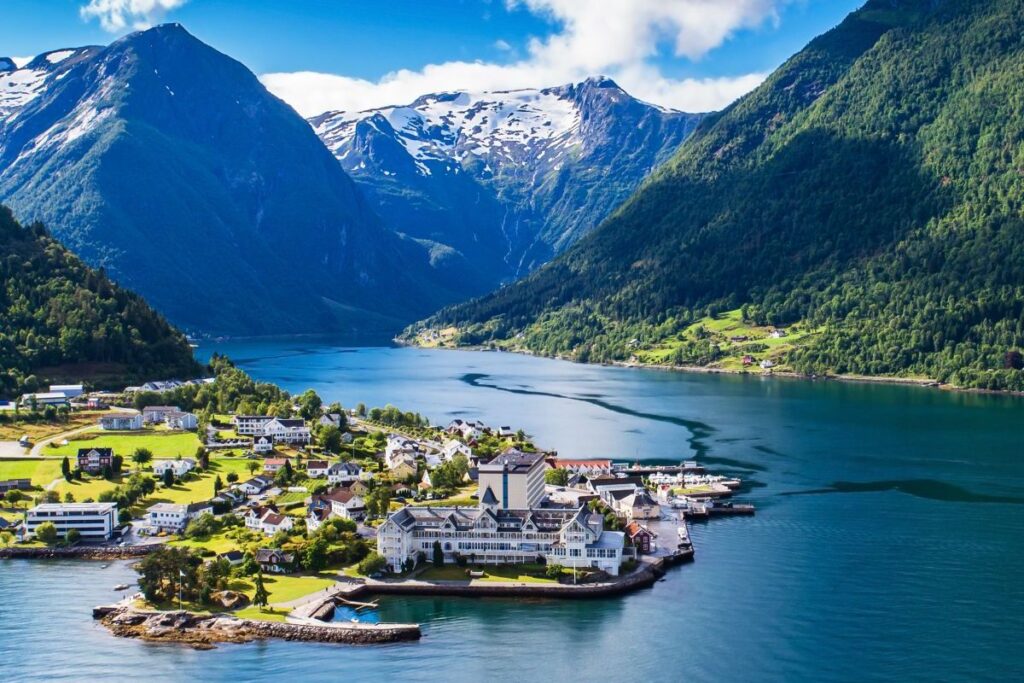
Aside from the native deer, many of Norway’s northern regions including Svalbard are home to subarctic species. Along Norway’s harbour sit hundreds of colonies of seals. Highly social and rarely seen alone, its common to see colonies of these seals scattered along the entirety of the Norwegian coast and far into the fjords.
If you’re extremely lucky, you might even catch a glimpse of one of the world’s most rare subarctic animals, the polar bear – albeit this is a much scarcer occurrence (but not out of the realm of possibility).
Azores
From colourful fish to graceful birds, The Azores in the North Atlantic Ocean is an oasis for nature enthusiasts. Characterised by crystal-clear waters, The Azores attracts travellers from all over the world looking out for the huge tails of whales.
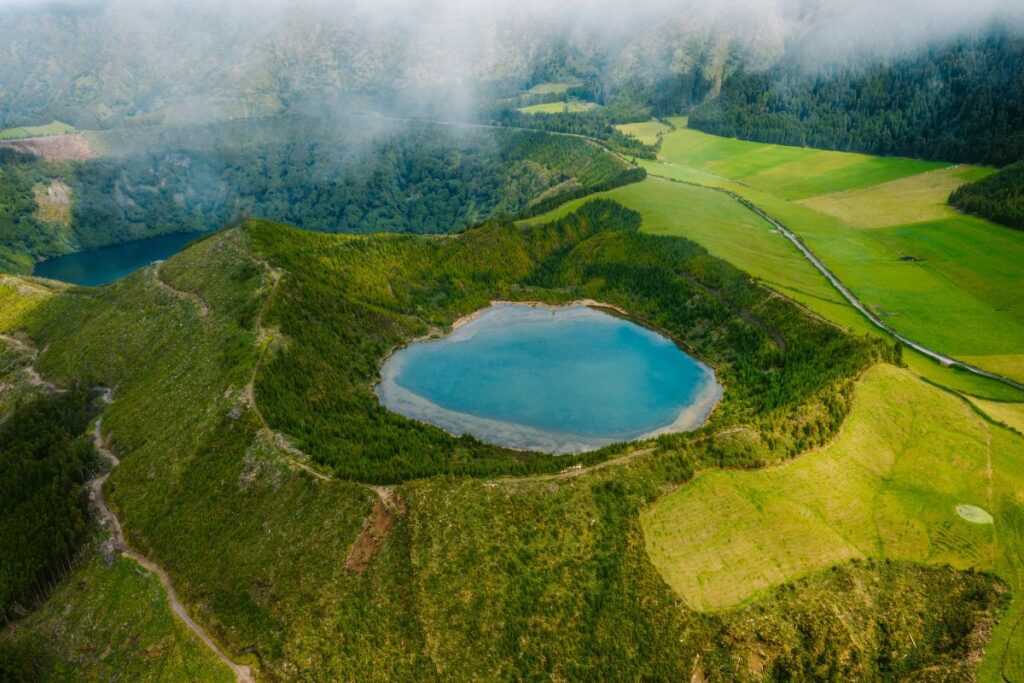
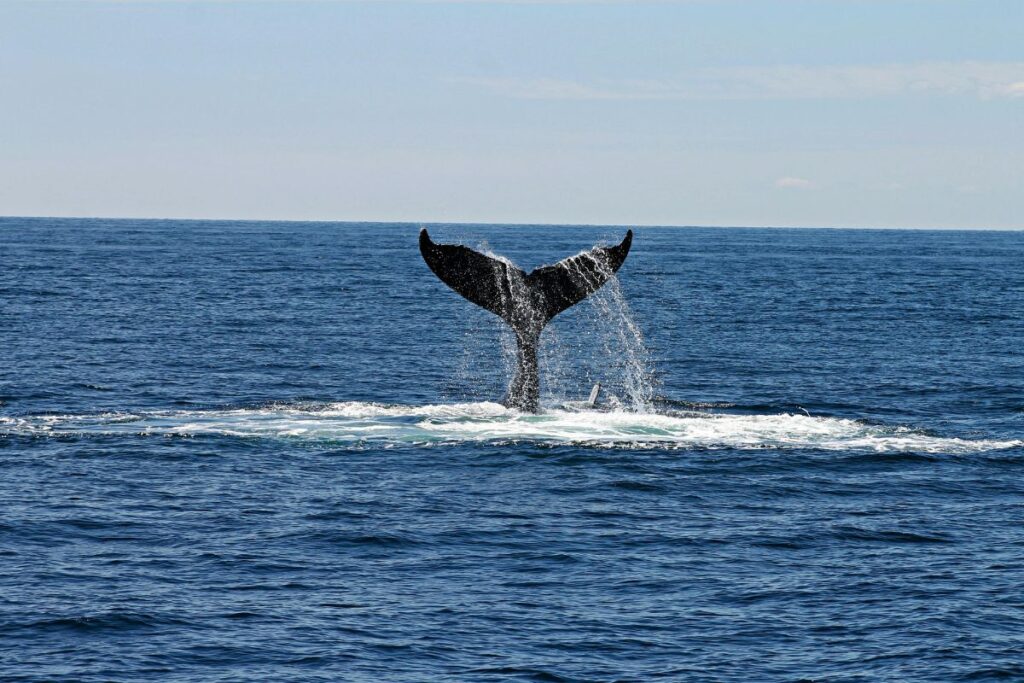
Sperm whales are the species most commonly found swimming around the blue waters of this archipelago, as these mammals remain residents year-round. Luckily, given they only have one blow hole, recognising a sperm whale is easy thanks to their slightly sideway blow.
Plus, while sightings are less common than the other species, The Azores is also renowned for being one of the best places in the world for spotting blue whales. Being amongst the largest animals on earth, the sheer size and rarity of these whales will make any encounter a memorable experience.
Lithuania
Located on the Baltic Sea coast in Lithuania, Klaipeda hosts a diverse array of winter wildlife, most notably birds of prey.
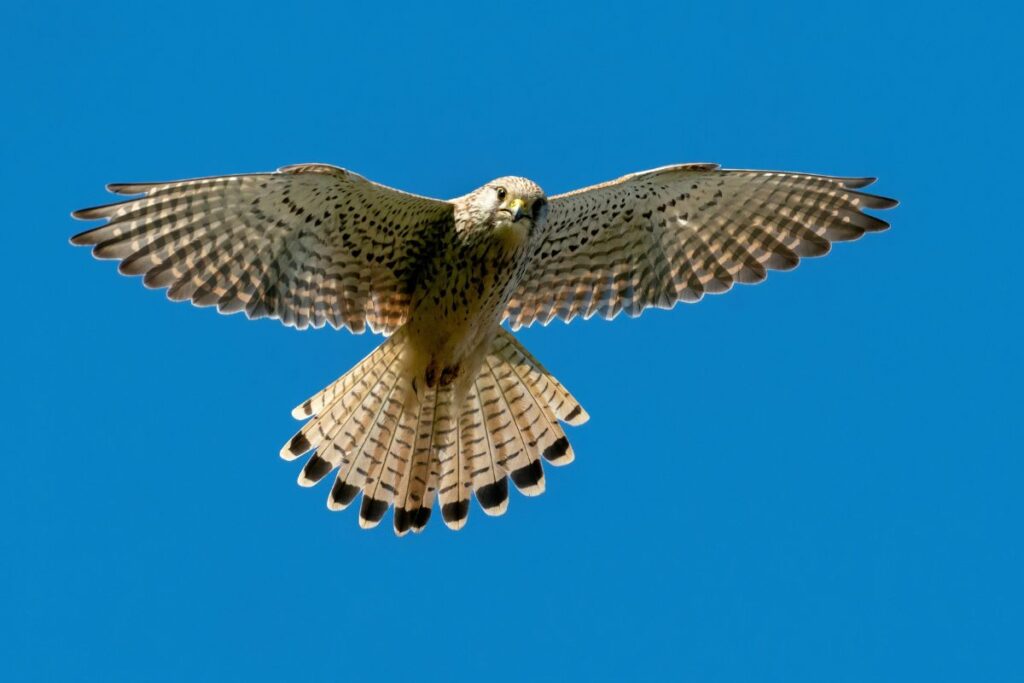
Majestic and dynamic, birds of prey are known for their keen eyesight, powerful talons and soaring flight, making them a spectacle to spot plunging through the winter skies. Perhaps one of the most spotted species found around Klaipeda are kestrels, famous for their hovering flight. Flying low over the water, kestrels will hunt for prey along the shorelines, making them perfect to spot when at sea.

Cormorants are also regular visitors along Lithuania’s costal cliffs, with the rocky outcrops serving as nesting sites for the birds. With their distinctive long necks, hooked bills and webbed feet, the large sea birds are excellent divers so look out for these majestic birds dipping and diving into the water to catch their prey.
Iceland
Icelandic winters might be chilly but they’re far from lifeless. At this time of year, great rafts of Eider Ducks pepper the bays and fjords. Time it right and it’s possible to catch thousands of these aquatic birds scattered across the backdrop of the Icelandic snow-covered mountains.
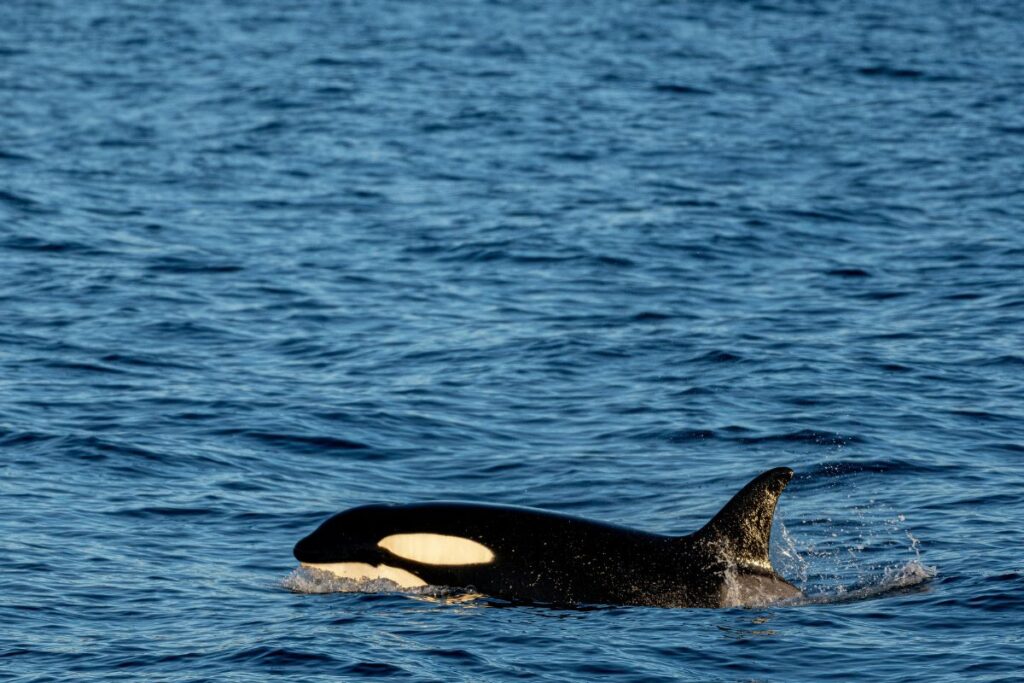
But it’s the killer whales that truly steal the show. Iceland is one of the few places in the world where you can see orcas in their natural habitat all year round, however the best time to see these colossal creatures is during the winter and early spring months.
Despite the northern coast of Iceland and the fjords providing a rich feeding ground for orca, sightings do remain rare so remember to keep your eyes firmly peeled to catch them.
British Isles, UK ( Isle of Lewis, Orkney)
Across the British Isles during the winter months, a diverse array of birds can be spotted along the coastal regions. In particular, the skies come alive with the calls of waterfowl, including mule swans and goldeneyes, while wading birds such as curlews and oystercatchers navigate the marshy estuaries.
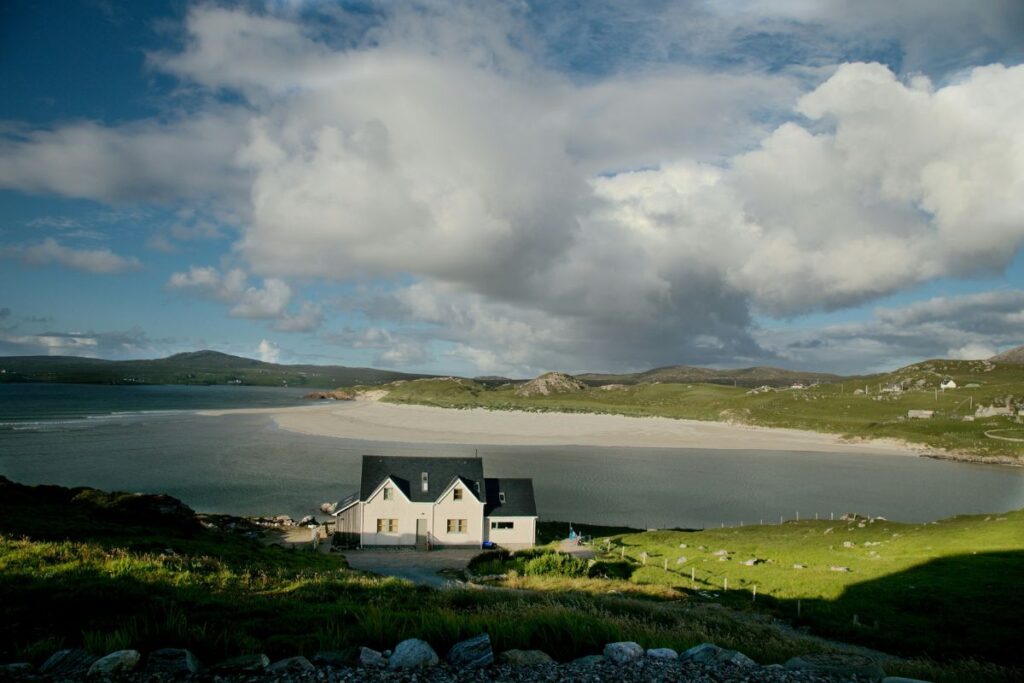
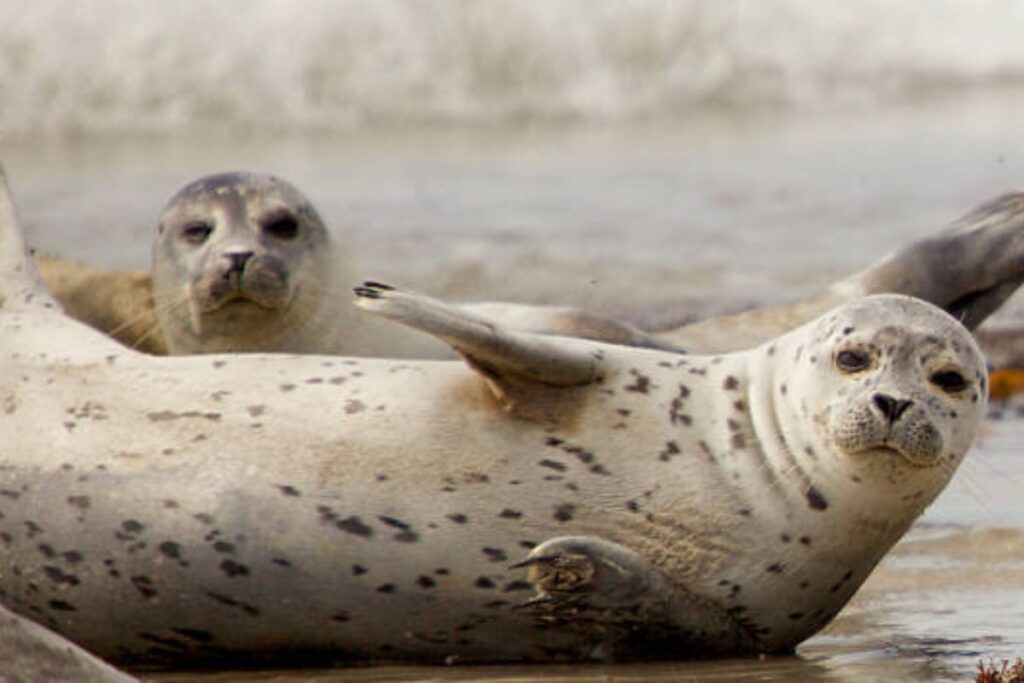
Winter wildlife in the British Isles not only swoops across the skies but also swims in the sea. The Northern Isles such as Orkney and the Isle of Lewis offer a glimpse of seal colonies, with grey seals and common seals basking on rocky shores. During late Autumn through to early winter seal colonies are bustling with adorable seal pups so be sure to bring your binoculars with a good zoom lens to catch the new families resting on rocks or swimming in the water.
Images courtesy of unsplash.com and pexels.com. Ambassador Cruise Line.