Being a landlord isn’t just about making money; it’s also about ensuring that your property is a safe, liveable space for your tenants. You’ve got laws to abide by and responsibilities to fulfil. But don’t worry, we’re here to break it down for you.
In the UK, the Landlord and Tenant Act and various other regulations lay down a robust framework outlining what you, as landlords, must do. These aren’t suggestions; they’re legal requirements, and failing to meet them could land you in hot water. So, let’s get into the nitty-gritty of what you’re responsible for.
Gas, Electrical, and Fire Safety Responsibilities

The first thing you might think about in terms of responsibilities would naturally be rent collection and contract enforcement. But before you even get there, you’ve got some life-saving rules to follow. We’re talking gas safety, electrical safety, and fire safety. It’s non-negotiable.
In the UK, landlords are legally obligated to have gas appliances checked annually by a Gas Safe registered engineer. You need to provide your tenants with a copy of the gas safety certificate within 28 days of the check. Failure to comply could result in severe penalties or even imprisonment.
When it comes to electrical safety, landlords must ensure that all electrical installations are safe when tenants move in and maintained in a safe condition throughout the rental period. As of July 1, 2020, electrical safety reports are required every five years. And don’t forget about smoke alarms and carbon monoxide detectors; they’re not just good ideas, they’re the law.
Navigating Repairs
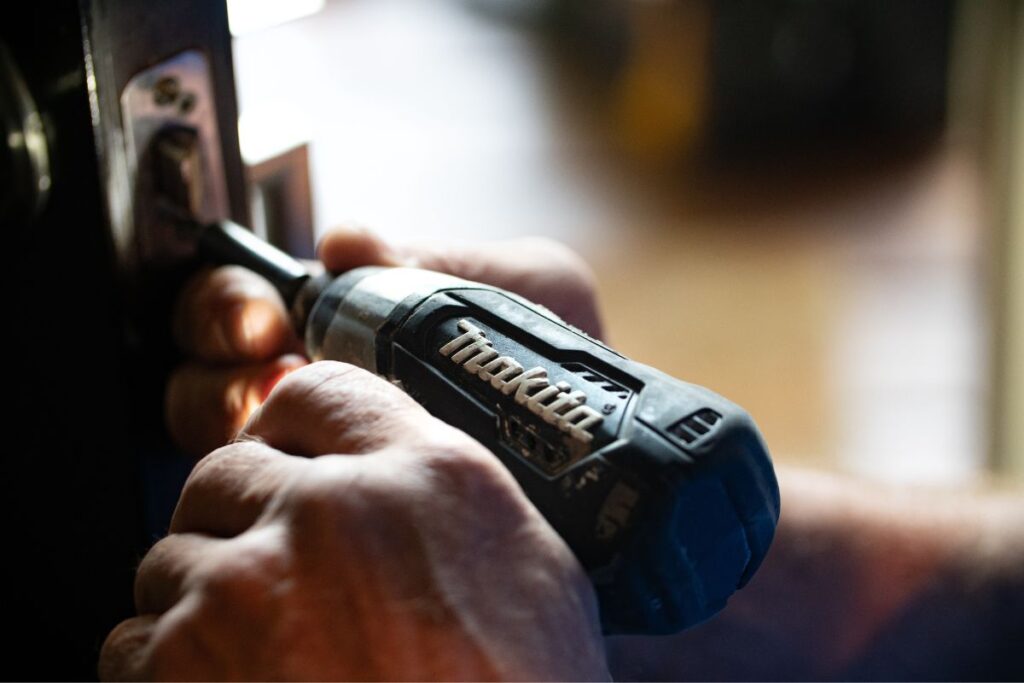
Nobody likes to deal with repairs, but as a landlord, it’s your job to keep the property in a good state of repair. That means fixing broken windows, dealing with leaky roofs, and yes, even tackling that pesky dripping tap in the kitchen.
Here’s where appliance repair services can come in handy. Let’s say your tenant’s washing machine breaks down. Instead of spending a fortune on a new one, consider hiring a professional appliance repair service to fix it. Likewize Appliance Repair Specialists are on hand to help save you a lot of money and time in the long run, and they can also provide valuable advice on maintenance to prolong the life of your appliances.
Sorting Deposits And Rental Fees
So, you’ve got a deposit from your tenant—great! But remember, that money isn’t a bonus; it’s a security blanket for both you and the tenant. In the UK, you’re required to place that deposit in a government-approved Tenancy Deposit Scheme (TDS) within 30 days of receiving it. The TDS serves as a neutral third party, ensuring that the tenant gets their deposit back, provided they meet the terms of the tenancy agreement. Failure to comply with these regulations can result in hefty fines.
Rent is the backbone of your landlord-tenant relationship, but it also comes with its own set of responsibilities. Yes, you can evict a tenant for failing to pay rent, but only after you’ve followed proper legal procedures, which include providing adequate notice and obtaining a court order. And don’t even think about “taking matters into your own hands” by changing the locks or removing the tenant’s belongings without a court order; that’s illegal and can get you into serious trouble.
Additional Responsibilities
Did you know that your tenant has a legal right to “quiet enjoyment” of the property? That means you can’t just waltz in whenever you feel like it. You must provide at least 24 hours notice before entering the property for inspections or repairs, except in emergency situations.
Beyond the immediate concerns of safety and repairs, you also have a duty to maintain the property over the long term. That could mean anything from repainting walls to replacing worn-out carpets. Regular maintenance not only keeps your tenants happy but also helps preserve the value of your property.
Tenant Rights and Landlord Obligations
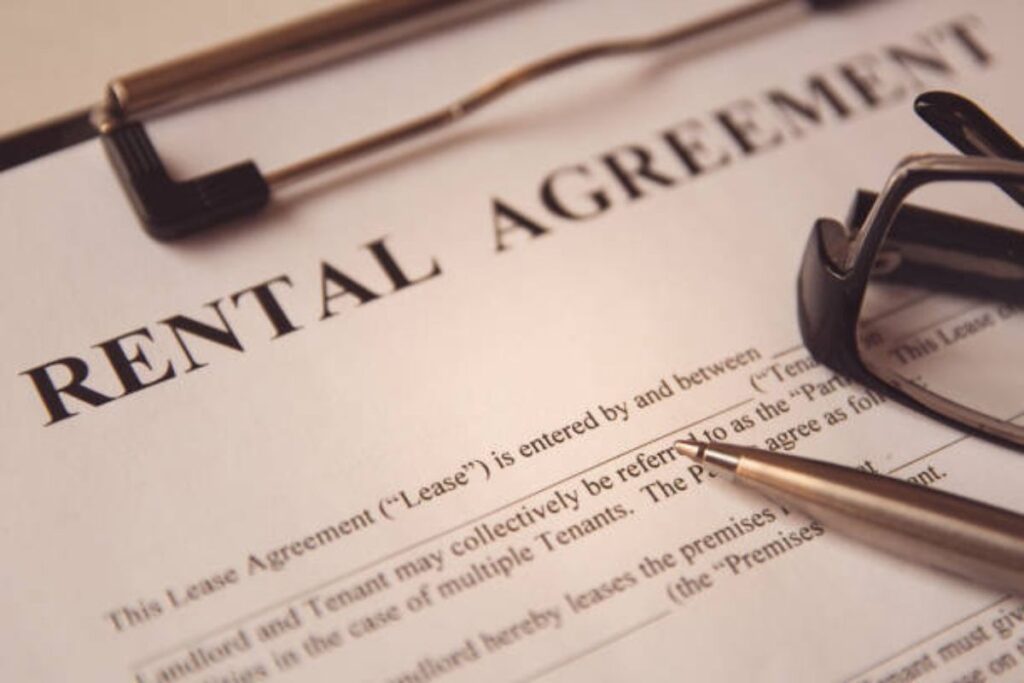
While landlords have their share of responsibilities, it’s crucial to understand that tenants have rights too. Discrimination based on gender, race, or disability is illegal, as is retaliatory eviction for complaints made in good faith. As a landlord, it’s your responsibility to be aware of these rights and to respect them. Knowledge is power, and being well-versed in tenant rights can save you a lot of legal hassle down the line.
Open communication is a two-way street. While you’re obligated to provide essential information like safety certificates and emergency contact details, you should also be open to hearing your tenants’ concerns and complaints. A good landlord-tenant relationship is built on trust and transparency, so don’t underestimate the power of good communication. Keep those lines open, and you’ll find that many problems can be solved before they escalate into major issues.
Wrapping It Up
Being a landlord may sometimes feel like a tightrope walk between legal obligations and operational practicalities. But remember, these responsibilities aren’t just bureaucratic hoops to jump through; they’re the foundation of a successful rental business. By adhering to safety standards, respecting tenant rights, and maintaining open communication, you set the stage for a long-term, profitable venture.
Images courtesy of unsplash.com and pexels.com