Folic acid is one of the essential nutrients pregnant women take during pregnancy. Indeed, it plays an integral role in the development of a foetus, preventing birth defects like spina bifida and anencephaly.
Therefore, ensuring the health and well-being of pregnant women and their developing babies goes through getting the daily intake of folic acid. In this regard, it’s worth exploring the benefits of taking folic acid during pregnancy. If you’re eager to learn more about the nutrient, here’s what https://motherhoodtips.com/ can tell you about its importance for pregnant women:
What is folic acid?
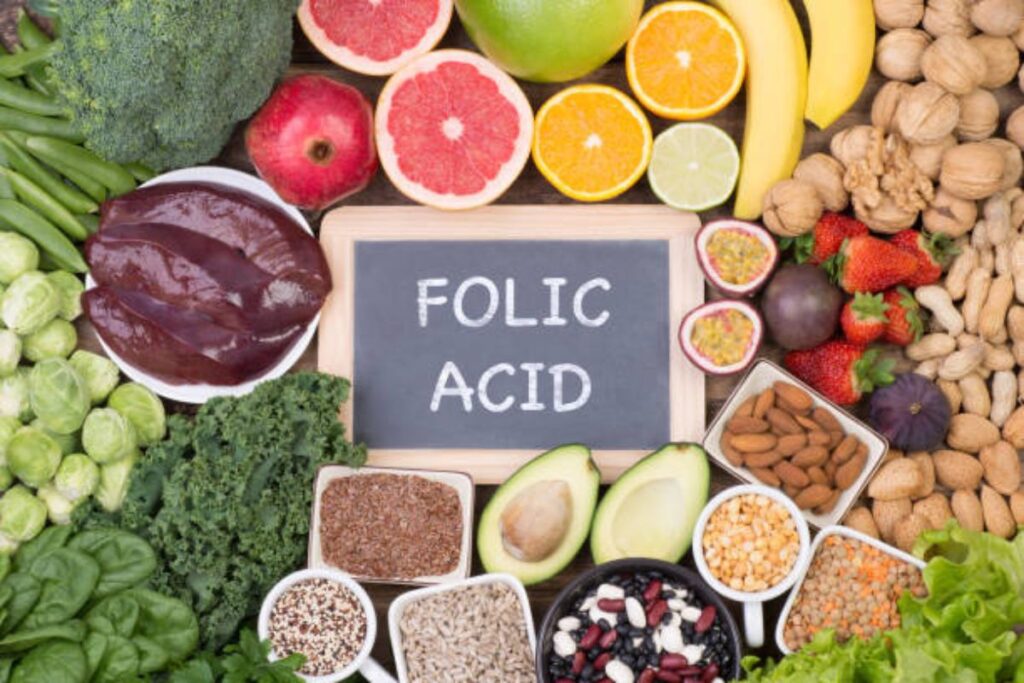
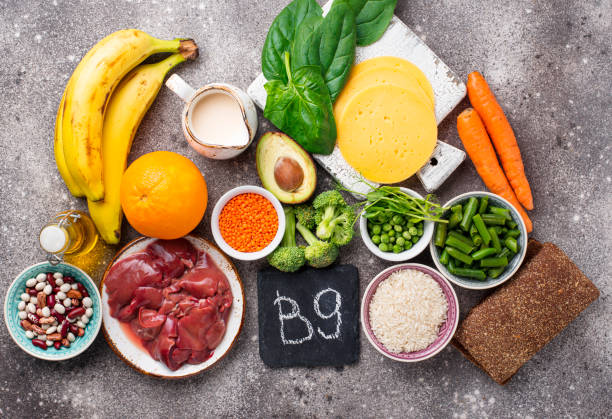
Folic acid, or vitamin B9, is essential for normal cell division and development, especially during pregnancy. Moreover, it’s vital for adequately forming a baby’s neural tube, which eventually develops into the spinal cord and brain. Likewise, the nutrient helps prevent severe birth defects such as spina bifida, anencephaly, and other neural tube defects.
The vitamin is present naturally in many foods, including leafy green vegetables, legumes, enriched cereals, beef liver, and some fruits and juices. It can also be taken in supplement form.
Folic acid works best when combined with other B vitamins like B6 and B12. In this regard, ensuring you get the right amount while pregnant is crucial to ensure your baby is healthy. Without enough folate, you may be at risk for preterm labour or low birth weight babies. Women should begin taking it as soon as they start trying to conceive and continue taking it throughout their pregnancy.
Why is folic acid important during pregnancy?

Folic acid has been present for centuries in traditional medicine as a treatment for various conditions, from anaemia to depression. However, most people associate it with pregnancy and suggest it for pregnant women for several reasons. Indeed, the nutrient plays a vital role in helping to prevent serious birth defects that can occur in the early weeks of pregnancy.
Reducing the Risk of Neural Tube Defects
The most crucial reason why pregnant women are encouraged to take this supplements is to reduce the risk of severe birth defects like neural tube defects (NTDs). Such congenital disabilities can have life-long consequences if not caught early enough. Studies have shown that taking 400-800 micrograms of Vitamin B9 daily before conception and throughout the first trimester can reduce the risk of NTDs by up to 70%.
Promoting Healthy Foetal Development
Folic acid is essential for proper foetal growth and development, as it helps to form red blood cells and aids in DNA synthesis. Vitamin B9 also helps to ensure normal tissue growth and organ formation in the foetus. Studies have also shown that higher folate levels during pregnancy can reduce the risk of preterm delivery.
Folic acid is not only beneficial for foetal health, but it is also essential for maternal health. Taking Vitamin B9 supplements during pregnancy can help to reduce the risk of maternal anaemia, improve cognitive function, and even reduce the risk of developing preeclampsia.
How much should I take during pregnancy?
The American College of Obstetricians and Gynaecologists (ACOG) recommends that pregnant women take 400 micrograms (mcg) of Vitamin B9 each day. This amount is found in most prenatal vitamins. Eating foods fortified with folic acid or containing naturally occurring folate, such as leafy green vegetables, citrus fruits, beans, and fortified grains, is also important.
Usually, experts recommend taking prenatal vitamins before you become pregnant. This will help ensure you get the proper amounts of Vitamin B9 and other nutrients to develop your baby’s spine, brain, and heart. If you are already pregnant and not taking a prenatal vitamin, talk to your doctor about starting one as soon as possible.
What are the side effects of folic acid during pregnancy?

In rare cases, taking too much folic acid can harm the mother and baby. In this regard, you should contact your doctor if you experience any of the following symptoms:
- Nausea and vomiting
- Stomach cramps or discomfort
- Appetite loss
- Difficulty sleeping
- Skin rash or itching
- Unusual tiredness or weakness
- Shortness of breath
- Yellowing of the eyes or skin (jaundice)
Of course, the causes of any of these conditions may have little to do with your nutrient intake. In this regard, it’s best to consult with a specialist to identify or confirm the issue and address it adequately.
Are there any natural sources of folic acid?

Folic acid is a water-soluble vitamin essential for a foetus’s healthy growth and development. While it is important to supplement with Vitamin B9 during pregnancy, natural resources can also suffice. Here are some of the best fruits and veggies to provide a balanced diet:
1. Dark leafy greens: Spinach, kale, collard greens, and mustard greens are all excellent sources of folate. A single cup of cooked spinach has about 266 micrograms of the nutrient.
2. Citrus fruits: Oranges, grapefruits, and lemons are all high in Vitamin B9. A single medium-sized orange contains about 80 micrograms of the vitamin.
3. Legumes: Lentils, beans, and peas are all good sources of folic acid. A single cup of cooked lentils contains about 358 micrograms of the vitamin.
4. Broccoli: One cup of boiled broccoli contains about 78 micrograms of folate.
5. Asparagus: A single cup of cooked asparagus contains about 134 micrograms of folic acid.
6. Beets: Beets are a good source of folate. A single cup of boiled beets contains about 136 micrograms of the vitamin.
7. Avocado: A single avocado contains about 90 micrograms of Vitamin B9.
8. Nuts and seeds: Almonds, sunflower seeds, and peanuts are all good sources of folic acid. A single ounce of almonds contains about 79 micrograms of the vitamin.
What should I do if I’m not getting enough folic acid?
Speaking with your healthcare provider is important if you think you are not getting enough folic acid during your pregnancy. Typically, they may recommend an over-the-counter supplement or a prenatal vitamin containing folic acid. Moreover, dietary changes may help increase your folic acid intake. Foods high in Vitamin B9 include leafy green vegetables, citrus fruits, and fortified grains. If possible, try to incorporate these foods into your diet. Finally, check the label of any supplements or medications you are taking. In some cases, they may interfere with the absorption.
Final Thoughts
Folic acid is an essential part of pregnancy nutrition. It’s important to ensure you’re getting the right amount of folic acid during your pregnancy to help ensure your baby’s health. Talk to your doctor to help you determine the right amount of folate. You can also get it through dietary sources like dark leafy greens, legumes, fortified cereals, and certain types of fruit. If you think you need more Vitamin B9, talk to your doctor or dietitian about supplementation. Whatever route you take to ensure you get enough folic acid, it’s essential for healthy foetal development and your baby’s health.
Images courtesy of unsplash.com and pexels.com