Testosterone is the most important male hormone, but it’s natural for testosterone levels to decline with aging. Even so, younger men, particularly those with health issues such as sleep apnoea, anxiety, or diabetes, may experience symptoms of low testosterone.
While there are different treatments for low testosterone, many men prefer to change their habits and start with a healthy lifestyle that can naturally start boosting their testosterone levels. Therefore, here are some useful ideas.
Consult a Professional

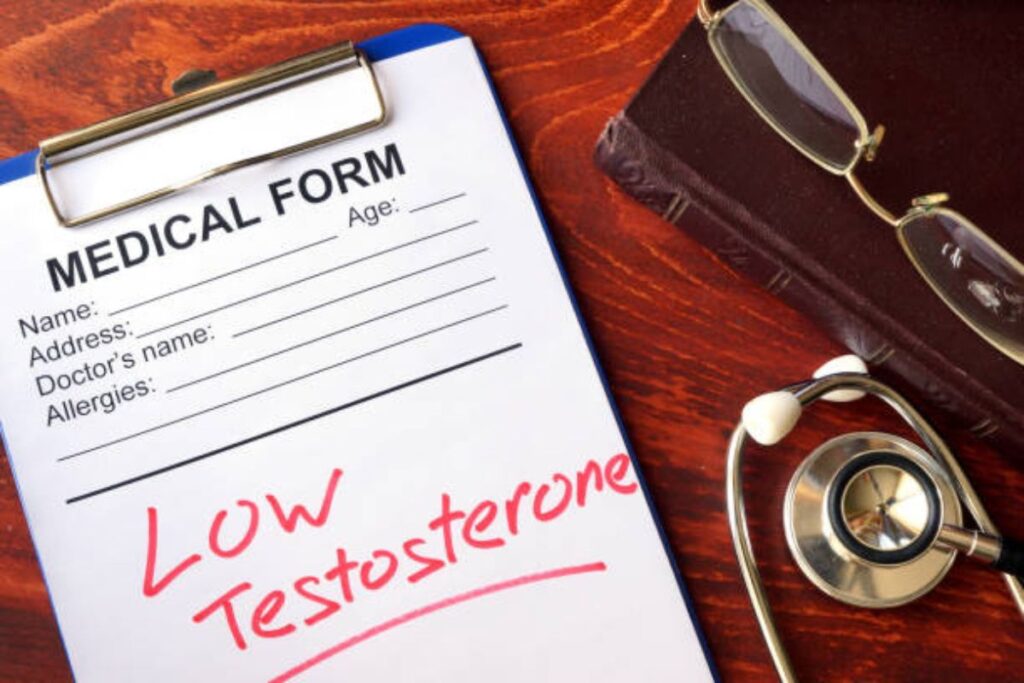
If you’re struggling with a low testosterone level, and it frustrates you, try taking some tips that will change your condition. Hence, opt for expert clinical research that can provide you with accurate data on hormone levels and the necessary changes to your lifestyle. There is a team of experts in this field who can do detailed examinations and educate you in detail about this topic. In that way, it will be much easier for you to adjust to certain changes in your lifestyle, and your testosterone level will boost in a natural way.
Get Enough Sleep

Lack of healthy sleep can affect the levels of hormones and chemicals that your body needs to function properly, including testosterone. Many studies have shown that after only one week of restricted sleep, testosterone levels can drop by up to 15%, demonstrating how important it is for your overall health. Your sleep should be a priority if you want to start boosting your testosterone levels naturally, so you should sleep at least seven or eight hours each night.
Maintain a Healthy Diet

The moment you realize that your testosterone level has lowered, think of the things that can help you boost it. The first one should be a proper diet because being overweight can contribute to a variety of problems. Additionally, research showed that overeating and yo-yo dieting disrupted hormone levels significantly, and this was most evident in people who are very active. For that, carefully plan your diet and include whole foods that offer a balance of proteins, fats, and carbohydrates. Eating a nutritious diet can keep your hormone levels balanced and promote long-term health. Apart from this, Fertility supplements for men can also help in this matter.
Reduce Stress


Just like sleep, stress influences an entire organism, including testosterone levels. When a person experiences stress, the body releases a hormone called cortisol, which helps the body prepare for and respond to stressful situations, and then the body goes back to normal. However, when a man suffers from chronic stress, it results in prolonged exposure to cortisol, which reduces the level of free testosterone. Although life can be stressful, you need to find coping mechanisms to lower it as much as you can. One of the ways to do that is to do something you enjoy or to be present and relax your mind and body.
Address Your Underlying Medical Condition
A low testosterone level is rarely a phenomenon on its own. It’s often connected to or caused by one or more underlying medical conditions that a man doesn’t even know he has. Sometimes, low testosterone can also be caused by medications you’re taking or a therapy you previously received.
Being evaluated by a doctor who specialises in men’s health can help you figure out which of the lifestyle changes might be essential for you, recommend testosterone treatment, or refer you to a specialist who can treat any underlying health condition. For instance, doctors added that if you have a low testosterone level, and you find it difficult to exercise because of chronic fatigue, start testosterone treatment that can make your lifestyle improvements easier to achieve.
Take Vitamins and Supplements

Numerous studies have shown that taking vitamin D supplements can correct a deficiency and contribute to increased testosterone levels. Food sources rich in vitamin D include salmon and other fatty fish or cereal products, so use them regularly. DHEA is a hormone that helps testosterone production, so as a man ages, his DHEA levels drop, as do his testosterone levels.
For that, include DHEA supplements in your nutrition because it is proven that these supplements produce small but positive effects on the body. Magnesium supplementation also helps return testosterone levels to normal, as does zinc. Magnesium- and zinc-rich foods include whole grains, leafy greens, and pumpkin seeds, so use them frequently.
Taking all these tips into consideration, it’s clear that following a nutritious diet and healthy lifestyle can help in the optimization of testosterone levels while promoting overall health. Remember that you need to be responsible for yourself and react on time because research shows a connection between low testosterone and increased disease risk, obesity, and premature death.
These are all healthy ways for boosting testosterone levels.
Images courtesy of unsplash.com and pexels.com