Being told you need to undergo any kind of medical procedure can be a worrying time. It can cause anxiety, fear, and uncertainty, and can leave you feeling worries about what may lie ahead.
Hearing that you need an MRI can be extremely concerning. One of the best ways to alleviate your fears is to learn as much about the process as possible. We’ve put together a guide with some of the most common reasons why a doctor might have booked you in for an MRI. Keep reading to check it out.
Cardiovascular Issues
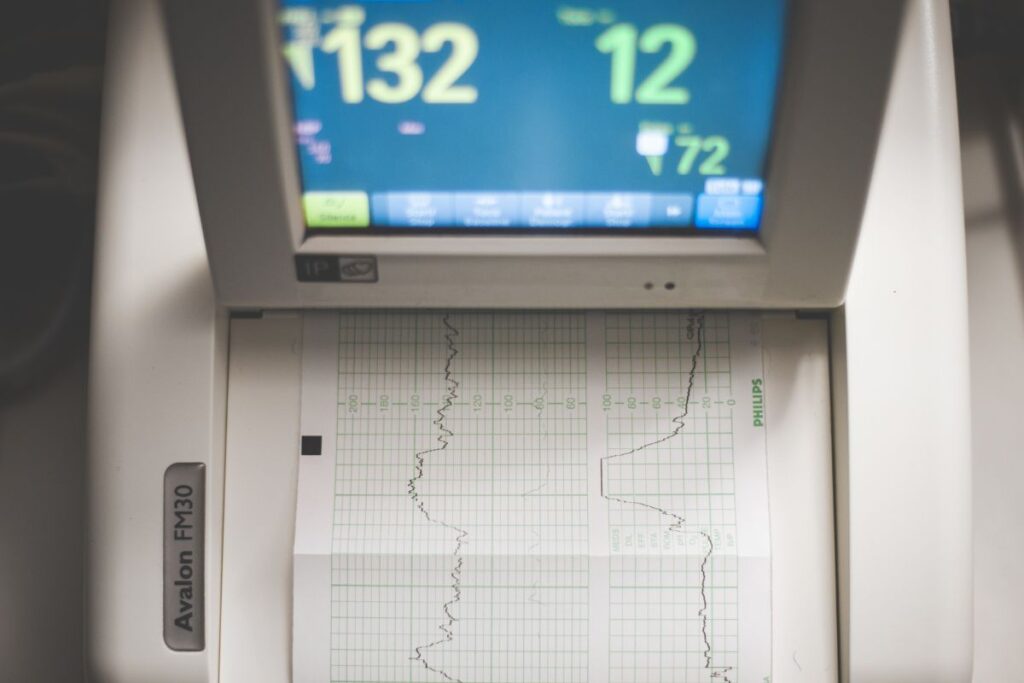
Most people have heard of an MRI, but few appreciate just how versatile a tool it is for medical professionals. Cardiovascular magnetic resonance imagining, often shortened as cardiac MRI or simply CMR, is the process of using an MRI scanner to examine and diagnose conditions relating to the heart and cardiovascular system.
CMR can be used to diagnose a range of different conditions and diseases, including congenital heart disease, coronary heart disease, and cardiac tumours. CMR is more accurate than traditional diagnostic methods, it can provide highly detailed images of the heart to aid doctors in their investigations.
Scans Of The Brain And Spinal Cord
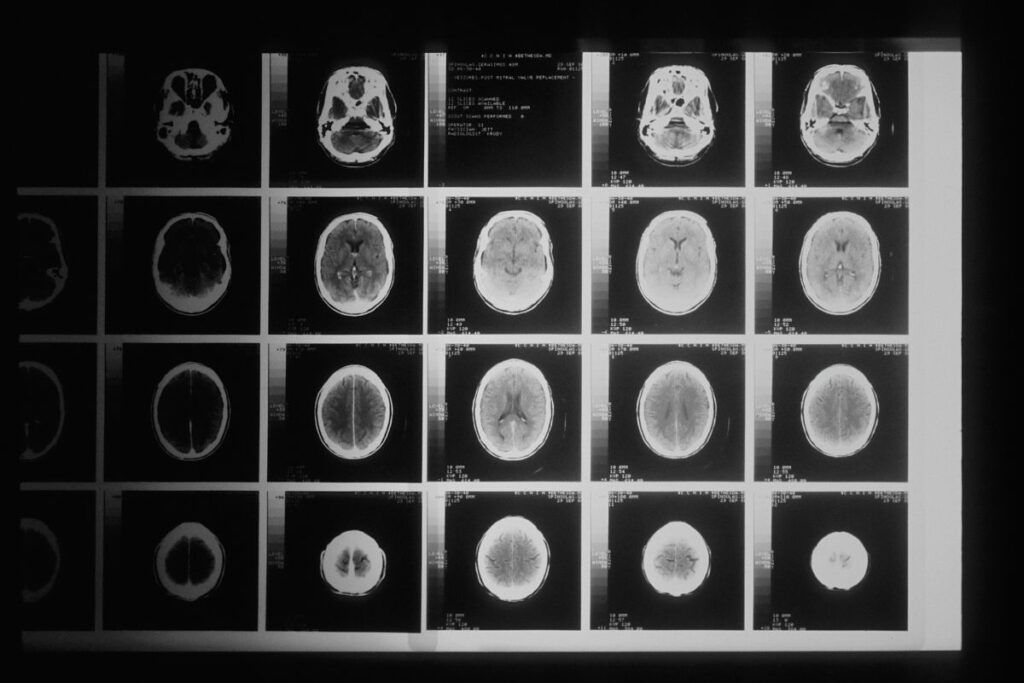
Scans of the brain and spinal cord are perhaps the most well known for an MRI. These scans can reveal a lot of information and can be used to diagnose a wide range of different conditions. These include things like strokes, tumours, brain injuries, aneurysms, spinal cord conditions, and multiple sclerosis.
MRIs of the brain have offered doctors and researchers an unprecedented insight into the function of the organ. It can be used to map blood flows and areas of activity and has been instrumental in the study of how the brain works.
Other Uses For An MRI Scan
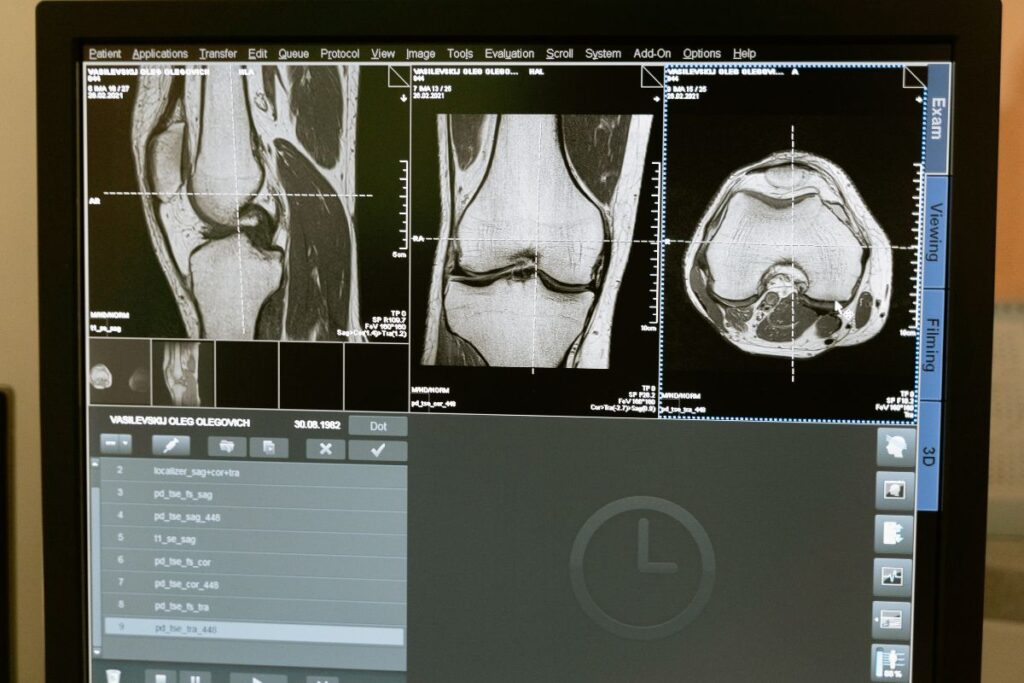
For the majority of cases, MRIs are used to exam the brain, spinal cord, or cardiovascular systems. However, they can be used for a range of further purposes and there are various reasons why your doctor might have booked you in to receive a scan. MRIs can be used to examine internal organs such as the liver, kidneys, or pancreas, and check for abnormalities including tumours. They are also useful for looking at bones, joints, and, muscles, where they can be used to assess the extent of damage caused by trauma or accidents.
Conclusion
If you’ve been to see your health practitioner and they have told you that you’re going to need an MRI, feeling worried or anxious is totally normal. However, you should strive to learn as much as you can about the process before your appointment arrives. Knowing what an MRI is used for can help alleviate your fears and demystify the process. It can help you know what to expect as you head in for your scan. MRIs aren’t as scary as they sound. They are a relatively simple procedure that is pain-free and you should be able to leave straight away after your scan has been completed.
Images courtesy of unsplash.com and pexels.com