Being a landlord can be rewarding, but it also goes beyond providing space for rent and earning from it. Being a landlord puts several responsibilities on you to ensure that you provide your tenant with a safe, secure, and healthy living environment.
When putting up your property for rent, you need to know what responsibilities are required of you by law and in the spirit of fairness. Observing these will make your tenants happy and satisfied while keeping you from a costly lawsuit. So, if you’re considering putting up your space for rent, here are your top responsibilities of a landlord.
Addressing maintenance issues on time
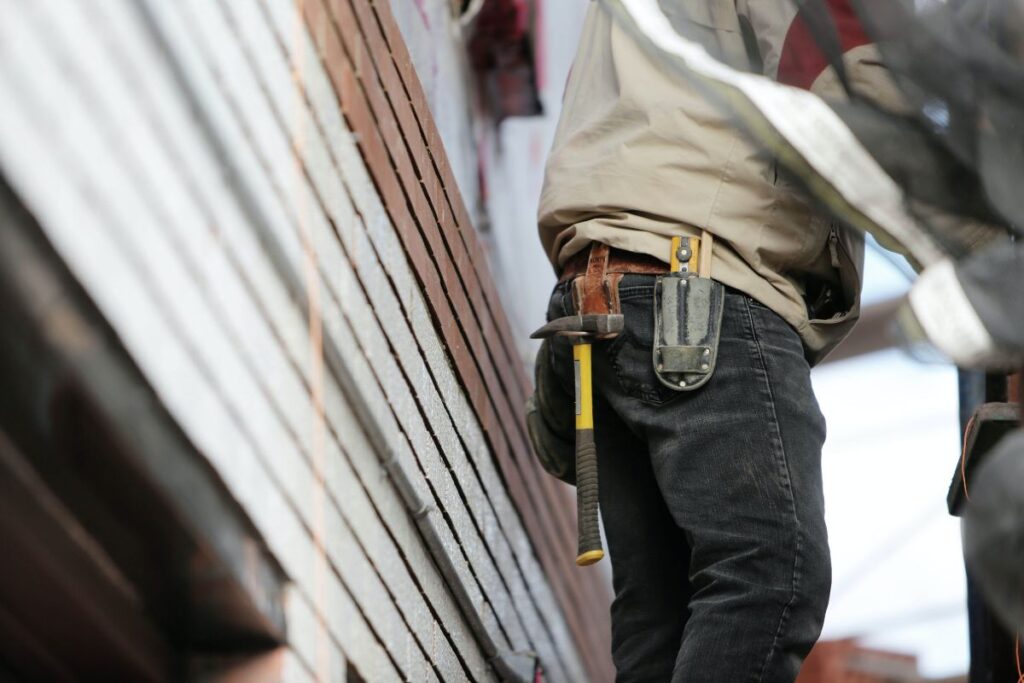
Lack of proper maintenance can send your property into disrepair, which can affect your tenants. The longer you wait to address maintenance issues, the more you put your tenants at risk of safety and health issues. Every landlord is responsible for ensuring that they address all maintenance issues on their property, even if such issues are not pressing.
A rental inspection checklist for landlords can be particularly helpful in ensuring that maintenance issues are identified and addressed promptly.
Some basic maintenance issues include eliminating sources of toxins, lighting up common areas, ensuring structural integrity, and keeping windows and doors secure. Since cleaning is one of the most common causes of landlord-tenant disputes, you need to cover it as one of your maintenance issues. Consider working with expert cleaning services experienced in pre-tenancy and end of tenancy cleaning after a tenant leaves and before a new tenant moves in. Additionally, implementing a rent guarantee can provide landlords with peace of mind, ensuring rental income even if maintenance issues temporarily affect occupancy.
Managing your tenants
You are responsible for managing your tenants professionally, cordially, and respectfully. You want to ensure that you peacefully coexist with your tenants as much as possible. Some steps can help you achieve that. It would help if you screened your tenants to be sure you’re letting the ‘right’ people into your property. Take the time to conduct background checks and interview applicants before accepting anyone. Also, you need a lease agreement that will spell out all lease responsibilities between you and your tenant. You can then evict any tenant that goes contrary to what’s stated in the agreement. You also need to establish a mechanism to set and collect rent in a way that will not lead to misunderstanding or conflict.
Evictions
Landlords are responsible for evicting their tenants should the worst-case scenario happen. However, eviction should follow all local requirements and state laws. In most cases, as a landlord, you’re supposed to find other ways to resolve the situation before considering an eviction. The first step to any eviction is to notify the tenant that they have not lived up to their side of the lease agreement. The second step is to offer them a chance to rectify the situation. If everything fails, an eviction notice should follow at least 2 months before the eviction.
Ensuring the property is safe and secure
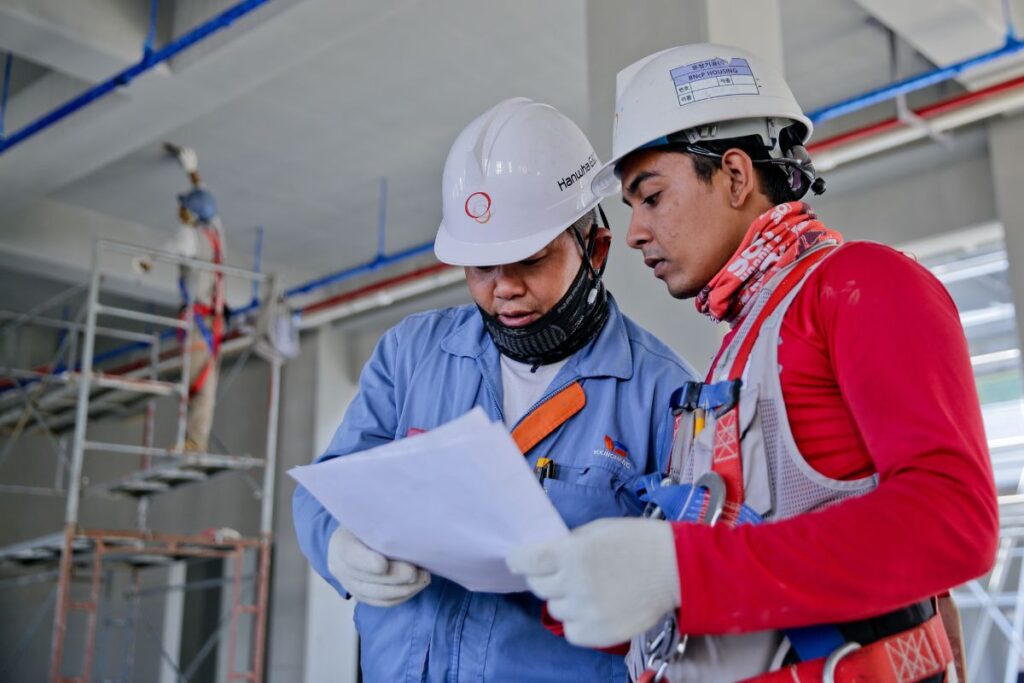
You should ensure that your property is free from all safety hazards, including smoke, gas, and fire. The best way to ensure this is to have a safety expert or professional visit your home and guide you on the necessary safety standards. After identifying any issues that need to resolve, it’s best to attend to them as soon as possible to prevent any injuries.
Images courtesy of unsplash.com and pexels.com