There’s more to any concert than the performers onstage. Depending on the scale of the production, there might be a small army of behind-the-scenes assistants, from lighting technicians to monitoring engineers to stage managers.
For a sufficiently large event, the importance of concert stewards is difficult to understate. These are the people who help to ensure that the audience is able to enjoy the concert safely. But they can only do this effectively if they’re equipped with the right tools, and supported by the right training.
What does a steward do?

A steward is a person with a variety of different roles, whose purpose is to ensure the smooth and safe running of the event. In the best case, they’re able to perform this function without imposing themselves. In short, the audience should be able to benefit from the presence of the stewards without ever noticing them.
A steward will manage the people who enter the premises, dealing with disruptive behaviour and conducting searches (provided that they have the right qualifications). Stewards are there to control the number of people in the venue, which can be a significant safety concern. In the event of a fire or other emergency, they might also help to direct audience members toward emergency exits.
So, exactly where does the right training help a steward to perform these duties?
Clothing

Stewards should be clearly visible to members of the audience – even when the venue is darkened and the only lights are coming from the stage, the bar, and the emergency exit signs. To be visible in this kind of environment often requires wearing high-visibility vests. What’s really important, however, is that uniforms worn by all staff members are easy to distinguish.
Crowd Management
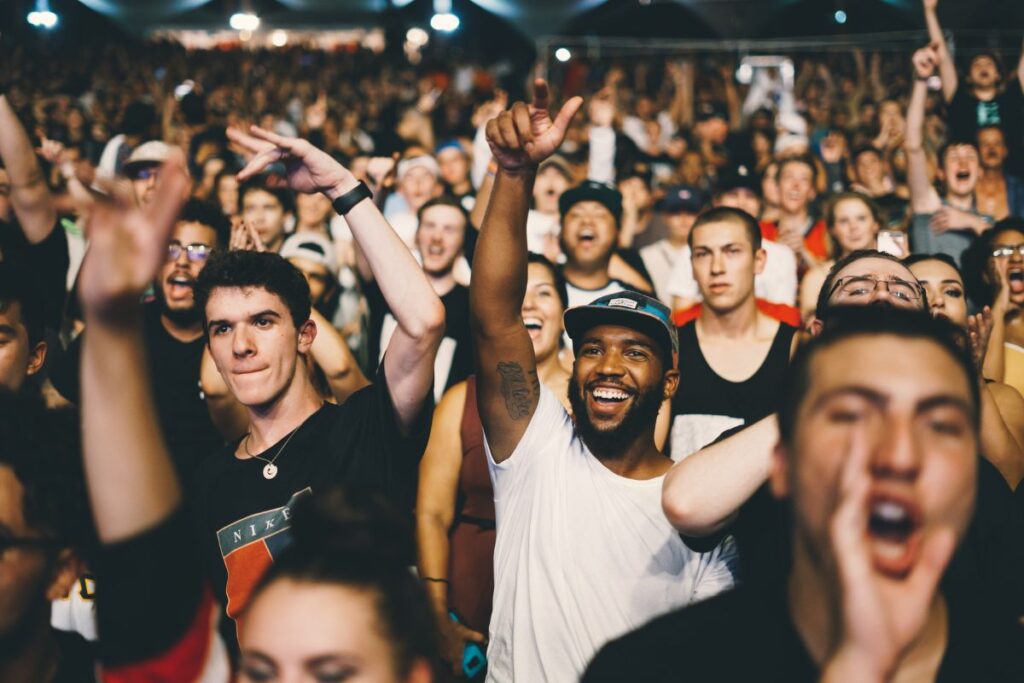
Ushering members of the public is something that requires a certain kind of personality, experience and training. In some cases, the seating arrangements at a venue might require a particular approach, with teams of concert stewards directing audience members to a given wing of a stadium, then a tier, and finally a row and the seat.
Coordination between everyone will help to avoid confusion and ensure that members of the audience don’t become lost. When thousands of people are still milling around frantically as a performance is about to start, the results can be catastrophic. As such, a broader awareness of how every given staff member fits into the broader system can be hugely helpful.
Health and Safety
A steward should be trained to identify and react to potential health and safety hazards. These might include spillages, fires, and medical emergencies. Often, stewards might have a role to play in providing first aid, too. This is something that they will only be able to do if they have the required training.
Images courtesy of unsplash.com