When you’re starting out as a musician, it can be tough to know what you need to do in order to have a successful gig. You might not have the money to invest in expensive equipment, and that’s totally understandable.
In this blog post, we will discuss six essential things that you need for a good gig. We will also provide some tips on how to make do with what you have, and how to save money in the long run. With these tools, you’ll be on your way to putting on an unforgettable show!
1) Choose Your Venue Wisely
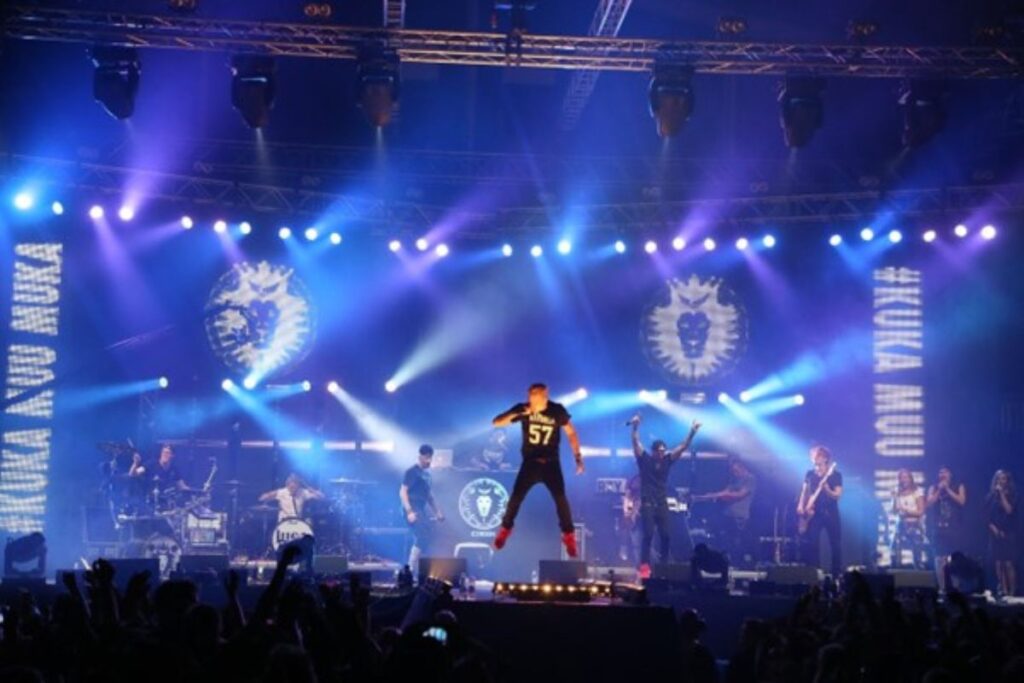
The first step to having a great gig is to choose your venue wisely. You want to make sure that the venue is appropriate for your type of music. If you’re a heavy metal band, for example, you’re not going to want to play at a jazz club. Likewise, if you’re a folk singer, you might not feel comfortable performing at a rock club. Also, you can find many London stage hire options that are perfect for small gigs. Do your research and pick a venue that will be welcoming to your style of music.
2) Invest in Good Quality Equipment
Investing in good quality equipment is essential if you want to put on a great show. Your instruments and sound system need to be able to withstand the rigors of live performance. If you don’t have the money to invest in top-of-the-line equipment, try to find the gently used gear that is still in good condition. You can also look for deals on musical instruments and sound systems online. Instruments you will need for a good gig include:
Guitars
Basses
Keyboards
Drums
Microphones
Amplifiers
3) Promote Your Show

If you want people to come to your gig, you need to promote it! Make sure to put up flyers around town, and promote your show on social media. You can also take out ads in local music publications. Additionally, make sure to send out press releases to local media outlets. The more people you can get to come to your gig, the better chance you have of having a successful show.
4) Rehearse, Rehearse, Rehearse!

Before your gig, it’s essential that you rehearse as much as possible. This will help to ensure that you and your band are tight and ready to perform. You don’t want to get on stage and make a bunch of mistakes! Rehearsing will also help you to memorize your set list and keep the flow of the show going smoothly. For example, if you’re playing a three-hour set, you don’t want to start running out of material halfway through. Or, if you’re playing with a new band, you’ll want to make sure that everyone knows their parts and can play them confidently. This is why rehearsing is so important!
5) Arrive Early and Set Up
Make sure to arrive at the venue early so that you have plenty of time to set up. This way, if there are any problems with your equipment, you’ll have time to fix them before the show starts. Additionally, setting up early will help you to calm your nerves and get into the performance mindset. This way, when it’s time to take the stage, you’ll be ready to go! So, don’t be late!
6) Interact with the Audience

One of the most important things you can do during a gig is to interact with the audience. This will help to create a connection between you and the people who are watching you perform. For example, you can talk to the audience between songs, or dedicate a song to someone in the crowd. If you make an effort to interact with the people at your gig, they’ll be sure to remember you and will be more likely to come to see you again. Also, don’t forget to take advantage of the encore – it’s a great opportunity to further connect with your fans! Encore is a French word meaning “to finish.” It’s pronounced “ON-kor” and in music, it refers to an extra performance that a band or musician gives at the end of a concert after the audience has applauded and called for more.
Putting on a great gig doesn’t have to be expensive or difficult. By following these tips, you’re sure to have a successful gig! Just remember to choose your venue wisely, invest in good quality equipment, promote your show, rehearse as much as possible, arrive early and set up, and interact with the audience. With these tools, you’ll be on your way to putting on an unforgettable show!
Images courtesy of unsplash.com