The UK has always been a nation of avid DIYers but even more so since the COVID-19 pandemic.
If you’re looking to join the rest of us and try your hand at DIY then hopefully these few tips will be a good starting point!
PPE
With around 200,000 people being sent to the hospital due to DIY accidents each year, it is important to take safety precautions to reduce your risk of injury. The PPE that you need will depend on the type of project you are undertaking.
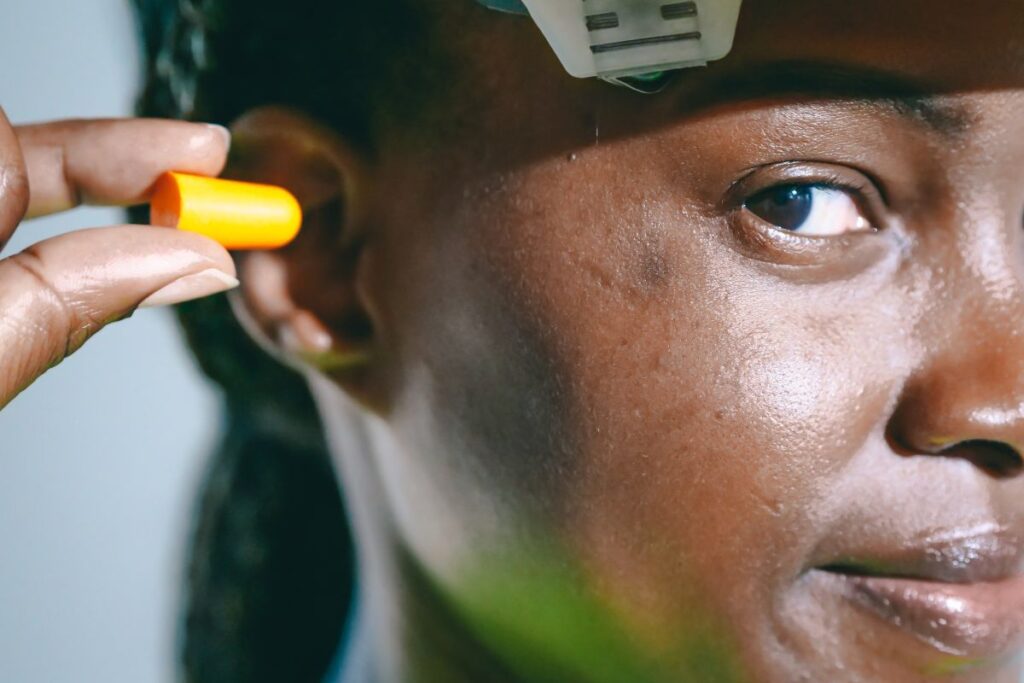
When working with electric tools, such as drills, sanders and saws, you should consider ear plugs. The danger of noise-induced hearing loss starts at 80 dB(A), and with a mere hand drill hitting 98 dB(A), taking precautions to protect your hearing is very important, particularly if your project spans many hours.

For many DIY jobs, if they are likely to create dust or involve aerosols, you should be wearing a dust mask. There are 3 types of protection with the highest being FFP3. These masks protect you from both toxic and non-toxic dust and particles as well as radioactive and biochemical active aerosols. This ensures that you aren’t inhaling dangerous particles such as cancer-causing asbestos while carrying out work in your home.
Preparation
Lists are a DIY-er’s best friend. From dividing your project into stages to noting down all the materials you need, having a plan is a surefire way to make sure your DIY project runs smoothly. Search for a DIY resource for home improvement projects online for tips on how to prepare.

In your plan, you should factor in an extra one of each important material in case of an accident or damage. For example, if you are fitting new flooring, floor manufacturers usually recommended that you buy more flooring than necessary, sometimes as high as 20% more than you need.
Some jobs, like kitchen renovations, could take a few months so you may need to account for extra help or time off work. So if you’re faced with a big project, you might want to think about if you’ll do it alone or recruit some friends for help.
Tools
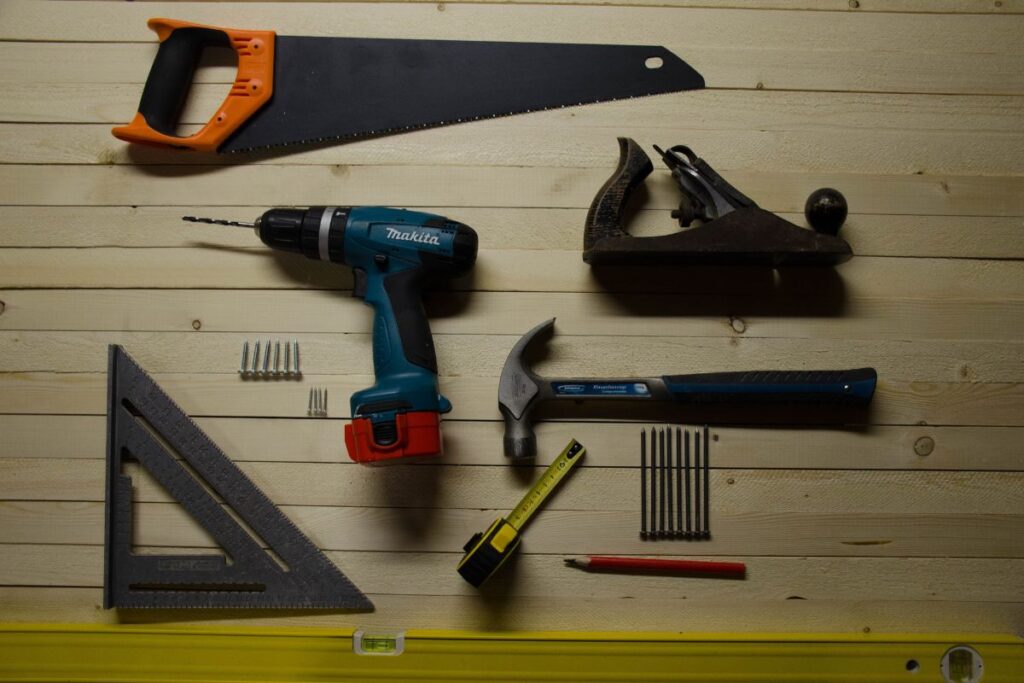
Once you know what materials you need, you can begin to identify what tools you will need for the job. You can buy these tools outright, look to borrow them from friends or even hire them from your local homeware store.
For tools that you will use as a one-off, it’s probably worth borrowing or renting, but there are some toolkit essentials that you may want to invest in if you’re planning on doing some more projects. These include, but are not limited to, measuring tapes, a combi drill, a multi-tool, levels and a stud finder. With these in your inventory, you should be set for any smaller DIY jobs you come across in your home like putting up shelves or creating the gallery wall of your dreams!
Images courtesy of unsplash.com and pexels.com