Lack of sleep is the real deal. If you have ever experienced a broken nights sleep, you know how irritable and grumpy you can be in the morning. Your child is no different.
Consistency and boundaries are all part of establishing a good bedtime routine for your child. However, sticking to some of the fundamental basics before bedtime will not only get your child used to what is expected of them, but it will help their body and minds prepare for sleep more naturally too.
Not quite sure where to start? Here are some handy tips to help you create a more consistent bedtime routine for your child:
Stick to a bedtime

Consistency starts with the parameters you set as a parent. Typically that means sticking to a strict bedtime every night and organising all your pre-bed routines to build up to that moment. That way, as your child gets older, you can adjust the parameters according to their age.
According to the experts, there are approximate sleep times suitable for each stage:
- Babies 4 to 12 months old: 12 to 16 hours including naps
- Toddlers 1 to 2 years old: 11 to 14 hours including naps
- Children 3 to 5 years old: 10 to 13 hours including naps
- Children 6 to 12 years old: 9 to 12 hours
- Teens 13 to 18 years old: 8 to 10 hours
If your child needs help waking up in the morning, likely, they haven’t had enough quality sleep throughout the night. By simply adjusting their bedtime by 15 minutes, it can make all the difference and ensure that their mental wellbeing doesn’t suffer in the long term.
Have a set order
Routines shape our lives from such a young age. They allow us to know what to expect from typical situations and prepare us for working life as an adult. From the moment you wake to the moment you rest your head at night, each day has a rhythm to it, and for your child, that helps make them feel confident and secure in their surroundings.
Having a set routine or order of events leading up to bedtime will ensure that the whole family’s evening runs more smoothly. For example, your child’s routine may look something like this:
- Unwind with colouring, a good book or talking together about your day
- Have a warm, relaxing bath
- Brush teeth
- Get dressed into pyjamas
- Last toilet stop or nappy change
- Snuggle up and read a bedtime story
- Final goodnights
Create a calming space
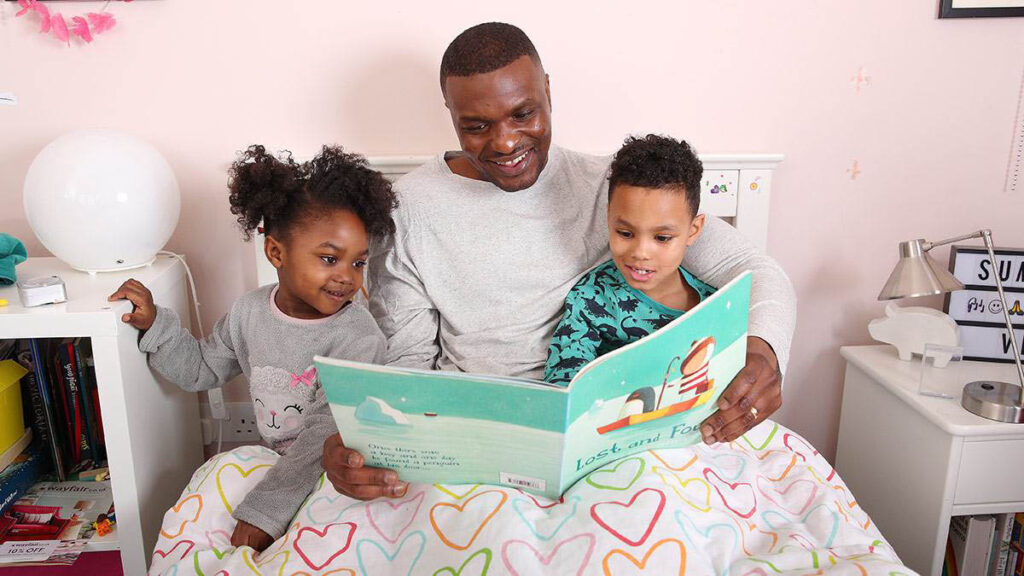
Loud, bright colours certainly have a place, but your child’s bedroom may not quite cut. Instead, dim, soft lighting matched with muted colours can all create a more calming space perfect for sleep.
What’s more, the less light there is in your child’s bedroom, the more their body produces the sleep-inducing hormone melatonin.
If your child is at a reading stage, let them quietly read a good book before bed or listen to some quiet relaxing music to make them feel at peace as they drift off.
Don’t neglect dental hygiene

It’s easy to give in to a child who wants their bed more than their desire to brush their teeth. But, missing out on essential dental hygiene can have much more severe consequences to your child’s overall oral wellbeing.
With dentists recommending that everyone, regardless of their age, brush their teeth at least twice a day for two minutes, it’s undeniably a part of your child’s routine that shouldn’t be missed.
Even newborns need to have healthy gums so that their milk teeth can thrive before their adult teeth later come in. You see, as soon as milk enters your babe’s mouth – breast or formula – sugary deposits are left to swill around their gums. When left alone, the sugars can grow harmful, stinky bacteria that can lead to further complications such as decay and gum disease.
However, with a simple wipe of their gums with a fresh cloth or a specially formulated dental wipe, you can help keep your little one’s mouth free of harmful germs.
Whether you need to invest in a brightly coloured, character design brush or an electric toothbrush for kids for peace of mind, your child will be more willing to brush if they have a say in which toothbrush they use. Offering three different options will encourage them to take ownership too, which will ultimately boost their confidence.
Switch off any screens
Remember that wonderful sleep-inducing melatonin we mentioned earlier? Well, screen time before bed disrupts the production of the hormone. The light from a screen can trick your mind into thinking it’s daytime, and therefore interfere with your sleep. For a child, the effects can be more heightened by the bright, swirling colours of their favourite TV show before bed.
Keeping your child’s bedroom a screen-free zone will encourage a better nights sleep. The NHS also recommends switching off screens at least an hour before bedtime. Instead, encourage your child to do a calm activity such as reading, colouring or a shared game.
Ensure your child feels safe

If your child has experienced something troubling in their day, such as a scary TV show or had a run-in with the class bully, likely, they won’t feel safe at night. Some bedtime fears can be solved with a night light, but others need a bit more to help them feel secure.
For younger children, they might want you to stay nearby or even in their bedroom, which in the long run isn’t helpful to either of you. However, starting off small and staying just next door or down the hall will help build up their confidence. You may also want to buy your kids the cutest stuffed toy online so they can cuddle or tell them a soothing story before bed.
Rewarding bravery with a sticker or treat will also encourage your child to stay in their room and try and sleep too. Besides this, make sure you avoid any scary stories or television before bed to ensure they get the best chance of a good night’s sleep.
Are you ready to get a better nights sleep? Setting up consistent routines and boundaries for your child will not only boost their confidence and feelings of safety, but it will ensure your child has all the energy to start their day.