Plenty of people fall for Pilates on the mat and start wondering if it could be their job. Here’s what really changes when you’re the one leading the class.
You’ve found a Pilates class you love, a teacher you trust, and an hour that resets your whole week. At some point, usually during a Monday meeting, you start to wonder what it would take to do it for a living.
The honest answer is that teaching is a different job. You’re no longer focused on your own breath and alignment. You’re watching 12 bodies at once, spotting the dodgy knee, the over-arched lower back, and the person struggling at the end of the row.
It’s not a nine-to-five, either.
Choosing between Mat and Reformer
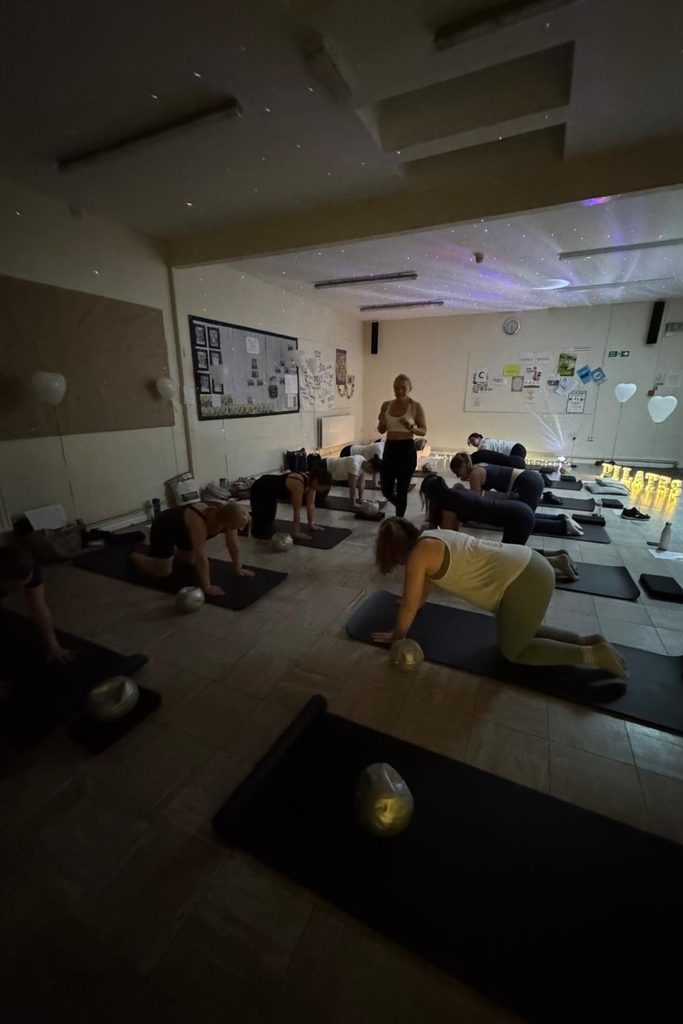
New instructors start with a Level 3 Mat Pilates qualification. It covers the foundations of Pilates: anatomy, class planning, and how to cue exercises using only your voice.
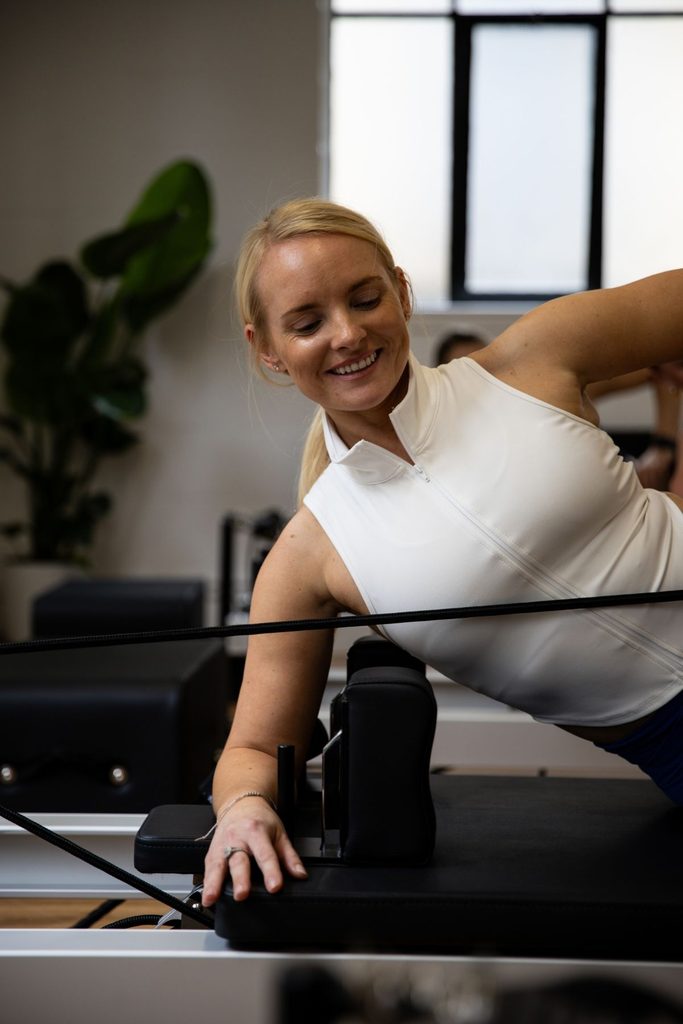
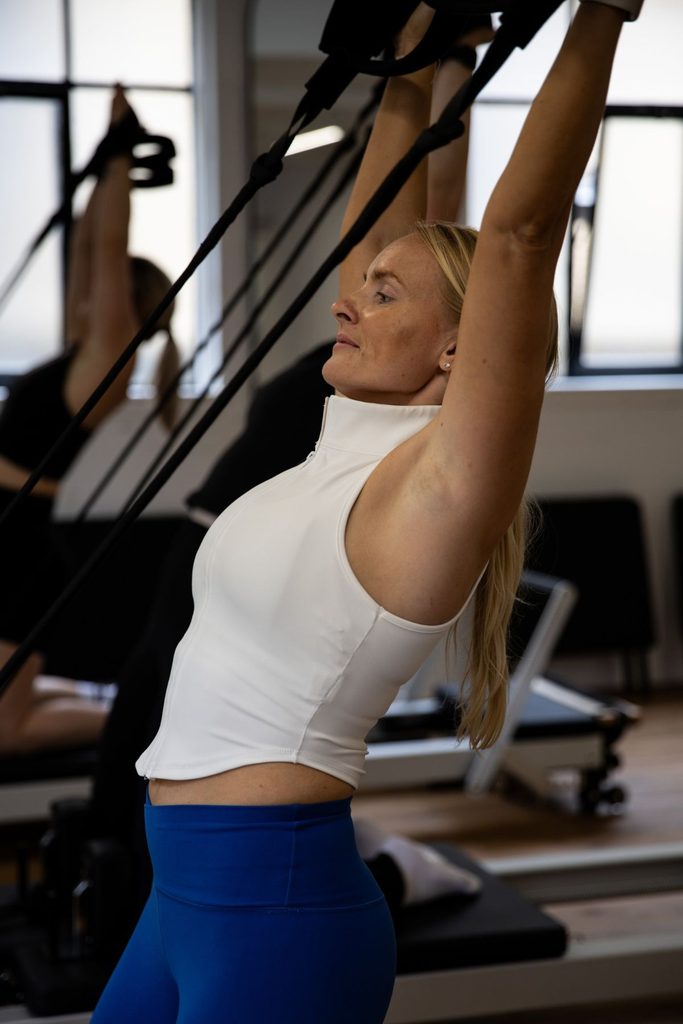
Level 3 Reformer Pilates adds the equipment, with springs, straps, and a sliding carriage that change how every exercise loads the body. That’s where the demand is. Reformer studios are opening across the UK faster than qualified instructors are coming through, and many are recruiting.
Fitting training around the job you’ve already got
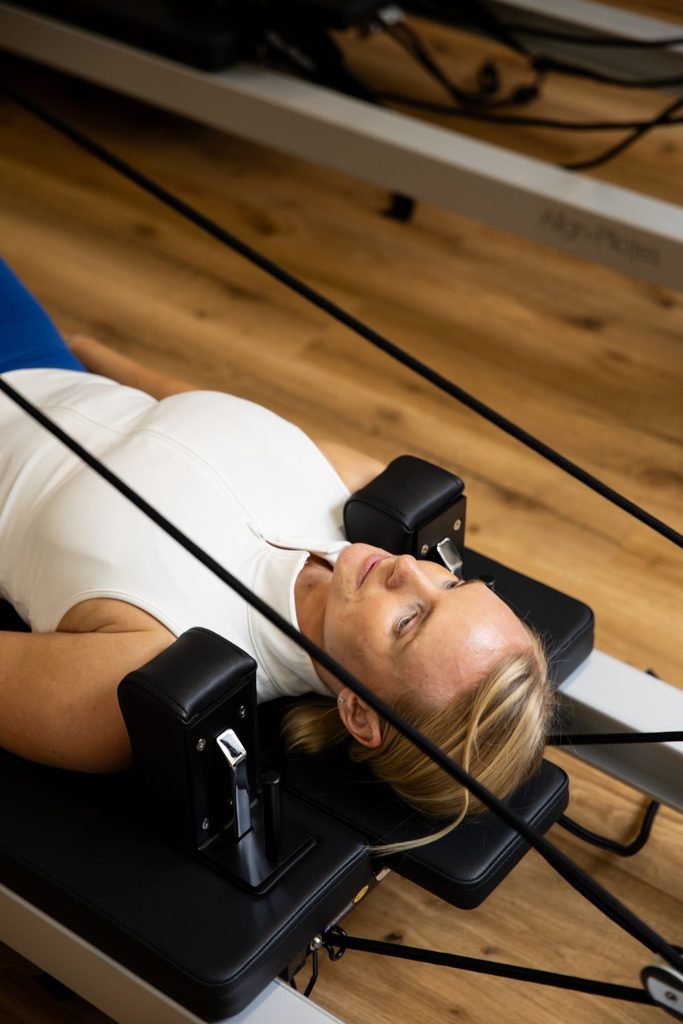
You don’t have to quit first. Most courses offer self-paced online study for evenings, in-person practical assessment days with a tutor sometimes held on the weekend, or a mix of the two.
The bigger hurdle is the practical side, where you plan and teach real sessions and are assessed on them. A few providers can now assess Mat Pilates by video, so you have the option to film your teaching and submit it rather than taking leave for an exam day.
What happens after you qualify
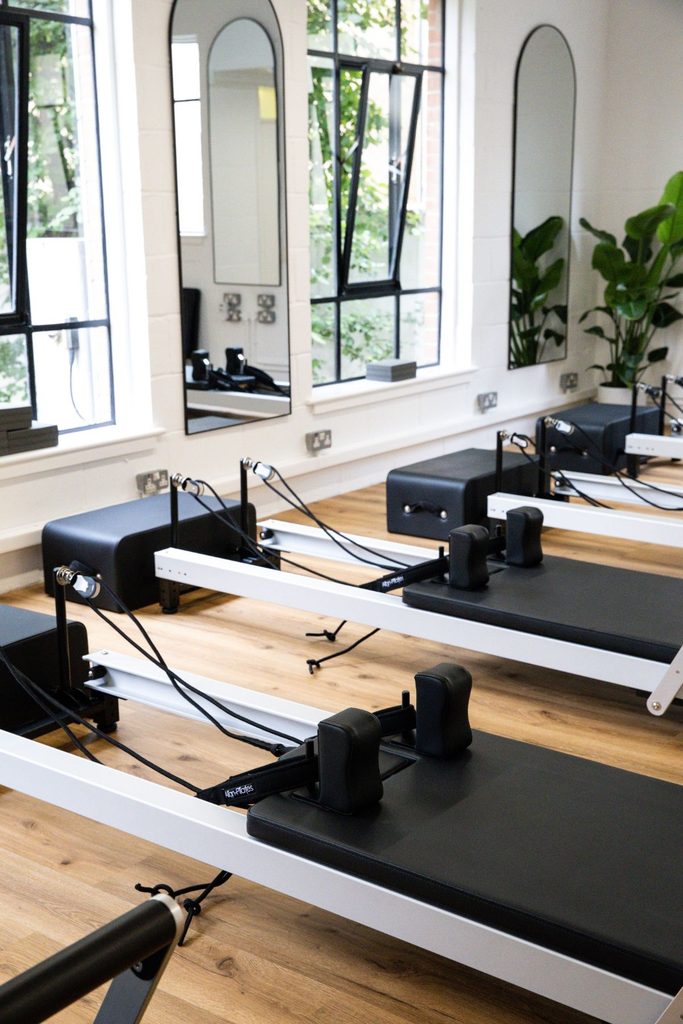
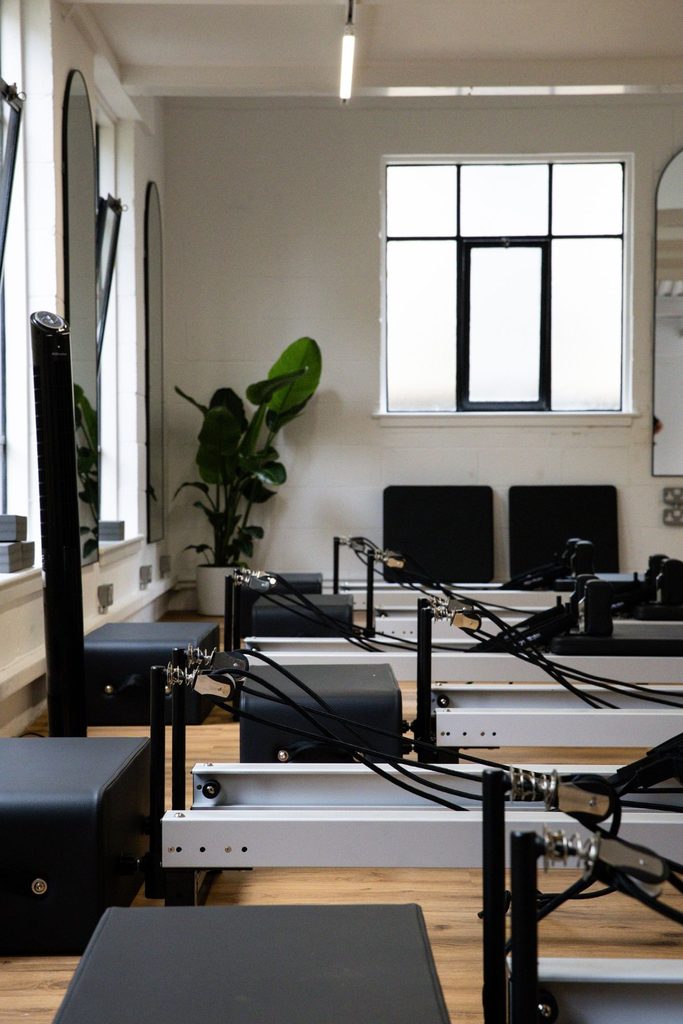
Qualifying is the start of the work. First, get insured. Then get your name on studio cover lists. Covering other instructors’ classes is how most new teachers build confidence, references, and a reputation, and cover often turns into a regular slot.
From there, you’re building a timetable you can live on, so business skills matter as much as technique. The Fitness Group, which runs accredited Pilates instructor training and a Level 3 Reformer Pilates course with in-person (or self-filmed for Mat Pilates) assessed practical’s, also builds business skills and employer links into its courses, taught by experienced tutors who will support you to get industry ready.
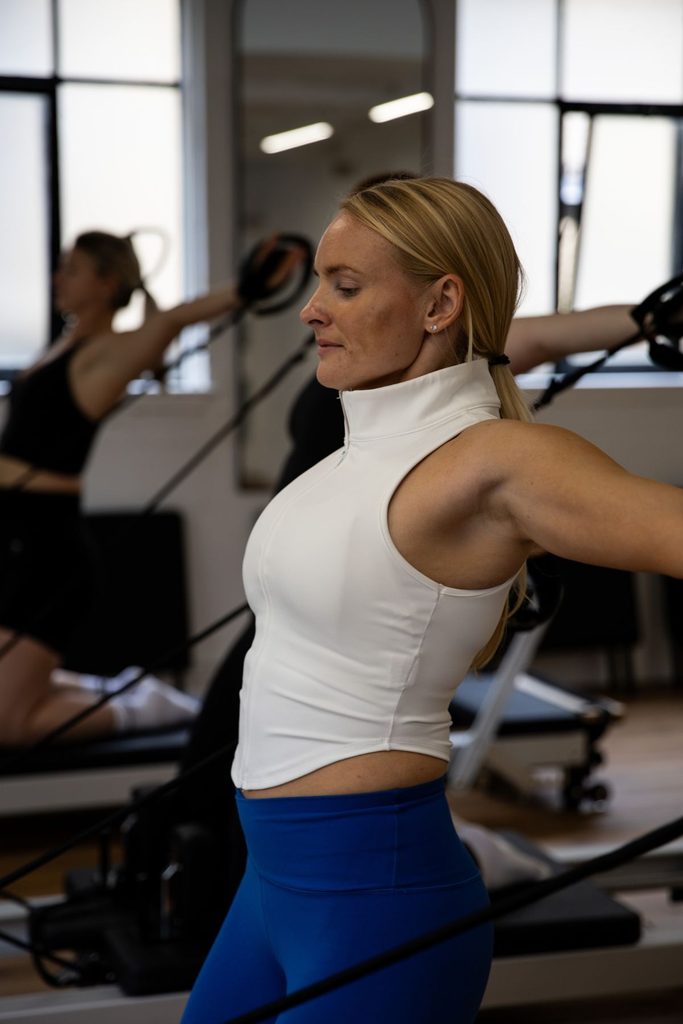

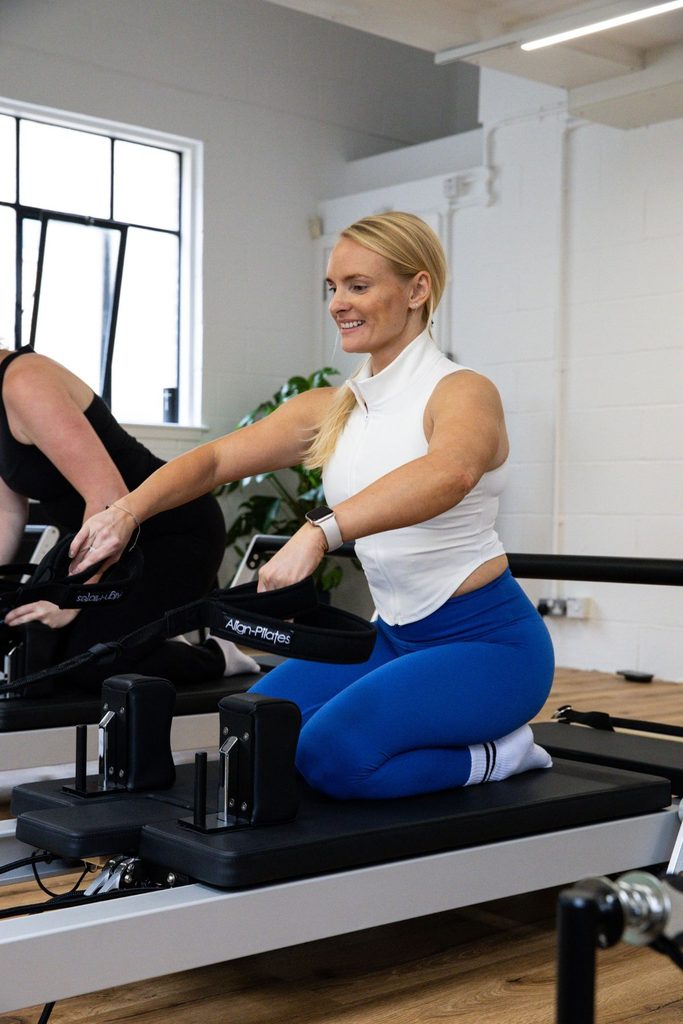
Whichever provider you choose, ask how practical’s are assessed and what support you’ll get once you’ve qualified. Those two answers will tell you more than any course outline.
Reviewed by Jodie Myers, Head of Education at The Fitness Group.
Jodie is a group fitness specialist, tutor, and assessor. She’s taught Mat and Reformer Pilates, indoor cycling, HIIT, aqua, circuits, and exercise to music, adapting every session to the abilities in the room. She also runs her own Pilates business, so she knows first-hand what it takes to turn qualifying into a working career.
Images supplied