Lasers are now a common answer to stubborn fat. Before you book, it helps to know which kind you’re looking at and what to expect from it.
Most people who start looking into laser fat removal have the same problem. They’re reasonably active, they eat sensibly, and there’s still one area that won’t change. The stomach and flanks are the usual suspects, followed by the thighs and upper arms.
The trouble is that “laser fat removal” covers several very different treatments, and the term on its own doesn’t tell you much. Here’s how to make sense of them.
Three different things under one name
The first is laser-assisted liposuction. It’s surgery: a thin tube is inserted under the skin, a laser helps break up the fat and it’s suctioned out. It needs local or general anaesthetic and comes with recovery time.
The second is heat-based, non-invasive treatment. These devices warm the fat layer through the skin to damage fat cells, which the body then clears over the following weeks.
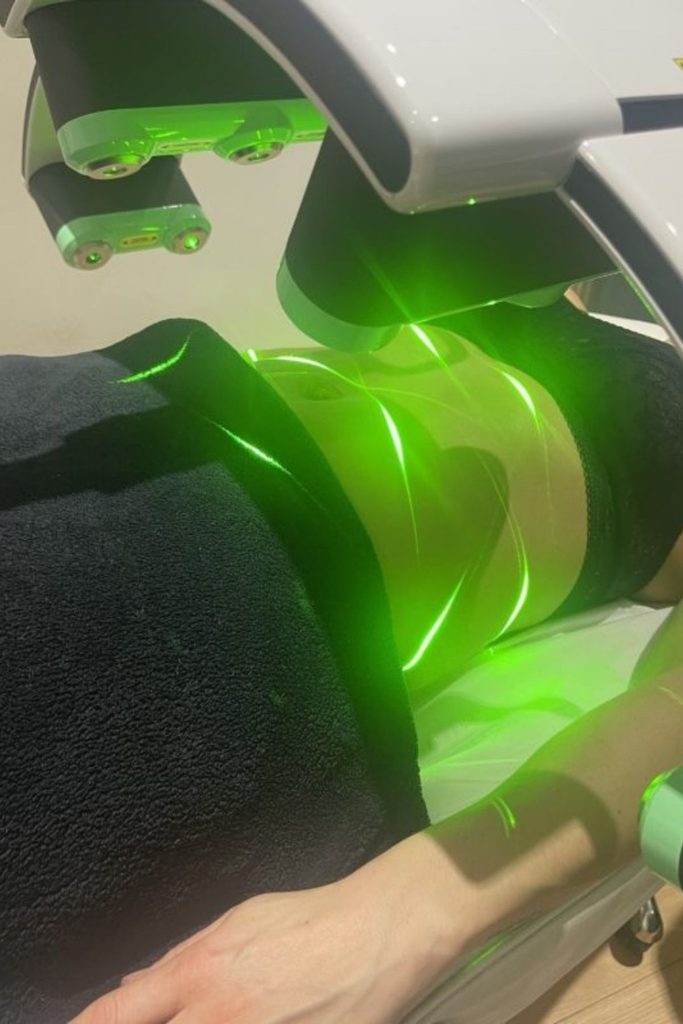
The third is low-level laser treatment, which uses no heat at all. The best-known example is the Emerald laser, which is FDA-cleared for reducing body circumference. Its light is absorbed by fat cells and opens temporary pores, letting some of the stored fat out to be cleared by the lymphatic system. The fat cells get smaller but stay in place.
When a clinic talks about laser fat removal, ask which of the three it means. The answer changes almost everything about the experience.
What a low-level laser can do
A non-contact device like Emerald can reduce circumference in areas that haven’t responded to diet and exercise. Several areas can be treated in one appointment, sessions take 15 to 30 minutes and there’s no recovery period, so most people go straight back to work.
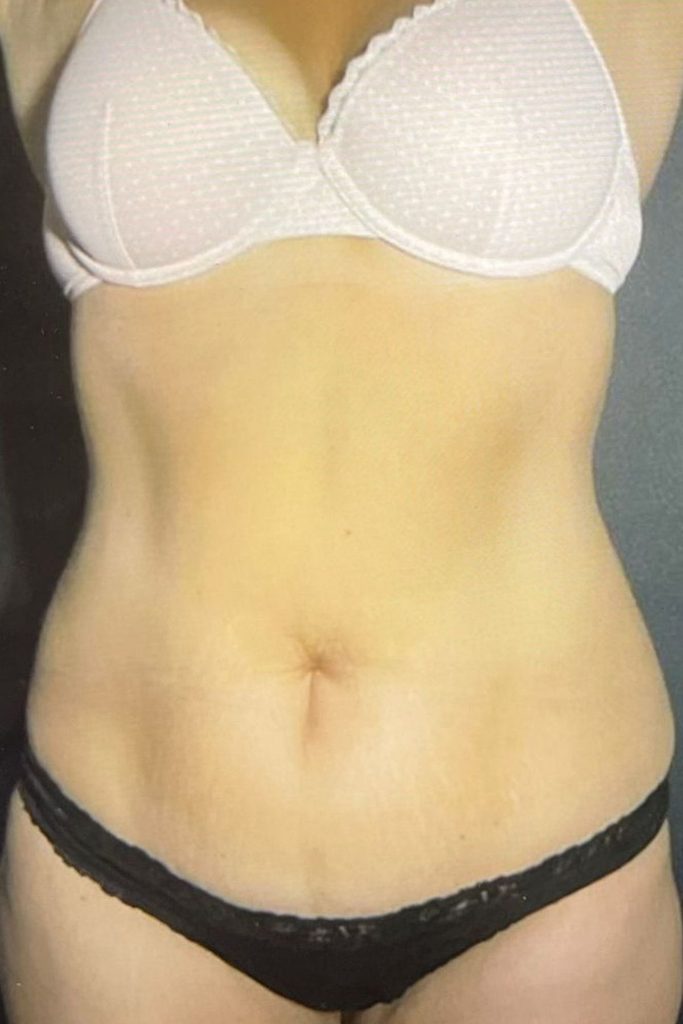
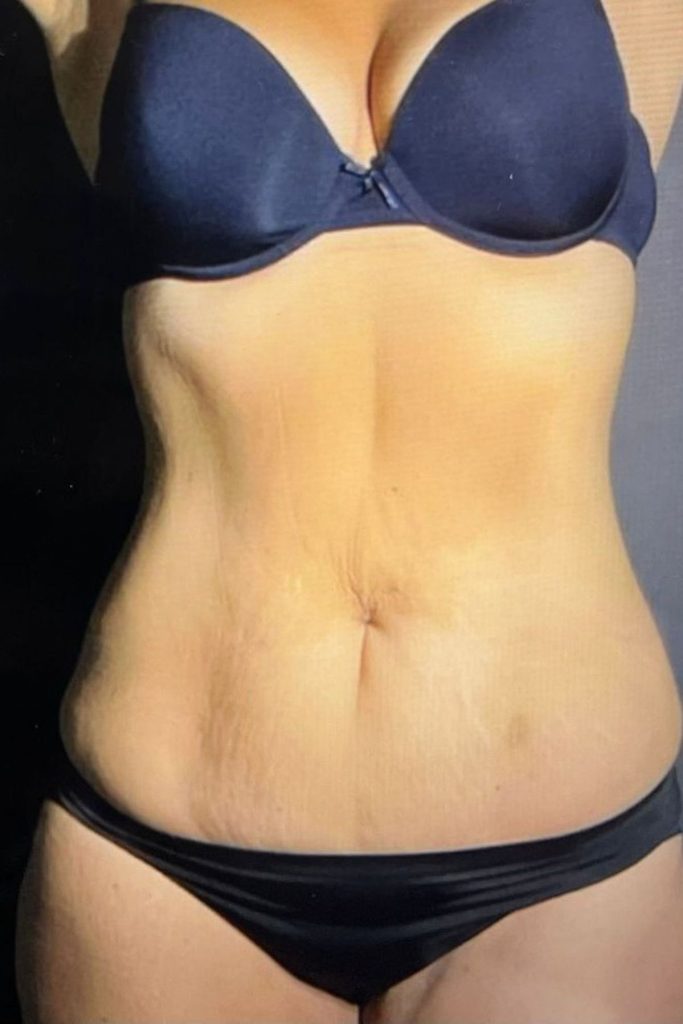
There’s controlled evidence behind it, too. In a double-blind, sham-controlled study of adults with a BMI of 30 to 40, those treated lost significantly more from their waist, hips and upper abdomen than those who received a sham treatment.
Who tends to be a good candidate
The people who get the most from a low-level laser are usually close to their normal weight, with a defined area that hasn’t changed despite their efforts. The Emerald is cleared for people with a BMI of up to 40, so it isn’t limited to those who are already slim.
It’s also a realistic choice for anyone who can’t have surgery, or simply doesn’t want the anaesthetic, the scar and the weeks off work.
It’s less likely to suit you if most of what bothers you is loose skin, and some people won’t be suitable at all. Pregnancy rules it out, and a clinic should go through your medical history and any medicines you take before booking a course.
What it can’t do
It won’t replace weight loss. It’s a treatment for specific areas, and it works alongside eating well and staying active.
It won’t tighten loose skin either. If an area is mostly skin, after pregnancy or significant weight loss, fat reduction alone may leave you disappointed.
It can’t repair separated stomach muscles, which are a common reason a stomach still pushes forward after the fat has gone.
And it isn’t permanent regardless of lifestyle. Because the fat cells shrink and aren’t removed, the same habits that keep your weight stable are what keep the result.
How long it takes
Results build slowly, because the body has to process the released fat. Courses are usually twice a week over about a month, with change showing over the following weeks and the full effect at around 12 weeks.
What a session involves
The first appointment should be a consultation, not a treatment. Expect questions about your health, a look at the area and a set of measurements taken at fixed points, which become the baseline for the rest of the course.
After that, sessions are short and quiet. You lie on a treatment couch while the laser heads are positioned above the area. Nothing touches the skin, there’s no gel or cooling, and most people feel nothing at all. Once it’s finished, you get up and carry on with your day.
What it costs
A full course of non-invasive laser treatment at a UK clinic generally starts from around £2,000. Some clinics offer a single first session so you can see how you get on before committing. Surgical options such as liposuction usually cost several thousand pounds more, before you count the recovery time.
When comparing prices, check what’s included. Are measurements taken at every session? Is there a review at the end of the course? Is any aftercare, such as lymphatic drainage, part of the price or an extra?
Making the results last
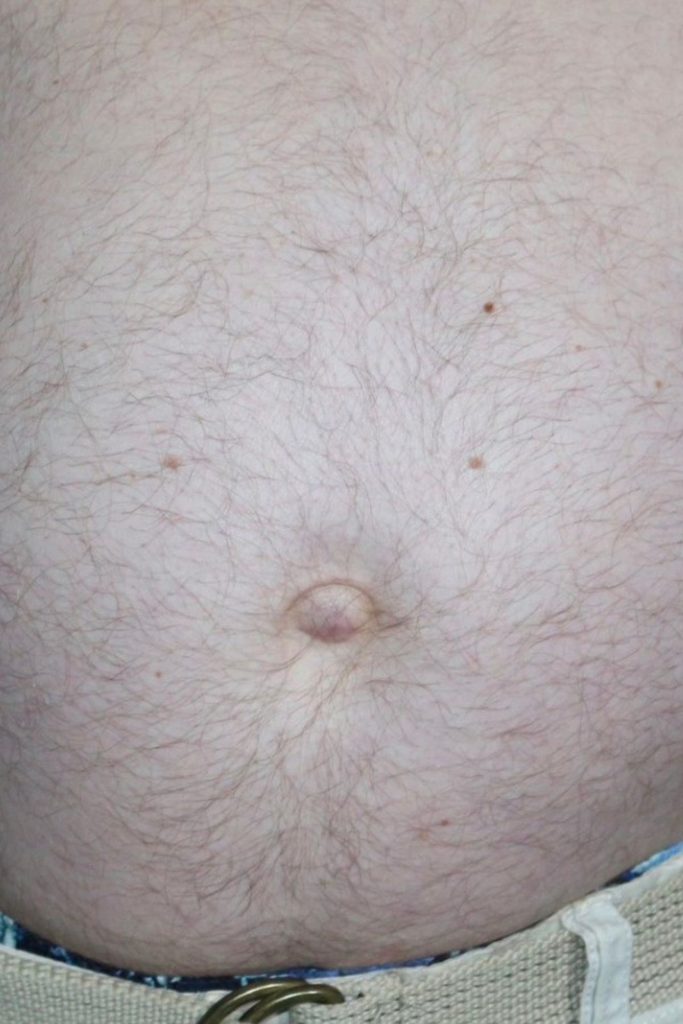
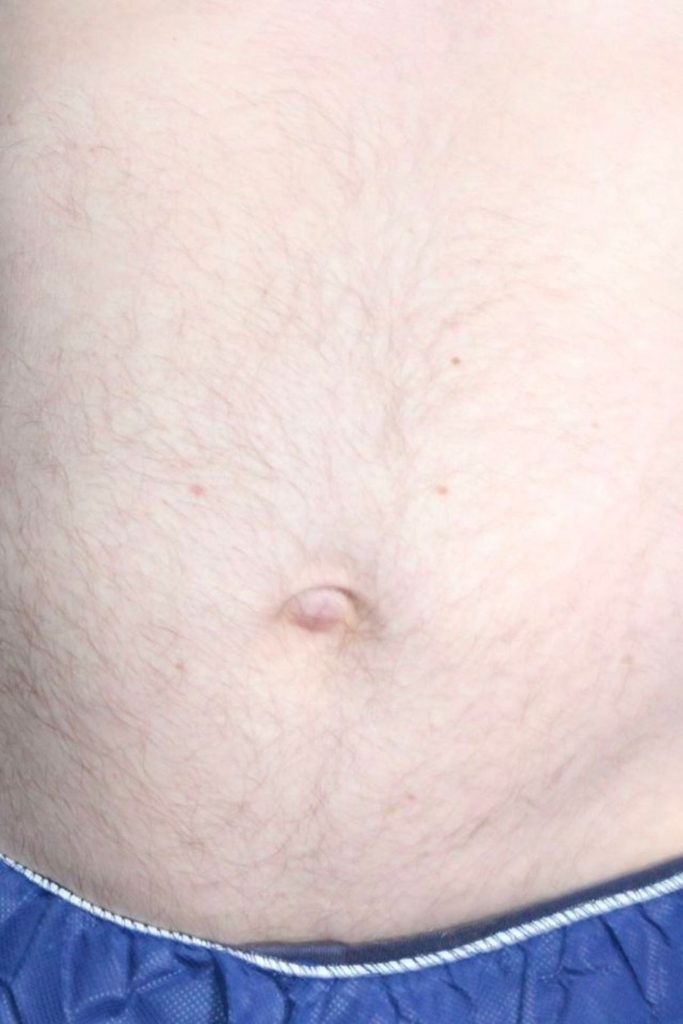
The fat cells shrink during treatment, but they stay in the body, which means they can fill up again. Keeping your result comes down to the same things that keep your weight steady: regular activity, sensible eating and enough sleep.
During the course itself, hydration and movement matter most. Patients who treat the few days after each session as part of the treatment, drinking plenty of water and getting out for a walk, tend to be the happiest with how things turn out.
Questions worth asking before you book
If you’re researching laser fat removal, a consultation should answer a few things clearly. Doctor-led clinics such as Light Touch Clinic in Weybridge, Surrey, assess the area first and record starting measurements before any treatment begins.
Ask whether the treatment is surgical or non-invasive, and how many sessions you’re likely to need. Ask how progress will be measured, and who is assessing you. Most importantly, ask whether your concern is fat, skin or a mix of both. If the honest answer is that a different treatment would suit you better, a good clinic will tell you.
Images supplied