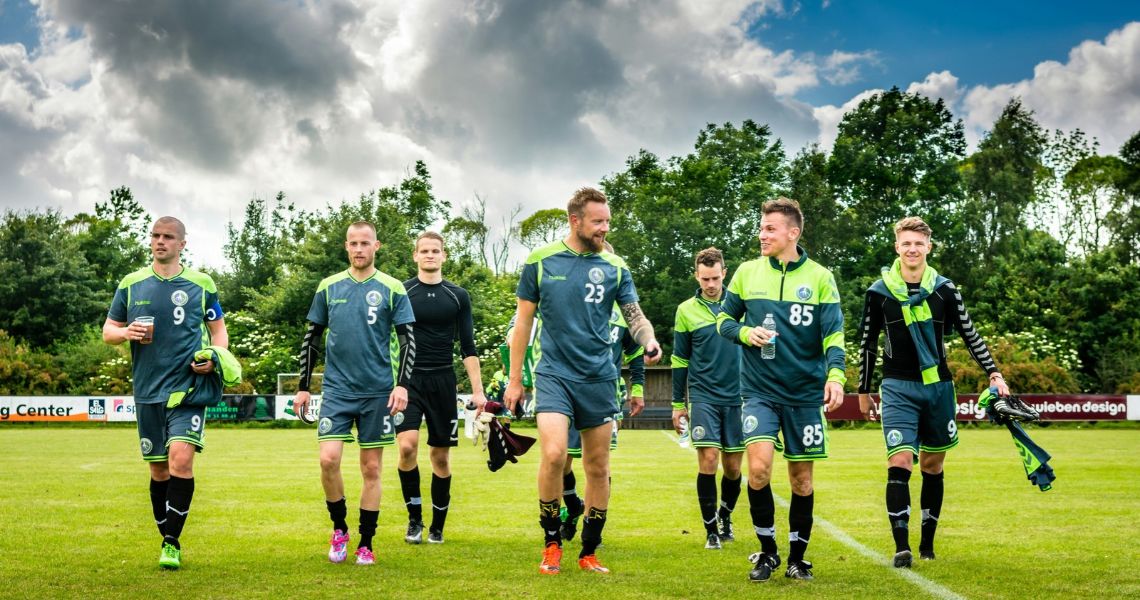
Local football has always been more than a game; it has become a core part of life in the community. In towns and cities the stadium is a place where people come together, a modern meeting spot where pride in the region is built. This strong link between people and their local teams has not been ignored by the sports world.
Big companies like Melbet have seen a jump in how much people are watching and getting involved with smaller and local football matches. One reason stadiums bring people together is that supporters from different social and economic backgrounds share the same experience. In the stands, their common loyalty to the club often matters more than their personal differences. For many fans, entering the stadium strengthens their connection to their hometown.
Historically, this connection can be traced to football clubs across Europe and the former Soviet region, many of which were founded by industrial workers and local communities. Teams formed by workers from steel mills, coal mines, textile factories and rail yards still carry their past today. This history can be seen in the names of the teams, the colors of their uniforms and the small symbols used in their club crests. Because of this a club’s badge becomes more than just a logo. It stands as a symbol of the area’s identity showing the values that matter most to the community:
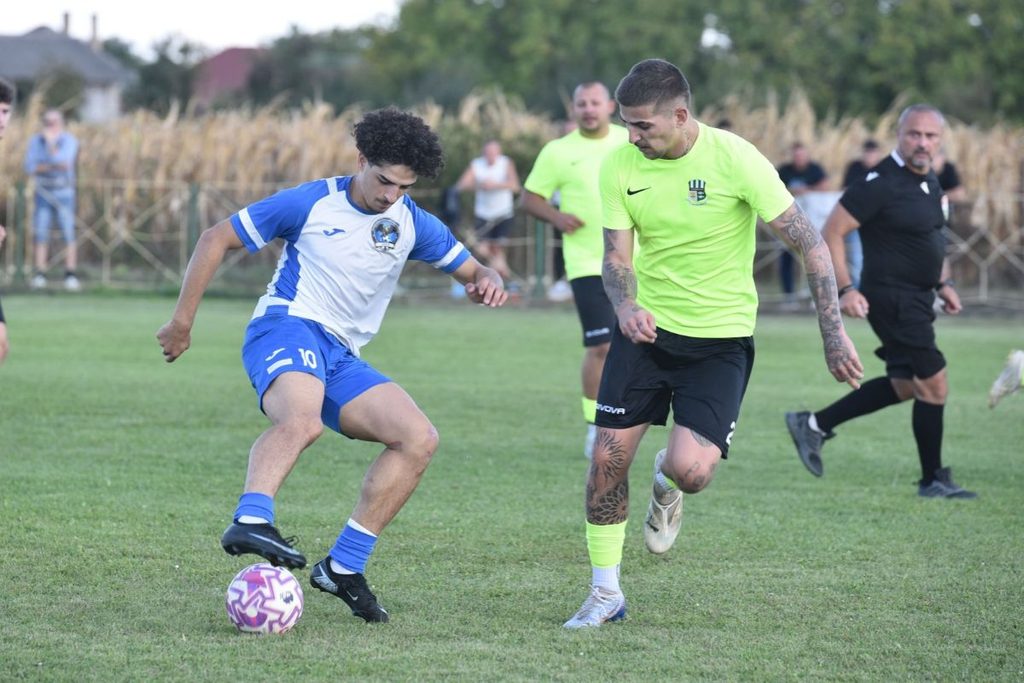
- Civic Representation. Club aesthetics often embody the specific history and heritage of their home city.
- Collective Memory. Following a team provides residents with shared emotional experiences that span multiple generations.
- Social Cohesion. Match days function as vital networking and social events for the local population.
These are representations of how local traditions can contribute to local football clubs.
Institutionalization Of Local Patriotism
As communities grow more culturally diverse, local football clubs help preserve regional traditions and foster a shared sense of belonging. Loyalty to a hometown team often passes from one generation to the next. Parents introduce their children to club traditions, and going to matches becomes part of family life.
Furthermore these clubs act as local institutions by putting money directly into their local areas. Outside of the game they run youth academies that help local players improve their skills and often lead charity efforts that help schools, hospitals and community centers. In the end the club’s importance goes further than just selling tickets or providing weekend fun making the club a strong partner in the community.
Economic Multiplier and Infrastructure Development
Beyond their importance regional football clubs play a key role in boosting local economies. Running a sports team needs a strong support system. This system naturally helps other businesses grow. A well-managed stadium can attract visitors and generate revenue for nearby businesses. Matchday activity also increases demand for public transport, restaurants, shops, and accommodation. The clubs help keep the economy active and thriving:
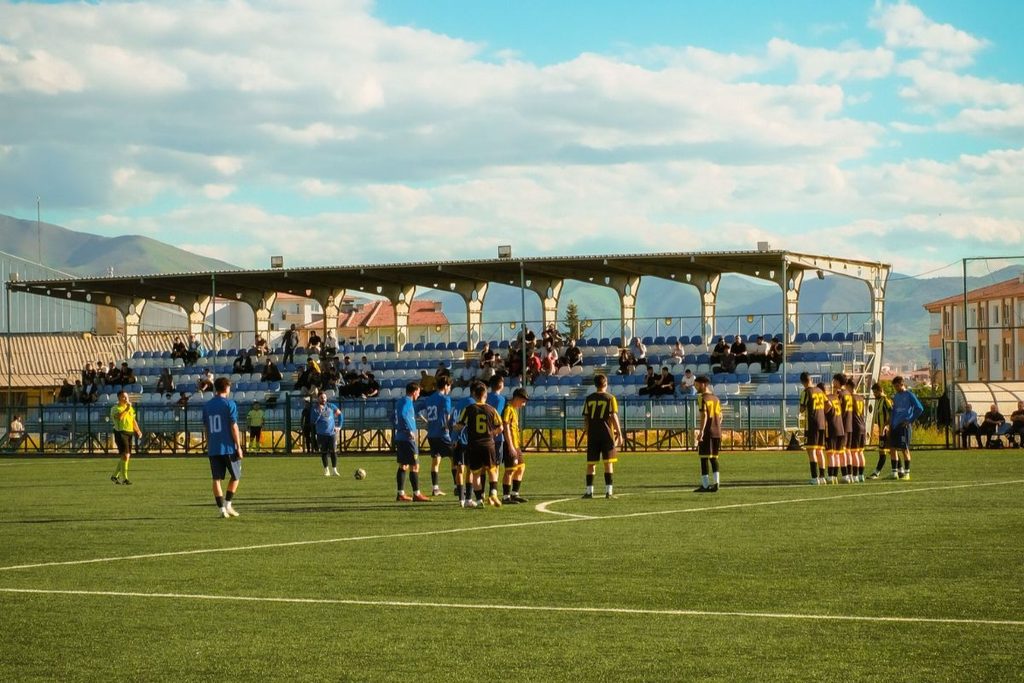
- Infrastructure Development. Football clubs can influence urban planning through stadium renovation and related transport improvements. Such projects may improve accessibility and create additional public spaces for residents. These improvements help make the city better for everyone. They also create public spaces where people can gather and enjoy recreation.
- Medium-sized enterprises. On match days, hotels, restaurants and cafes see a boost in business. This consistent increase in income helps local businesses grow. It also builds a reputation for the area. Over time this draws visitors who come specifically for the games. That means sports tourism becomes a part of the local economy.
- The regional labor market also benefits. The club itself hires staff for administration and operations. The impact goes beyond that. Football clubs can also support employment in related industries. Sports medicine specialists provide care for athletes, local media cover competitions, and security companies help manage events. Together, these services create additional employment opportunities within the community.
- The educational sector gains too. Clubs often invest directly in youth sports academies. They support training facilities for young players. This gives kids a place to develop physically and socially. It promotes habits from an early age. It also offers structure and discipline. For youth it’s a positive alternative to staying idle or getting involved in negative activities.
Together, improvements in infrastructure, business activity, employment, and education show that local football clubs contribute to regional development.
Digitalization And Technological Expansion Of The Fan Base

The arrival of technology has completely changed how fans connect with their favorite teams. In the past showing support for a team meant being there in person or depending on local newspapers and magazines. Now thanks to internet access fans can stay connected no matter where they are, whether they’ve moved for work or studies.
Mobile apps have closed the gap created by distance by offering scores, game analysis and instant updates. International sports platforms also provide digital access to football information and betting markets. For example, the Melbet APK offers mobile access to football events, statistics, and betting features in markets where these services are legally available. This digital access means that being away no longer stops a fan from studying coaching moves, keeping up with player transfers or staying deeply tied to their local team.
Fostering Grassroots Participation and Social Inclusion
Professional matches may draw the crowds, but local clubs also play an important role in amateur and community football. They often organise local leagues and volunteer activities, giving residents ways to get involved. Grassroots football brings people from different backgrounds together through a shared love of the game.
Key benefits of this focus include:
- Youth Discipline. Organized amateur programs teach young people about perseverance working together and playing fairly in a setting that is not just about professional sports.
- Volunteer Networks. Setting up games helps people work together giving residents a chance to help make their neighborhood a better place.
- Accessible Community Events. Football festivals and public matches create places for everyone, including older people and people who have just moved to the area.
Moving to an unfamiliar city can be difficult. Local football gives newcomers a simple way to connect with the community. At matches, they learn its traditions, songs, and stories. Long-time supporters often pass on local customs and values without even realising it.
That bond runs deeper than the team’s league position. A club can struggle on the pitch and still draw loyal supporters because its stadium holds shared memories, local traditions, and the community’s history. As newcomers learn those stories, attending matches becomes more than a weekend pastime. It becomes a way to show pride in the town and its people.
Images courtesy of unsplash.com, pexels.com and Freepix.com