

Weekend walking groups are booking up faster than ever, and local Facebook groups dedicated to day hikes have quietly become some of the busiest in the region. Part of it is cost: a long walk and a flask of coffee is considerably cheaper than a weekend away. Part of it is the slower pace of life it offers after a week spent staring at screens. Whatever the reason, more people are lacing up boots on a Saturday morning instead of reaching for the snooze button, and a bit of preparation makes the difference between a walk you repeat and one you don’t.
The appeal isn’t just physical, either. Plenty of regulars talk about long walks being the one part of their week with no phone signal and no notifications, just a few hours where the only decision that matters is which direction to take at the next stile.
Pick a Route That Matches Your Fitness, Not Your Instagram Feed
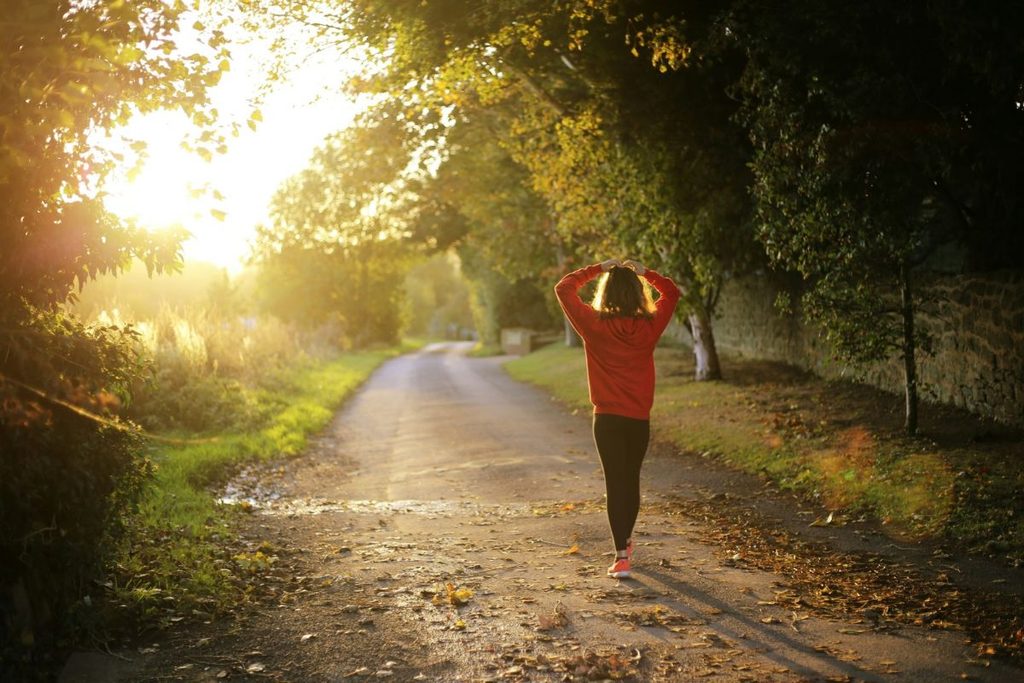
The biggest mistake first time walkers make is choosing a route because it looks dramatic in photos rather than because it suits their actual fitness level. A route with serious elevation gain can turn a pleasant Saturday into a miserable slog if you’re not used to it. Start with something a few miles shorter than you think you can manage and build up from there. You can always add distance next time. You can’t undo exhausting yourself halfway up a hill.
Dress for the Weather You’ll Actually Get
British weather rarely sticks to the forecast, and a bright morning can turn into driving rain by lunchtime. Layers matter more than any single expensive item: a base layer that wicks moisture, something warm in the middle, and a genuinely waterproof outer layer. Cotton is comfortable on the sofa and miserable on a hillside once it gets wet, so it’s worth avoiding for anything longer than a gentle stroll.
Packing the Right Food Makes or Breaks the Day
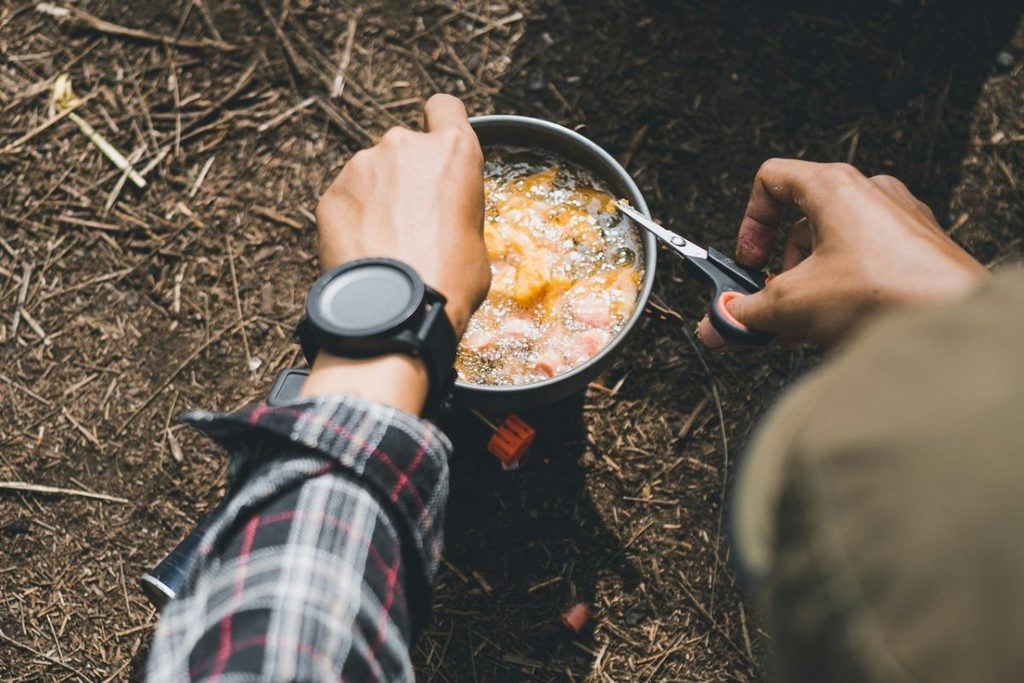
Hunger sneaks up faster outdoors than it does at a desk, and a tired, hungry walker is a grumpy one. A proper breakfast before setting off, plenty of water, and snacks that hold up over several hours are the basics. For anything longer than a couple of hours, it’s worth packing dedicated hiking food rather than relying on whatever’s left in the kitchen cupboard, since it’s designed to deliver steady energy rather than a quick sugar spike followed by a slump halfway round. A flask of something hot is also a small luxury that makes a huge difference on a cold day.
Know Before You Go
Checking the route, the weather and the daylight hours before setting off takes five minutes and avoids most of the problems that catch people out. Download an offline map in case signal drops, tell someone roughly where you’re headed and when you expect to be back, and check what time it gets dark, particularly in the autumn and winter months when daylight disappears faster than people expect.
The Kit Beginners Actually Need
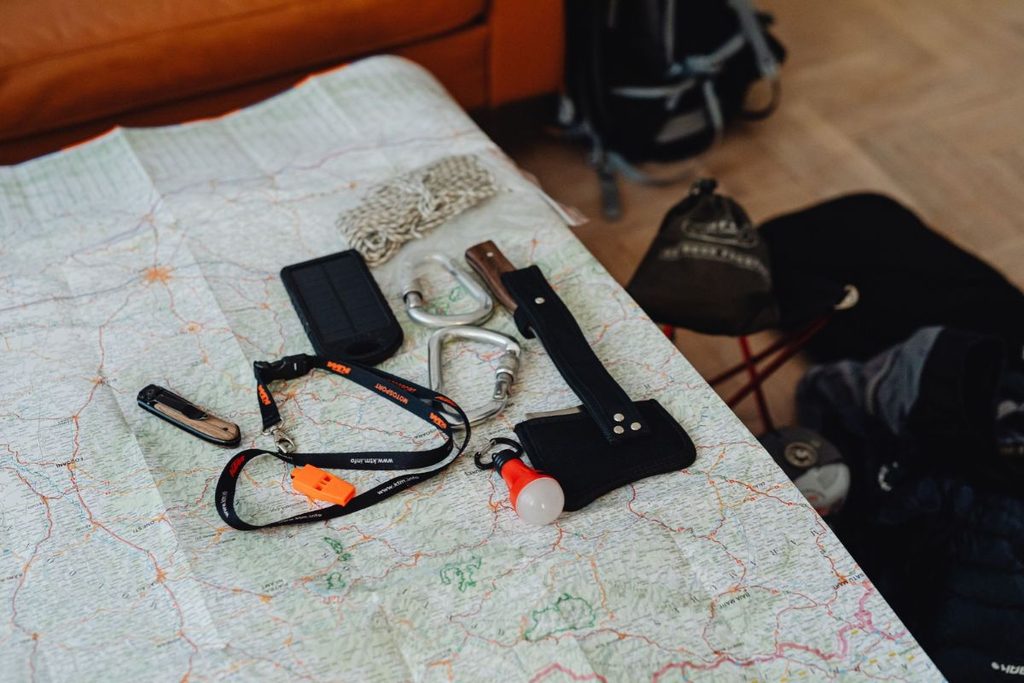
Walking groups and online forums are full of advice about kit, and plenty of it’s aimed at people already doing serious mileage. For a first few walks, the list is shorter than most people expect: comfortable, broken-in footwear, a waterproof layer, a small backpack and a basic first aid kit. Expensive boots and technical fabrics have their place further down the line, but they’re not what stops most beginners finishing a walk. A blister from unworn boots usually is, so it’s worth testing any new footwear on short local walks before relying on it for something longer.
Walking With Others
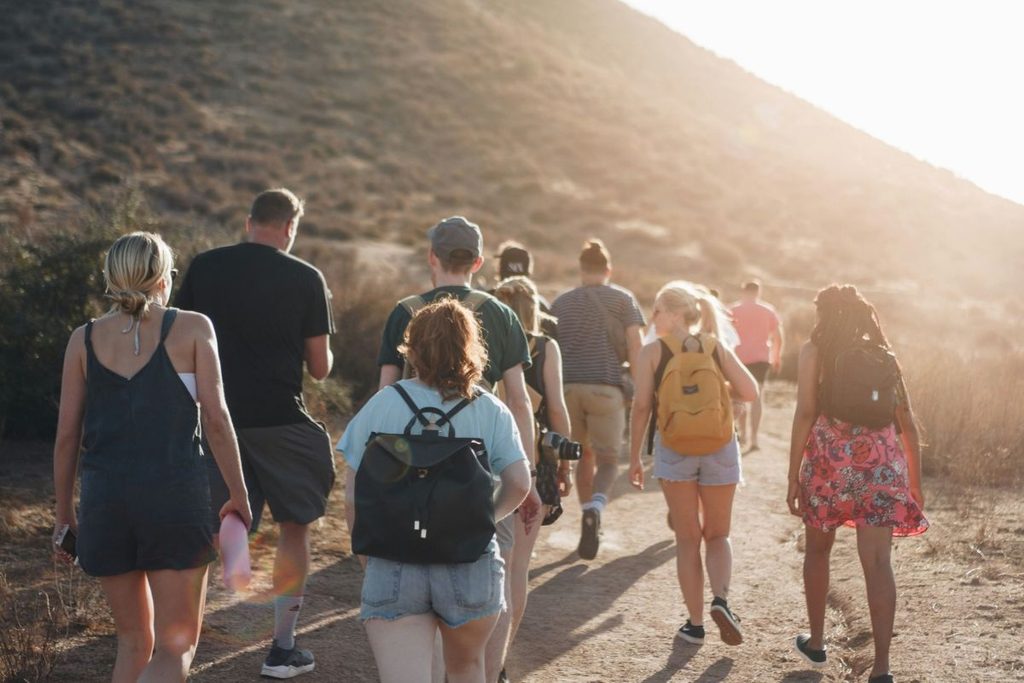
Group walks solve two problems at once: motivation on a grey morning when the sofa looks appealing, and safety on routes where it’s genuinely better not to be alone. Most areas have free or low cost walking groups organised through local councils, Ramblers branches or community Facebook pages, and they tend to be far more welcoming to beginners than people expect. Turning up to a group walk with no experience is a lot less daunting than it sounds, and it’s often where people pick up the local knowledge that doesn’t make it into guidebooks: which gate sticks, which bit of the path floods, where to get a decent coffee afterwards.
Not Just for Grown-Ups
It isn’t only adults rediscovering the outdoors. Schools across the region report rising numbers signing up for the Duke of Edinburgh’s Award, which for many teenagers is their first experience of multi-day walking and camping. Parents helping put a kit list together for a first expedition would do well to include proper D of E meals alongside the usual waterproofs and boots, since good food is one of the easiest ways to keep a first expedition from turning into a miserable one.
Make It a Habit, Not a One Off
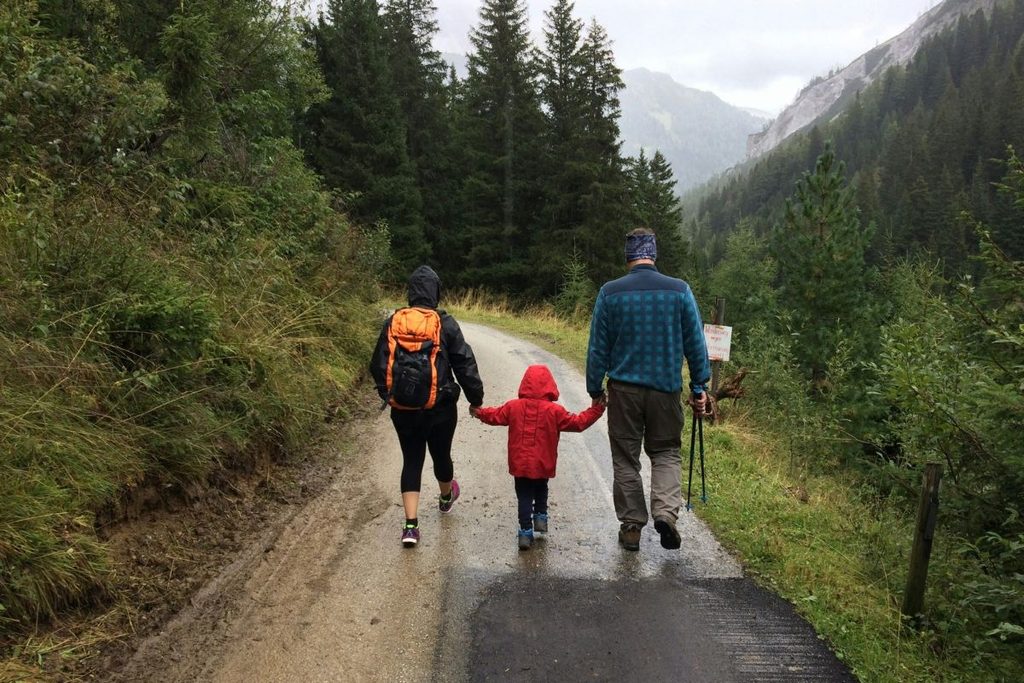
The walkers who stick with long walks tend to treat it as a regular fixture rather than an occasional event, often with the same small group meeting on a set weekend each month. It gives the habit some structure and makes it far easier to keep going once the novelty of a single big walk has worn off. Whether it’s a two mile loop around a local reservoir or a proper day out in the hills, the walkers who keep coming back are usually the ones who started small and built up gradually, rather than the ones who tried to do everything in one go.
Images courtesy of unsplash.com and pexels.com











1 thought on “Why More of Us Are Trading Lie-Ins for Long Walks, and How to Do It Properly”
Comments are closed.