Open a magazine for the cover story and you might stay for an interview with someone unfamiliar, or a photo essay on a subject you have never thought to explore. Those unplanned discoveries are part of the pleasure.
Good printed magazines offer more than a bundle of articles. Its appeal lies in the choices someone has made: what belongs together, which voices deserve space and how the pages unfold.
A distinctive point of view
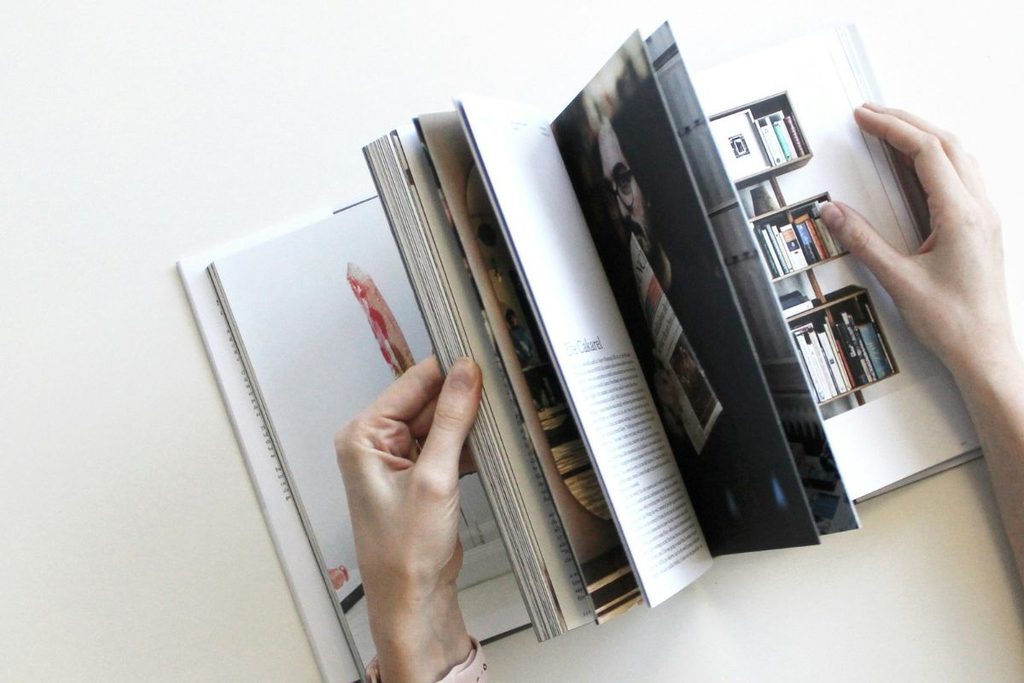
Two magazines about the same subject can offer quite different experiences. One might feature practitioners explaining their craft; another could favour criticism, personal essays or visual experiments. Following an editorial voice gives you something beyond the subject itself: a perspective to explore, question and return to.
The independent and specialist magazines stocked by Magalleria include new releases and back issues, allowing readers to explore a publication beyond its latest cover. Comparing editions helps distinguish a sustained editorial interest from a one-off theme.
Look through the contents for several pieces that interest you, then check the contributors and how factual claims are supported. Independent publishing offers room for distinctive voices, while accuracy and substance still depend on the editorial work behind each issue.
The pleasure of reading a whole issue

Read in sequence, an issue offers connections that are easy to miss when you encounter its articles separately.
An interview might introduce an idea that a later essay disputes. A photographic sequence could draw attention to details that the accompanying reporting asks you to reconsider. Even a short column can change the emphasis of a longer feature.
Try following a run of pages before jumping straight to the headline that caught your attention. Give the arrangement a chance to surprise you.
Digital editions can preserve that structure, too. Print offers it as a fixed object with a definite beginning and end. You can see where a feature sits, how much space it occupies and what follows it.
Design that shapes the reading experience
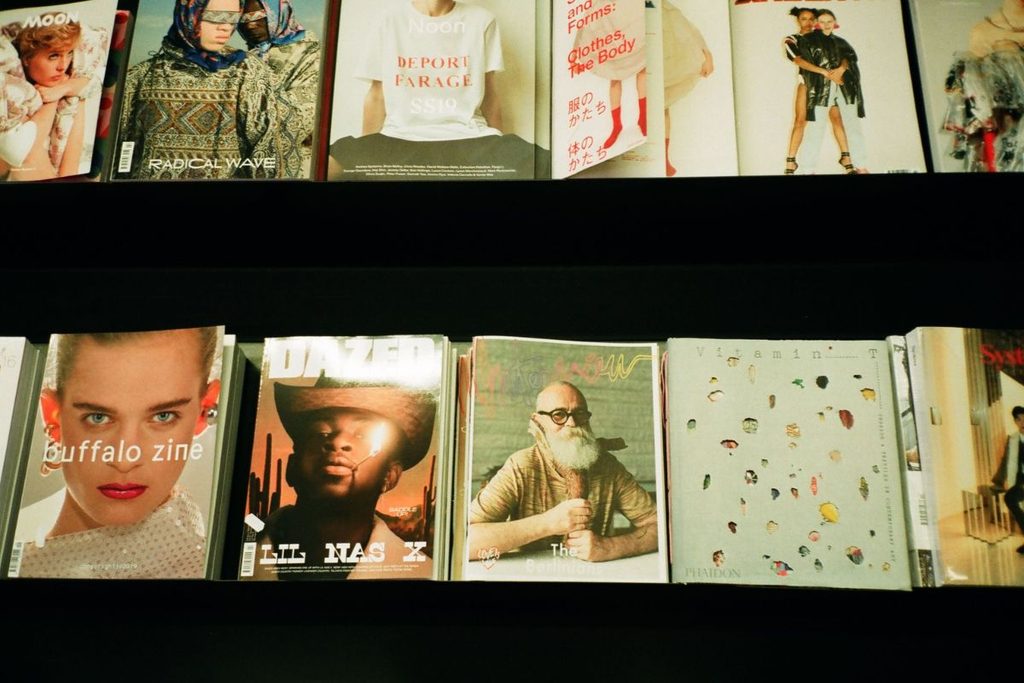
The feel of paper is only part of print’s physical appeal. Design also directs your eye and sets the pace of a story.
Photographs on facing pages can invite comparison before you read a caption. A generous spread gives an illustration room to reveal its details, while a change in type size separates an aside from the main argument. White space gives dense material breathing room.
Then there are the less glamorous details that make reading comfortable: legible captions, text clear of the central fold and a layout that lets you follow a piece without hunting for its continuation.
The most satisfying design rewards a closer look while helping you navigate the writing and images.
An issue can outlast its cover date
An interview about a creative process or an essay exploring an enduring question can reward another reading long after the next issue arrives.
Time-sensitive material calls for more care. Prices, opening times, event listings and practical recommendations need checking. Reporting captures what was known at a particular moment, so look for subsequent developments before relying on it.
That earlier perspective has value of its own. Reopening an older issue lets you compare predictions with events, follow the development of an argument or notice questions that remain unresolved.
Keep issues for identifiable reasons: a useful reference, a compelling sequence of photographs, an interview you want to revisit. A collection earns its shelf space through use.
Making time for the pages that matter
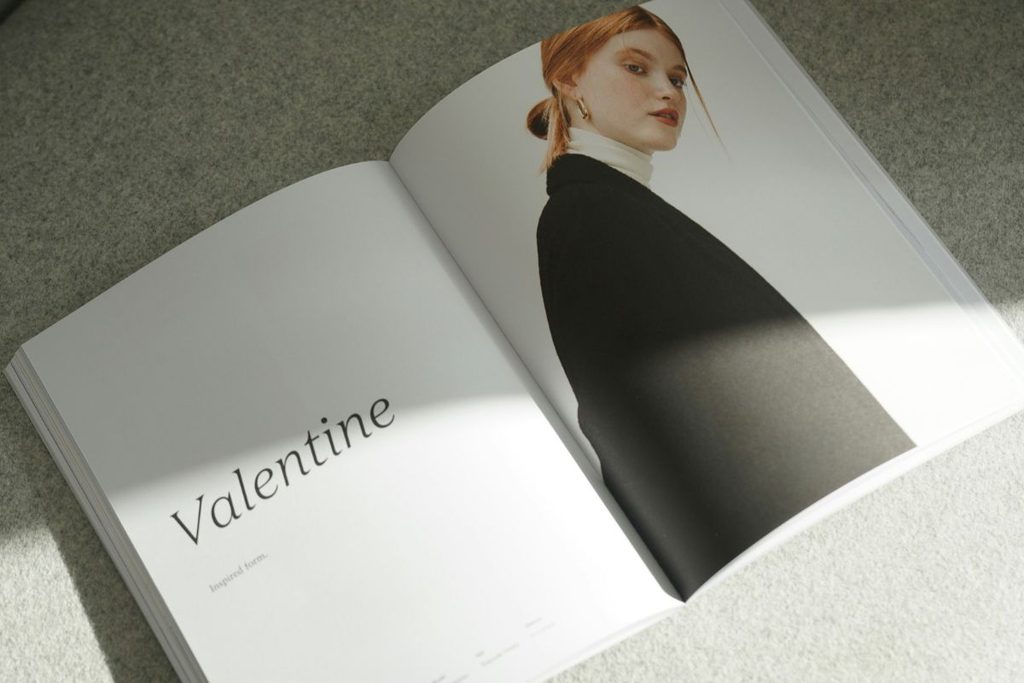
Rediscovering magazines can begin with an issue already on the table. Choose a feature for a moment when you have time to follow it, then let your curiosity determine where you go next.
Follow a contributor’s name to other writing, or look up an unfamiliar reference. Online sources make useful companions to print, helping you check updates and pursue ideas introduced on the page.
For material worth keeping, note the article title, issue number and page. That small record makes a favourite piece much easier to find again.
Leave room for browsing, skipping and returning. Sometimes the feature you passed over first becomes the reason you keep an issue, and the reason you open it again.
Images courtesy of unsplash.com and pexels.com