Olive oil has been at the heart of the Mediterranean diet for generations, and in recent years nutritional science has increasingly investigated extra virgin olive oil and its naturally occurring polyphenols, including their potential role in different aspects of health.
Research continues to explore associations between olive oil consumption, Mediterranean dietary patterns and areas particularly relevant to women’s health, including cardiovascular, metabolic, reproductive and healthy-ageing outcomes. It is important, however, to distinguish emerging scientific research from authorised health claims that can be made about a food.
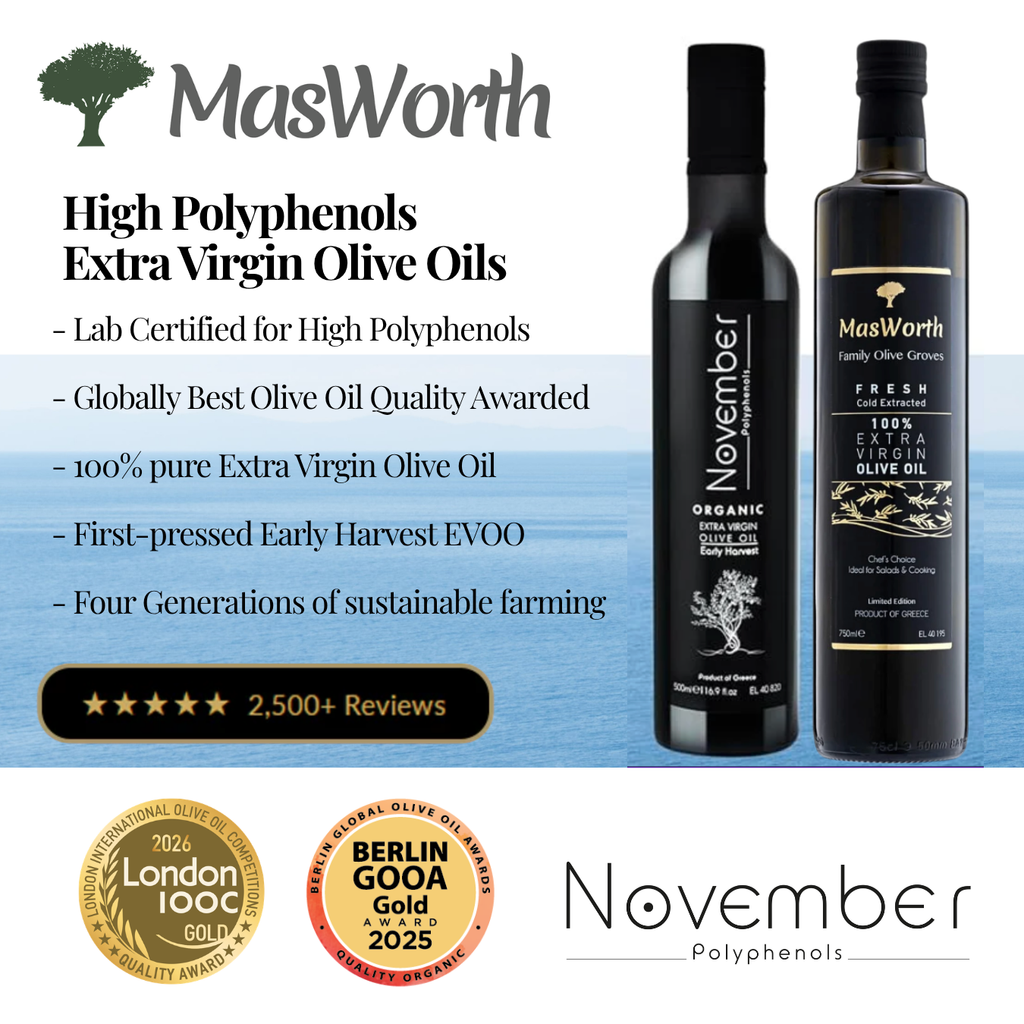
For olive oil polyphenols, the authorised health claim is: “Olive oil polyphenols contribute to the protection of blood lipids from oxidative stress.” The claim applies to olive oil meeting the required conditions, and the beneficial effect is obtained with a daily intake of 20g of qualifying olive oil.
Recently, nutritional science has started to investigate some of the traditional dietary patterns long associated with Mediterranean kitchens, including the role of olive oil and its polyphenols.
But what is the difference between olive oil and high-polyphenol olive oil?
Extra virgin olive oils naturally contain polyphenols, but their concentrations can vary considerably according to olive variety, harvest timing, extraction and storage conditions. Early harvesting, careful extraction and protection from light and heat can all play an important role in preserving naturally occurring polyphenols.
Polyphenols can also contribute to some of the distinctive sensory characteristics of high-quality EVOO, including its characteristic bitterness and peppery sensation.
Why is olive oil being studied in relation to women’s health?
Women’s nutritional requirements and health considerations can change throughout different stages of life. Researchers have therefore investigated Mediterranean dietary patterns and olive oil consumption in areas including metabolic health, cardiovascular health, reproductive health and healthy ageing.
What does some of the research suggest?
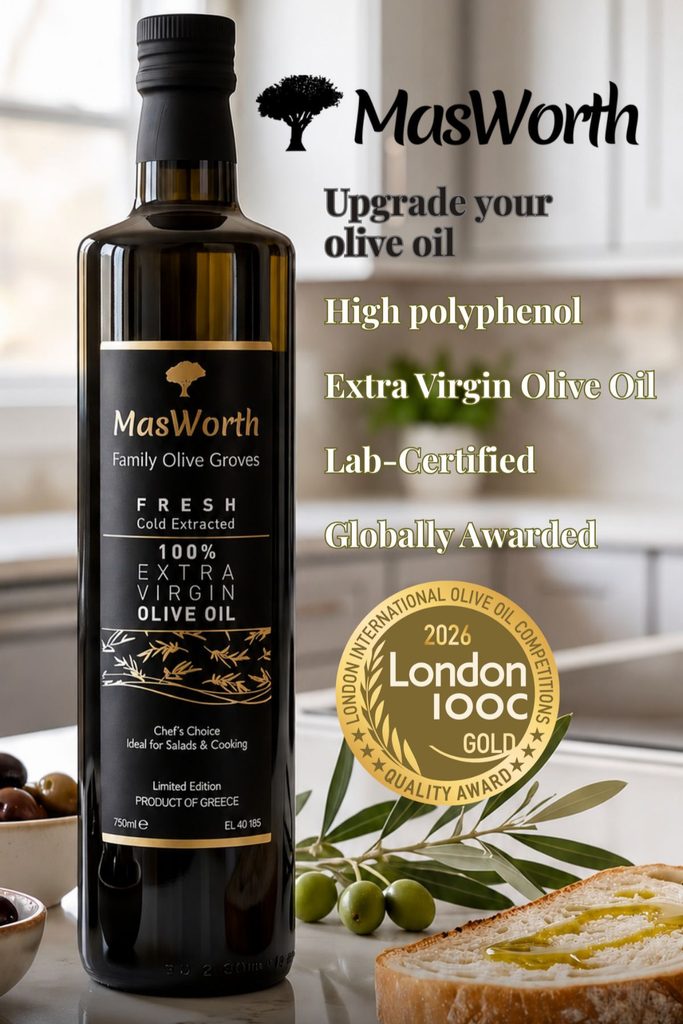
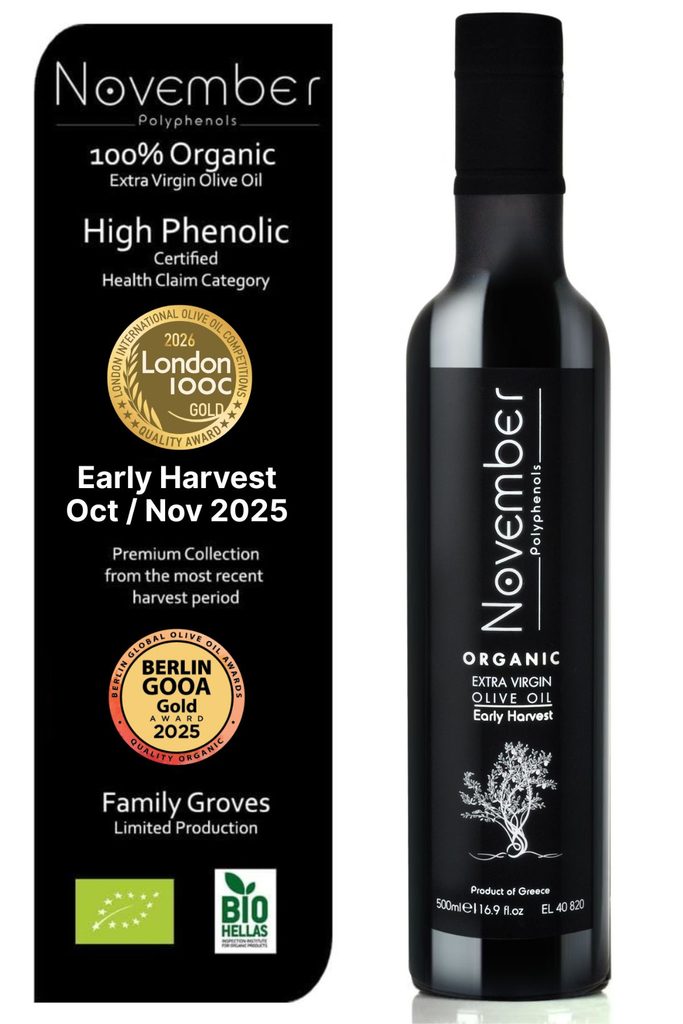
Hormonal and metabolic health – Because fat is the raw material for hormone production, its quality that matters.In a 2026 randomised controlled trial from the University of Vermont Larner College of Medicine, women who consumed 40g of extra virgin olive oil (EVOO) per day for eight weeks saw improvements in insulin sensitivity and inflammation, two main factors in hormone signalling and function and really, proving that little bit more that Mediterranean diets, especially for women experiencing PMS, hormonal acne, or irregular cycles, can have a really positive impact on metabolic and hormonal health.
Inflammation and oxidative stress – Oleocanthal is one of the naturally occurring phenolic compounds found in certain olive oils and has attracted considerable scientific interest.
Laboratory research has investigated similarities between oleocanthal and ibuprofen in relation to cyclooxygenase enzymes. This does not mean that olive oil should be regarded as having the same medicinal effect as ibuprofen. PubMed
Human research has also investigated EVOO rich in oleocanthal and oleacein. For example, a 2023 randomised crossover study involving 91 adults aged 40–65 with obesity and prediabetes reported differences in certain inflammatory and oxidative-status measures following consumption of EVOO rich in these compounds compared with common olive oil. These findings relate to the particular population and oils studied and should not be interpreted as evidence that olive oil treats inflammation, obesity or prediabetes. PubMed
Cardiovascular health and menopause – Cardiovascular risk changes with age, and researchers have investigated Mediterranean dietary patterns and olive oil consumption in relation to cardiovascular outcomes. The linked studies provide further information about this area of research.For qualifying olive oils, the relevant authorised health claim remains that olive oil polyphenols contribute to the protection of blood lipids from oxidative stress.
Fertility and reproductive health – Researchers have also investigated associations between dietary patterns, including Mediterranean-style diets and different types of dietary fat, and reproductive outcomes.
Some observational research has examined Mediterranean-diet adherence and outcomes among women undergoing fertility treatment. Such findings are interesting areas of research but do not establish that consuming olive oil improves fertility or increases an individual’s likelihood of becoming pregnant.
Bone health over time – Bone health becomes increasingly important as women age, particularly around and after menopause. Research has investigated Mediterranean dietary patterns, olive oil and olive polyphenols in relation to markers associated with bone health.
These findings remain an area of scientific research and should not be interpreted as establishing that olive oil prevents or treats bone loss.
Skin and healthy ageing – Olive oil and its components, including vitamin E and phenolic compounds, have also been investigated in the context of oxidative processes and ageing.
How can I include EVOO in my diet?
Extra virgin olive oil is a versatile part of a Mediterranean-style diet and can be enjoyed over salads, vegetables and finished dishes, as well as used for cooking.
For the authorised olive-oil-polyphenol health claim, the stipulated beneficial effect is obtained with a daily intake of 20g of olive oil that meets the conditions of the claim. This is the regulatory condition associated with that specific authorised claim and should not be interpreted as an individual dietary recommendation from MasWorth.
Written by MasWorth
More information can be found here: MasWorth – High-Polyphenol Olive Oil
Discover more about olive oil across MasWorth’s blogs: MasWorth Olive Oil Blog
The information above is for educational purposes and summarises areas of published research concerning olive oil, Mediterranean dietary patterns and olive polyphenols. It is not medical, nutritional or individual dietary advice and should not replace guidance from a doctor, registered dietitian or other appropriately qualified healthcare professional. Research findings relate to the particular populations, interventions and outcomes studied and should not be interpreted as establishing equivalent effects for every individual or olive oil product.
Images supplied