There is a particular kind of optimism in a British caravan holiday. You book the pitch, you watch the forecast, and you accept that at some point you will be eating outdoors in a coat. For years that was simply the deal. Increasingly, though, tourers are refusing to hand the shoulder seasons back to the weather — and the thing making the difference is not the caravan at all. It is what gets pitched beside it.
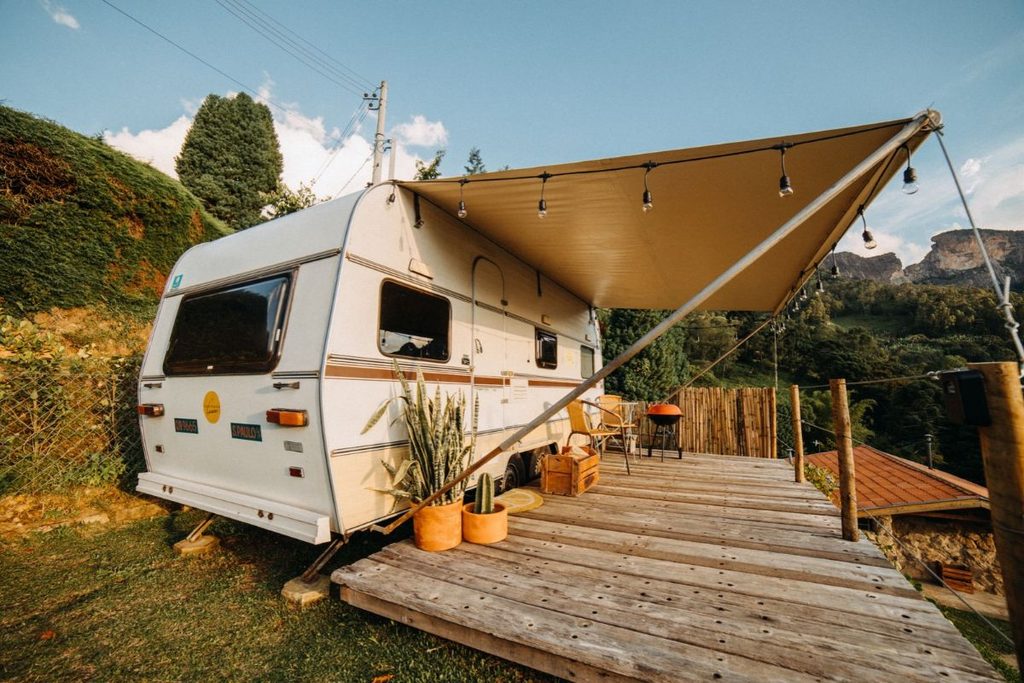
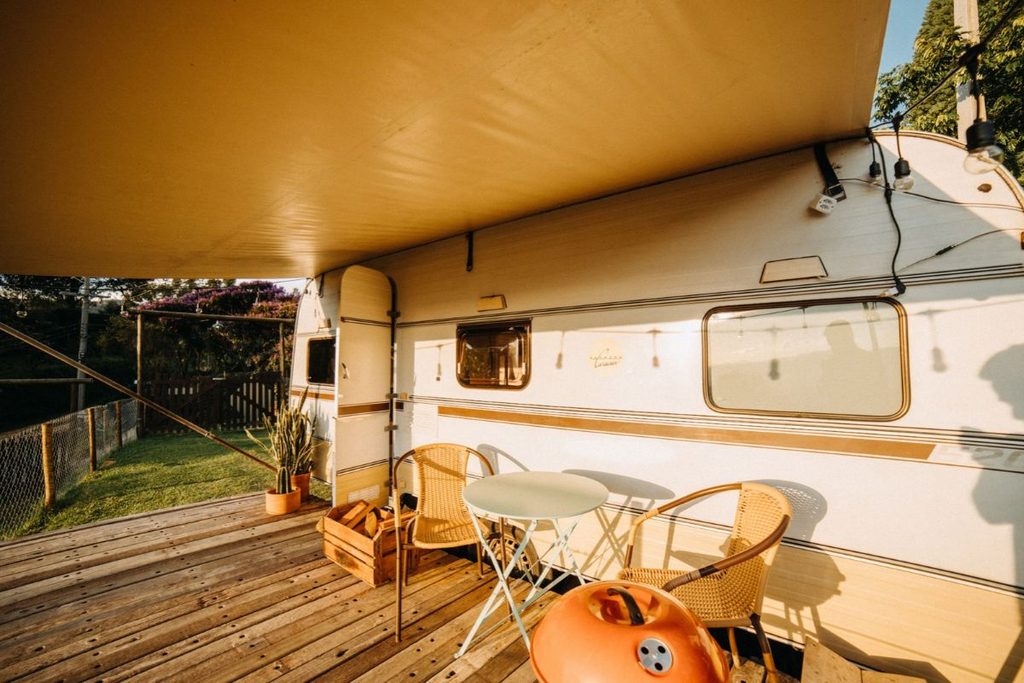
Awnings used to be an afterthought: a bit of canvas for wet wellies and a folding chair. That has changed. A modern awning is treated as an extra room, and often the one the family actually lives in. It is where breakfast happens, where the dog dries off, where someone reads while everyone else walks to the beach. On a site in the Dales in late September, it is the difference between a weekend and a week.
Why pitching is no longer the dreaded bit
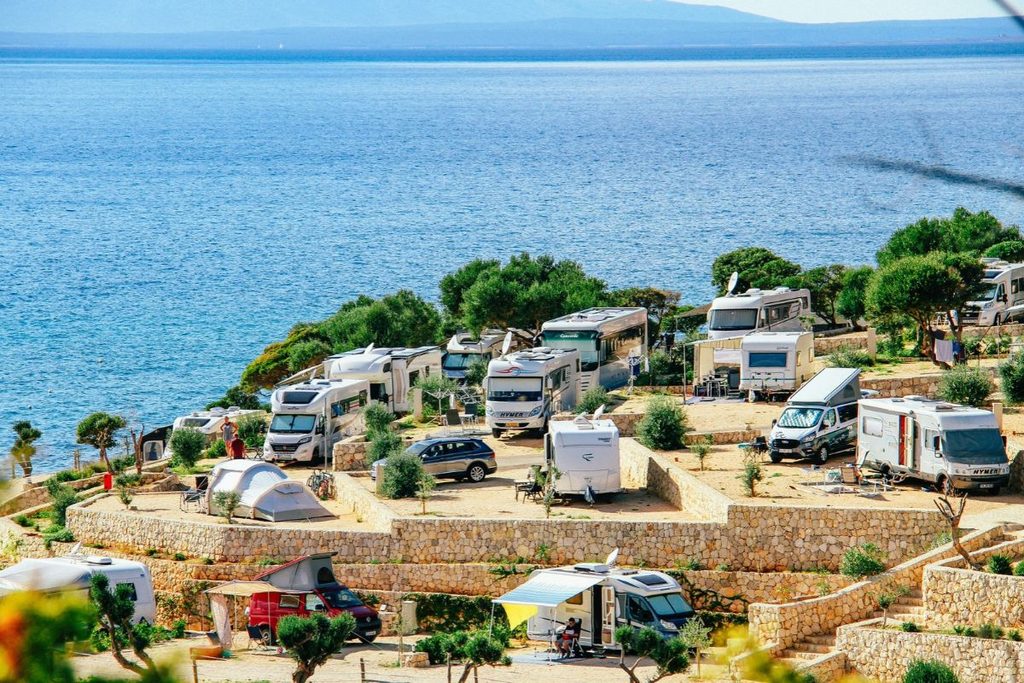
Ask anyone who toured in the nineties what put them off and the answer is the poles. Threading a steel frame together in a rising wind, usually while being watched by the pitch opposite, was a rite of passage nobody enjoyed. Inflatable designs changed the arithmetic. Air beams replace the frame with sealed tubes and a pump, which means one person can often have the structure standing in the time it used to take to lay the poles out on the grass. The appeal of inflatable awnings for touring caravans is less about the technology and more about what it removes: the argument.
Traditional poled awnings have not gone away, and plenty of experienced tourers still prefer them — they tend to be lighter to carry, cheaper to replace and simpler to repair in the field. The honest answer is that both work. The choice is about how often you move and how much you mind the setup.
The mistake almost everyone makes first
If there is one thing worth getting right before anything else, it is the size. Caravan awnings are not sold in feet of frontage the way a tent is sold by the number of sleepers. They are matched to the caravan’s awning rail — the measurement taken around the channel from one bottom edge to the other, which the trade calls the A-measurement. Two caravans that look the same length on a driveway can need different awnings, and a size that is out by a few centimetres will not tension properly no matter how carefully it is pitched.
It takes ten minutes with a tape measure and a second pair of hands, and it is the single step that prevents an expensive return. There is a straightforward walkthrough in this guide to measuring your awning rail, including where to start and finish the tape, which is the part people get wrong.
Choosing for the season you actually tour in
Fabric matters more than the marketing suggests. Lightweight polyester is the sensible pick for someone touring a few weekends in summer: it packs small, dries quickly and does not punish a small car’s payload. Heavier all-season materials are built for sites used in February, when the wind is doing the real work and you want something that will not flex all night. Buying the heaviest option for a summer-only tourer is a common and costly instinct.
Season length is the question worth asking yourself honestly before you look at anything. Specialist retailers such as CamperNation stock awnings for touring caravans across the full range, from lightweight summer porches to full-length all-season models, and the sizing advice is usually free. Ask it before you buy, not after.


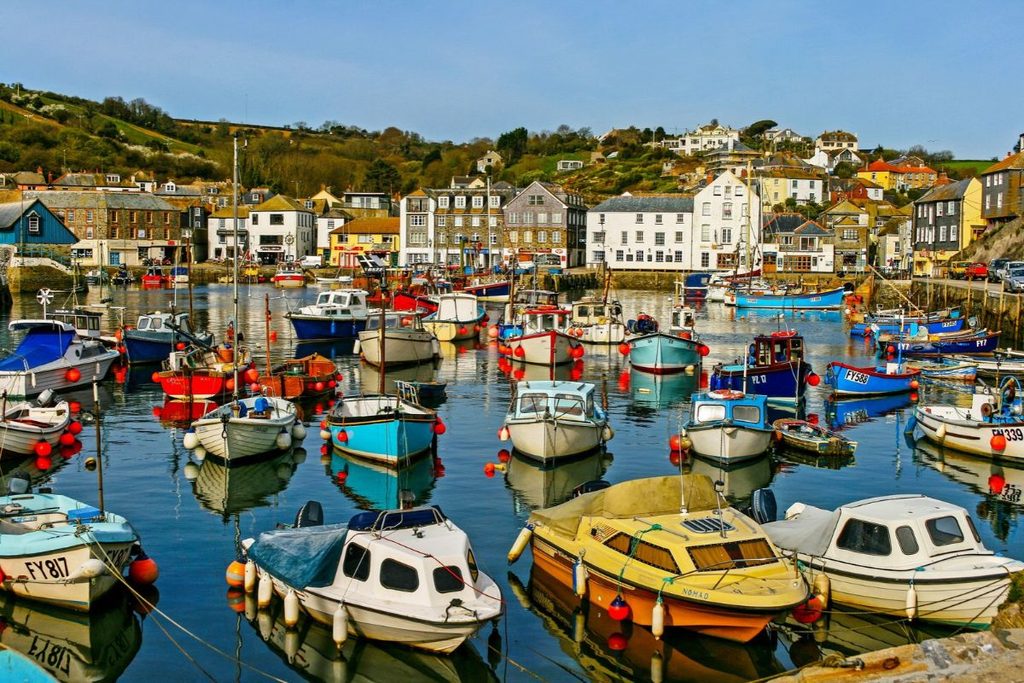
The caravanning season in Britain is longer than most people treat it as. Sites in Cornwall, Northumberland and the Scottish Borders stay open well past the schools going back, and the crowds are gone. All that is really required is somewhere dry to put the kettle.
Images courtesy of unsplash.com and pexels.com