A damaged tooth can seem manageable when it is not causing much pain. You might decide to wait until your schedule clears or until the treatment fits your budget. However, a weakened tooth can deteriorate even when symptoms appear mild.
Understanding the potential consequences of a damaged tooth can help you make a better decision about treatment and avoid turning a relatively straightforward restoration into a more complicated dental problem.
For people researching crowning teeth cost, the price is understandably an important consideration, but it should not be the only one. A dental crown may be recommended when a tooth has extensive damage, a large filling, significant decay, or a fracture that leaves insufficient natural structure to support the tooth.
Why Does a Damaged Tooth Sometimes Need a Crown?
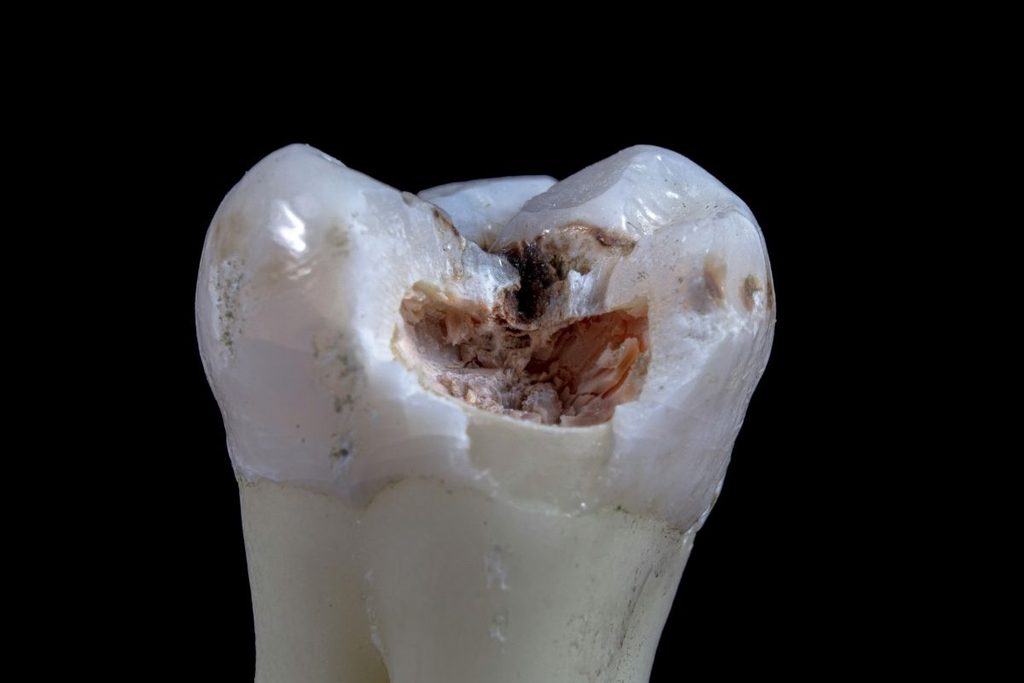
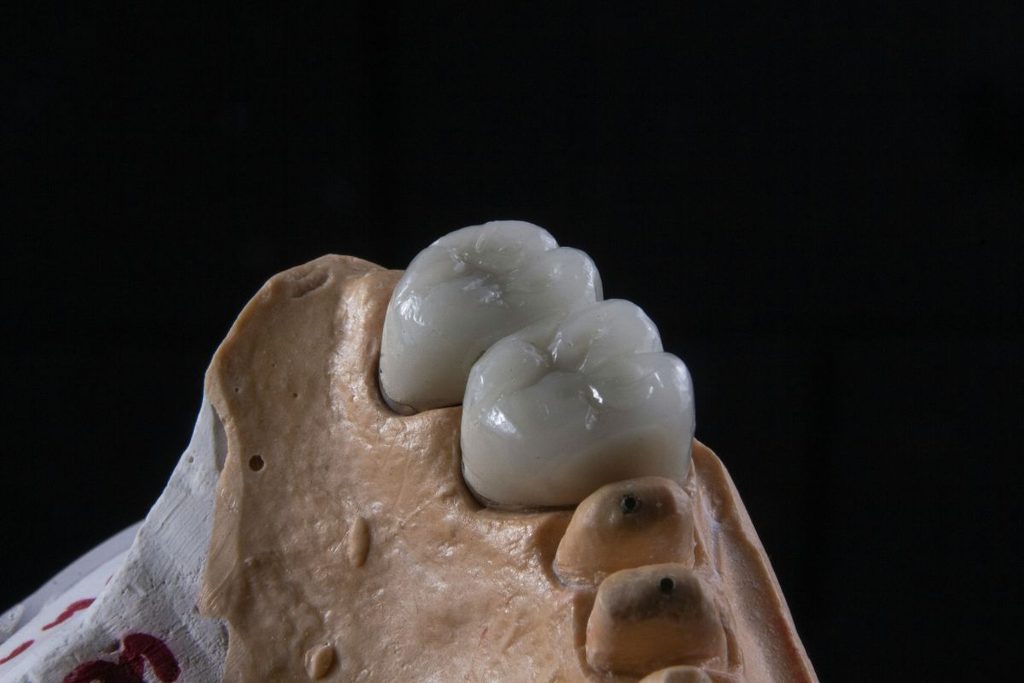
A dental crown is a custom-made restoration that covers the remaining structure of a tooth. Rather than simply filling a damaged area, it surrounds and protects the tooth while restoring its shape and function.
Dentists may recommend a crown when a tooth has been substantially weakened by decay, a large filling, trauma, or a fracture. Crowns can also be used after root canal treatment when the remaining tooth structure requires additional protection.
The key issue is structural strength. A tooth with significant damage may no longer have enough healthy enamel and dentine to withstand normal chewing forces. Continuing to use it without appropriate protection can place additional stress on the remaining structure.
A Filling May Not Always Be Enough
Fillings are useful for repairing cavities and smaller areas of tooth damage. However, when a substantial amount of tooth structure has been lost, a filling may not provide the same level of protection as a crown.
The American Dental Association notes that crowns can strengthen teeth with large fillings when insufficient tooth remains to support the filling and can also protect weak or broken teeth.
What Can Happen If You Keep Delaying Treatment?

There is no universal timeline for when a damaged tooth will worsen. Some teeth remain relatively stable for a period, while others deteriorate quickly. The outcome depends on factors such as the location and depth of the damage, oral hygiene, bite forces, decay activity and whether the pulp has already been affected.
Waiting can create several potential problems.
1. The Crack or Break Can Become Larger
A damaged tooth continues to experience pressure whenever you chew. If the tooth has already lost substantial structural strength, repeated biting forces can extend an existing crack or cause additional pieces to break away.
A chipped or broken tooth may sometimes be repaired with bonding or a filling, but more substantial damage may require a crown. If the damage becomes extensive, root canal treatment may also become necessary when the inner pulp is affected.
2. Decay Can Progress Further
A damaged area can provide spaces where plaque and food debris accumulate. If decay is present, it may continue advancing toward the inner portions of the tooth.
Tooth decay does not always cause obvious symptoms in its early stages. As it progresses, however, it can cause sensitivity, pain, cavities and eventually infection or an abscess.
This is one reason relying solely on pain can be misleading. A tooth can require attention even when you feel comfortable.
3. The Tooth Nerve May Become Infected
Deep decay, cracks and fractures can eventually compromise the dental pulp, which contains nerves and blood vessels.
When the pulp becomes infected, root canal treatment may be required to remove the infection and preserve the tooth. If an infected tooth is left untreated, extraction may eventually become necessary.
That means delaying a crown does not automatically cause an infection, but allowing the underlying damage to progress can increase the possibility that additional treatment will be required.
4. Treatment May Become More Complicated
A tooth that could initially be managed with restoration may require additional procedures if the condition worsens.
Depending on the clinical findings, treatment could involve:
- Repairing additional tooth structure before placing the crown
- Treating decay that has progressed beneath the damaged area
- Performing root canal treatment if the pulp is infected
- Rebuilding severely weakened tooth structure
- Extracting the tooth if it can no longer be predictably restored
The appropriate treatment depends on examination and diagnostic findings rather than the age of the crown recommendation alone.
Does Waiting Always Mean You Will Lose the Tooth?
No. Delaying a crown does not automatically mean the tooth will need extraction.
Dentists assess factors such as how much healthy tooth remains, the extent of the fracture or decay, the condition of the gums and supporting tissues, and whether the pulp is healthy. Some damaged teeth can still be restored successfully even after additional treatment.
However, postponing an assessment removes the opportunity to understand how stable the tooth actually is.
Warning Signs That Should Not Be Ignored
Seek dental attention promptly if you experience:
- Persistent or worsening toothache
- Pain when biting or chewing
- Prolonged sensitivity to hot or cold
- Swelling around the tooth or gums
- A visible crack or newly broken piece of tooth
- A bad taste or drainage around the tooth
- Difficulty chewing normally
Severe pain, significant swelling or signs of spreading infection warrant urgent dental assessment.
What Factors Can Affect the Cost of Crowning Teeth?
The phrase “crowning teeth cost” does not refer to one fixed price. The final fee can vary according to the material selected, tooth location, complexity of treatment and additional procedures required.
For example, Nuffield Dental’s current Singapore pricing information lists different crown costs depending on the material, with options including composite, metal, porcelain, PFM, E-Max and zirconia. Its published prices also note that complexity and preliminary treatment can affect the overall cost.
This is important when considering whether to postpone treatment. A lower immediate expense may seem attractive, but delaying care can potentially introduce additional treatment requirements.
What Can Increase the Overall Treatment Cost?
Several factors can influence the final bill:
- The crown material selected
- The condition and location of the affected tooth
- The amount of remaining natural tooth structure
- Whether root canal treatment is necessary
- Whether decay or gum problems need treatment first
A proper dental examination is therefore more useful than relying on a generic online price range.
What Should You Do While Waiting for Your Appointment?
If you cannot receive treatment immediately, protect the damaged tooth as much as reasonably possible and arrange a dental assessment.
Practical Steps to Reduce Further Stress on the Tooth
Until you receive professional advice:
- Avoid chewing hard foods on the damaged side.
- Maintain careful brushing and interdental cleaning.
- Limit frequent sugary foods and drinks.
- Avoid deliberately testing the damaged tooth by biting hard objects.
- Contact a dentist promptly if pain, swelling or breakage develops.
These measures do not replace restorative treatment. They simply help reduce avoidable stress while you arrange appropriate care.
How a Dentist Determines Whether You Need a Crown
A dentist will normally examine the tooth and may use dental X-rays or other diagnostic methods to understand the extent of damage.
The goal is not simply to decide whether a crown can be placed. The dentist must determine whether the tooth has enough healthy structure and adequate supporting tissues for a predictable restoration.
Treatment May Differ From One Damaged Tooth to Another
Depending on the findings, possible approaches include:
- A filling for limited damage or decay
- Bonding for certain chips or small defects
- An inlay or onlay for selected areas of structural loss
- A crown for a substantially weakened tooth
- Root canal treatment followed by restoration when the pulp is infected
- Extraction when the tooth cannot be predictably restored
The NHS similarly notes that broken, decayed or damaged teeth may be treated with restorations such as fillings or crowns, while root canal treatment may be required when infection affects the centre of the tooth.
Why Acting Earlier Can Be the More Practical Choice
A crown is not necessarily required simply because a tooth has a small chip. The recommendation usually relates to the amount of structural support remaining and the risk of further damage.
Getting an assessment earlier gives you clearer information about your options. It may also allow the dentist to address decay, cracks or other problems before they become more extensive.
For patients comparing treatment options in Singapore, Nuffield Dental provides information on dental crowns, materials and current indicative pricing, while emphasizing that the appropriate cost depends on the individual’s dental condition and treatment plan.
A Better Way to Think About Delayed Crown Treatment
The biggest mistake is not necessarily waiting a few days or weeks. The bigger concern is repeatedly postponing assessment while assuming that a damaged tooth will remain unchanged.
A tooth can sometimes look stable from the outside while decay or structural damage continues underneath. Conversely, some teeth may not need a crown at all. Only a dental examination can distinguish between these situations.
If you have been delaying treatment because of cost concerns, ask the dental clinic for a detailed treatment plan. Understanding the required procedure, crown material, additional treatments and expected fees can make the decision more manageable.
The Takeaway: Protect the Tooth Before the Problem Grows

A damaged tooth does not always deteriorate immediately, but leaving it untreated can allow cracks, decay or internal infection to progress. In some cases, this can turn a straightforward restorative procedure into more complex treatment.
The most sensible approach is to have the tooth assessed rather than waiting for severe pain to make the decision for you. A dentist can determine whether you need a crown, another restoration, root canal treatment or a different solution altogether.
When researching crowning teeth cost, look beyond the initial price. Consider the condition of the tooth, the recommended material, the experience of the dental team and whether additional treatment could be necessary. Early professional assessment can give you a clearer understanding of your options and help protect your natural tooth for as long as possible.
Images courtesy of unsplash.com and pexels.com