Ask ten people whether you should replace the garage door before putting your house on the market and you’ll get ten different answers. Some will tell you it’s the first thing anyone sees, while others will say you’ll never see the money again.
Both camps have a point, and which one is right for you comes down to what’s actually wrong with the garage door.
Buyers Forgive Dated, But Will Price Broken
A garage door that simply looks its age rarely costs a seller anything. Faded paint, a colour that went out of fashion two decades ago, a panel design nobody would pick today: most people register it and move on. They’re already imagining their own door there. Kerb appeal genuinely matters when you’re selling, but it works on the overall impression a house gives from the street rather than on any single item in isolation.
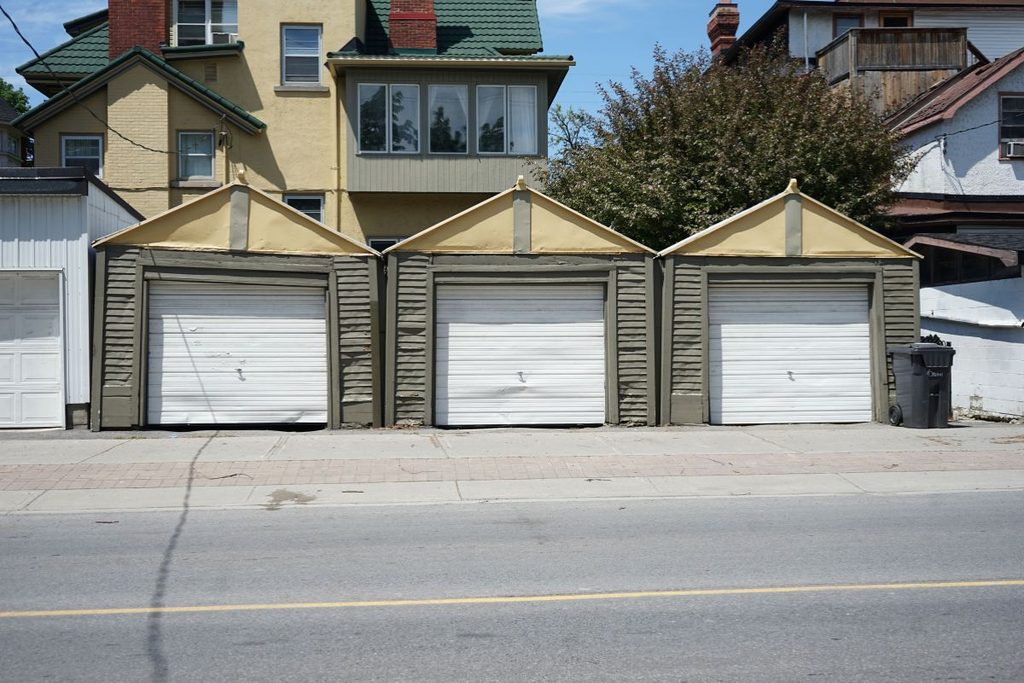
What buyers don’t ignore is a door that doesn’t work. One that binds halfway up, sags on its runners, drops when you let go or needs a shoulder behind it to get going tells a viewer something about how the rest of the property has been looked after. That’s the moment a garage door stops being cosmetic and becomes a line in a negotiation.
Security sits in the same category. Older single-skin up-and-over doors with one central locking point can be levered open with very little effort, and garages hold rather more of value than they used to: bikes, e-bikes, power tools, garden machinery. A buyer who notices a weak door will factor it in.
It’s worth remembering how a fault gets recorded, too. A buyer’s surveyor works to the RICS Home Survey standard, which rates the condition of a property’s key elements using a traffic light system, with red reserved for problems that are serious or need putting right urgently. A door that no longer opens properly, or an automated one that has stopped reversing when something gets in its way, is exactly the sort of thing that ends up in writing. Once it’s on paper, it’s in the negotiation.
What a Replacement Actually Costs
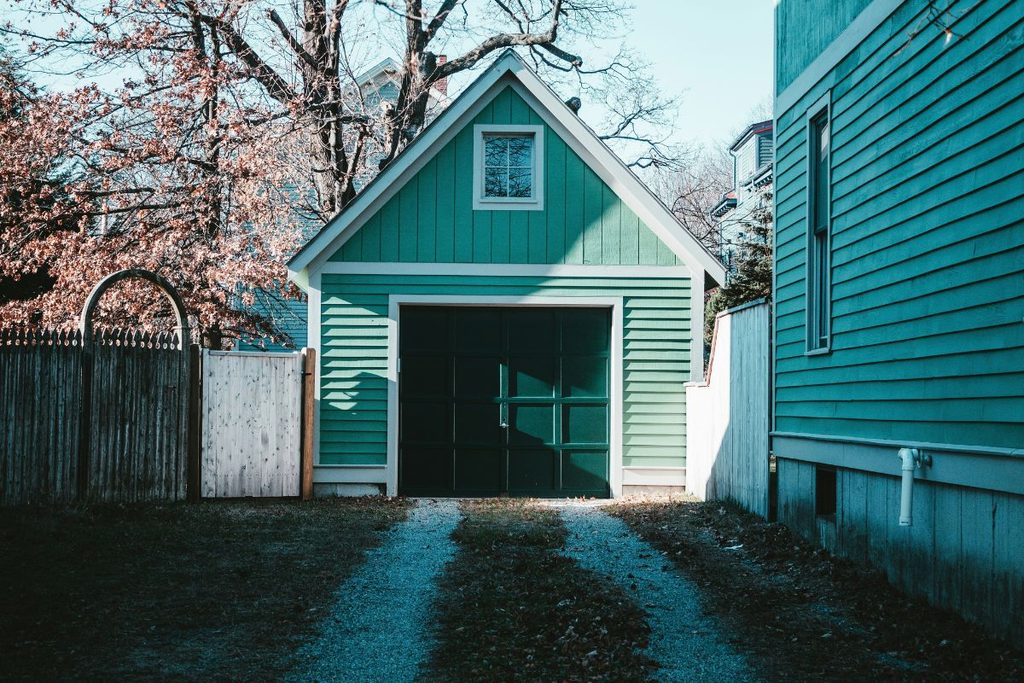
Plenty of sellers rule a replacement out before checking anything. They picture a number, decide it’s more than the door is worth to them, and move on. That number is usually wrong, because the type of door, the material, the size and mechanics involved all move the figure, and they move it a long way. What a garage door costs spans a far wider band than most people expect, and the guess in your head is worth testing before you act on it.
According to Wessex Garage Doors, a single steel up-and-over starts at around £795 and a single sectional door at around £1,499. At the other end, a single cedar door starts at £3,500 and a double can reach £7,000. Automation adds from £500, with installation on top of that.
Read those figures and the sensible answer tends to present itself. A mid-range replacement on a house with a tired frontage is defensible. A premium timber door fitted eight weeks before you hand over the keys is a gift to the next owner.
The Middle Ground Most Sellers Should Look at First
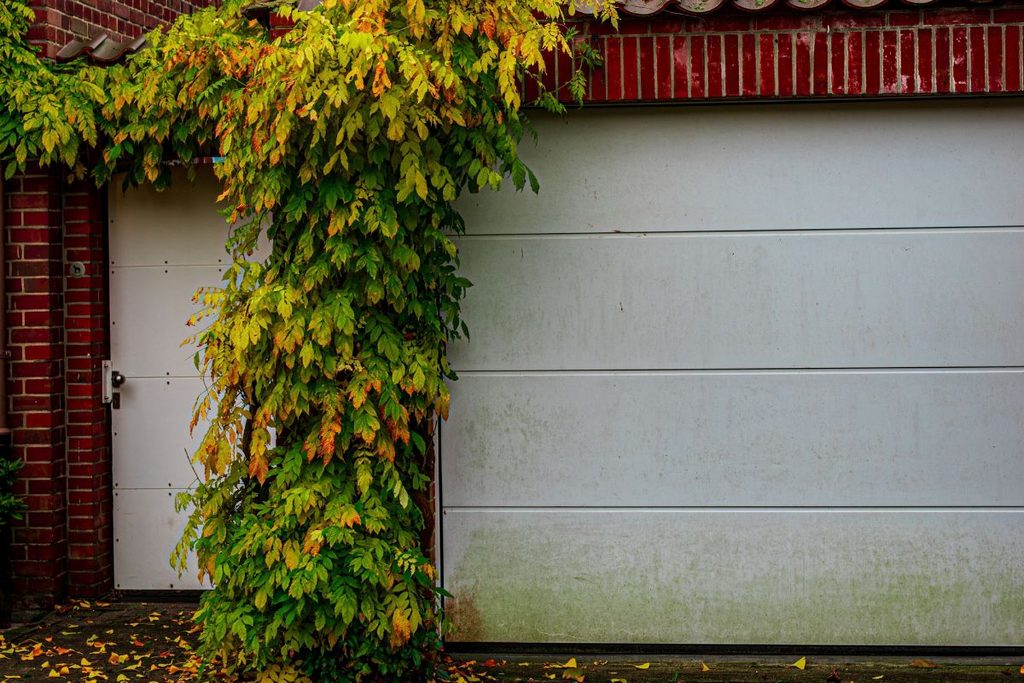
Plenty of doors don’t need replacing at all. They just need a morning’s work.
Springs, cables and rollers are wearing parts, and replacing them is usually what turns a door that fights you into one that lifts properly. A new lock or a garage door defender costs very little and removes the security objection on its own. Treating rust and respraying in a current colour changes how the front of the house photographs without going near the mechanism.
It’s the same principle that applies to updating a tired kitchen, where new doors on sound cabinet frames get you most of the way there for a fraction of a full rip-out. If your garage door works and just looks past its best, start with the cheap fixes. If it doesn’t work, get someone to tell you whether it’s a parts job or a lost cause before you assume the worst and start pricing up new ones.
When the Answer is to Spend Nothing
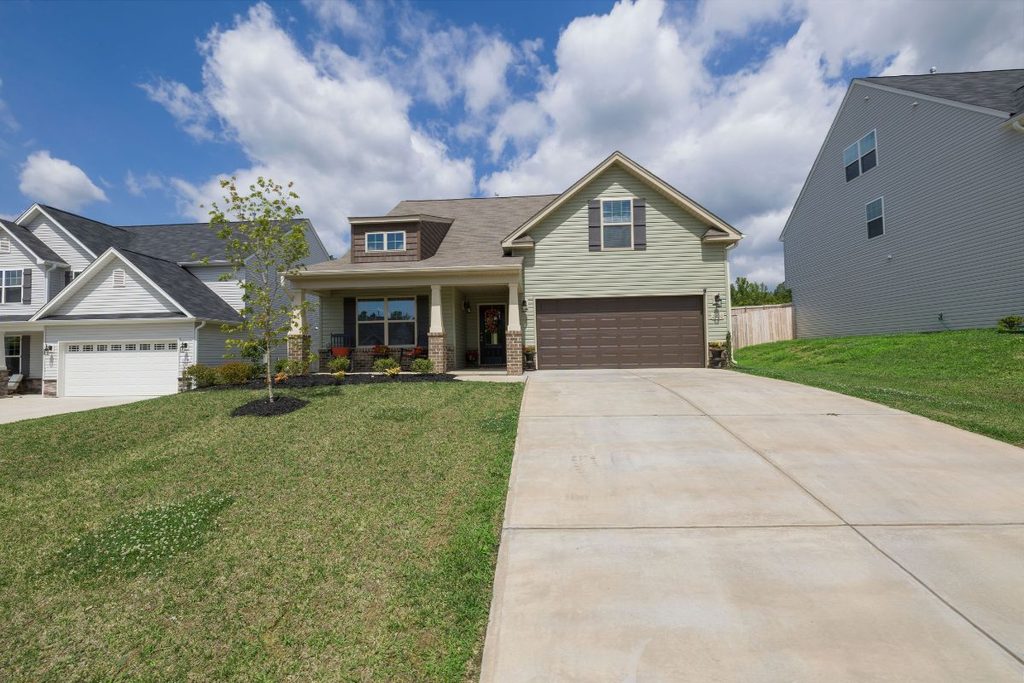
There’s a version of this where none of the above applies.
If you’re selling because of a job move with a fixed start date, a separation, an inherited property you can’t keep paying to run, or simply because the house has sat unsold for months and you want out, then a garage door is the wrong home for your last few thousand pounds. Work that takes six weeks to organise is no use to someone who needs to be gone in four.
The calculation changes in that situation. Rather than spending to compete on the open market, you can approach companies such as Home House House Buyers that provide a cash offer for your home, taking the property as it stands, garage door and all. They won’t ask you to put anything right before completion, and the offer you receive will reflect the work the property needs, without you needing to spend anything or wait on a contractor’s diary.
The Short Version
Fix what’s broken, and think hard about replacing what’s beyond fixing. Leave dated alone unless the numbers genuinely stack up, and if the sale needs to happen faster than the work can, skip the question entirely and price accordingly.
Images courtesy of unsplash.com and pexels.com.