Few purchases are meant to be worn every single day for the rest of a life. Yet the same ring that survives proposals and anniversaries also survives dishwashing, gym sessions, gardening, and decades of ordinary Tuesdays. The gap between how we think about rings and how we actually treat them is where most damage quietly happens.
The CDC’s National Center for Health Statistics records more than two million marriages across the United States each year. A remarkable share of those rings pass through New York’s diamond district. It remains one of the country’s most trusted destinations for buying, setting, and repairing fine jewellery. Caring for engagement rings comes down to two disciplines: getting the fit right through proper resizing and building small habits that protect the stone and setting.
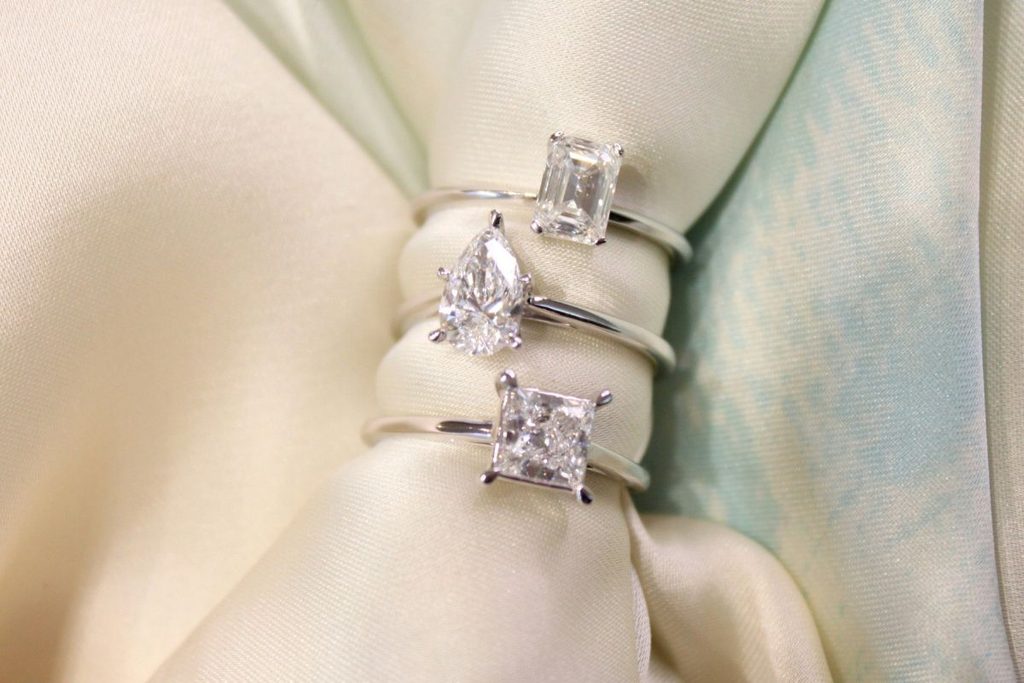
Here’s exactly what both of those actually involve and why getting them right matters more than most people expect.
Fit Is a Moving Target, Not a One-Time Decision
Fingers change. Weather swells them, winters shrink them, and years of life alter them permanently through fitness, pregnancy, aging, and everything in between. A ring sized perfectly at proposal can spin loosely or press uncomfortably five years later, and neither situation should be endured out of sentiment.
The right fit lets the ring rotate slightly with gentle resistance at the knuckle. Too loose risks the piece sliding off unnoticed; too tight restricts circulation and makes removal genuinely difficult in an emergency. Checking fit seasonally takes seconds and costs nothing. Treating size as something to monitor, rather than a fact settled at purchase, is the single mindset shift that prevents the most common ring losses.
Resizing Works Differently Depending on the Band
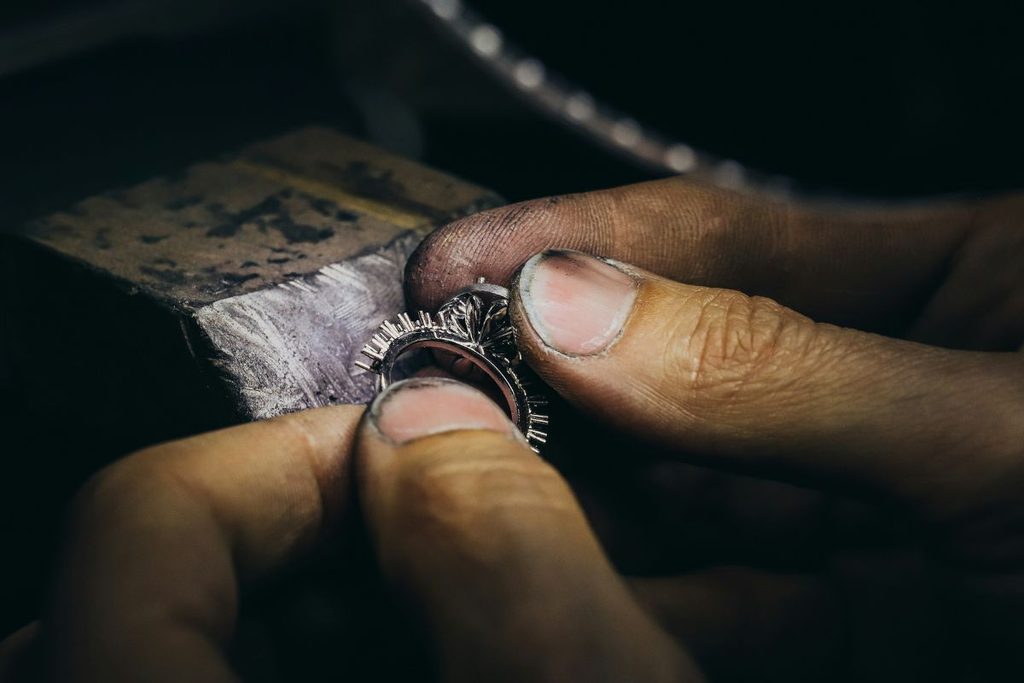
Not all engagement rings resize the same way, and knowing the difference before you buy saves heartache later. A jeweller’s options depend heavily on the design in hand:
- Plain metal bands resize easily, usually up or down two full sizes
- Pavé or channel-set bands allow smaller adjustments before stones loosen
- Eternity bands, set with stones all the way around, often cannot be resized at all
- Alternative metals like tungsten and titanium must be replaced rather than resized
A resize typically involves cutting the band, adding or removing metal, and re-soldering the joint invisibly. In skilled hands, the result is seamless, which is why the choice of jeweller matters as much as the technique.
Timing and Planning Protect the Setting
When to resize matters nearly as much as how. Jewellers generally recommend waiting through a few weeks of normal wear before adjusting a new piece, since fingers need time to reveal their true everyday size. Most retailers size engagement rings to a standard fit at purchase and offer an adjustment window afterward, so rushing to alter a brand-new piece is rarely necessary. The resizing and care policies that Ritani publishes alongside its collections show the kind of detail worth reading before any purchase decision.
Plan resizing around the calendar too. Summer fingers run larger than winter ones, so a ring adjusted in a heatwave may pinch by January. Whenever the work is done, insist that the jeweller check every stone’s security afterward, because the heat and pressure of resizing are precisely when settings need retightening.
Daily Habits Do More Damage Than Special Occasions
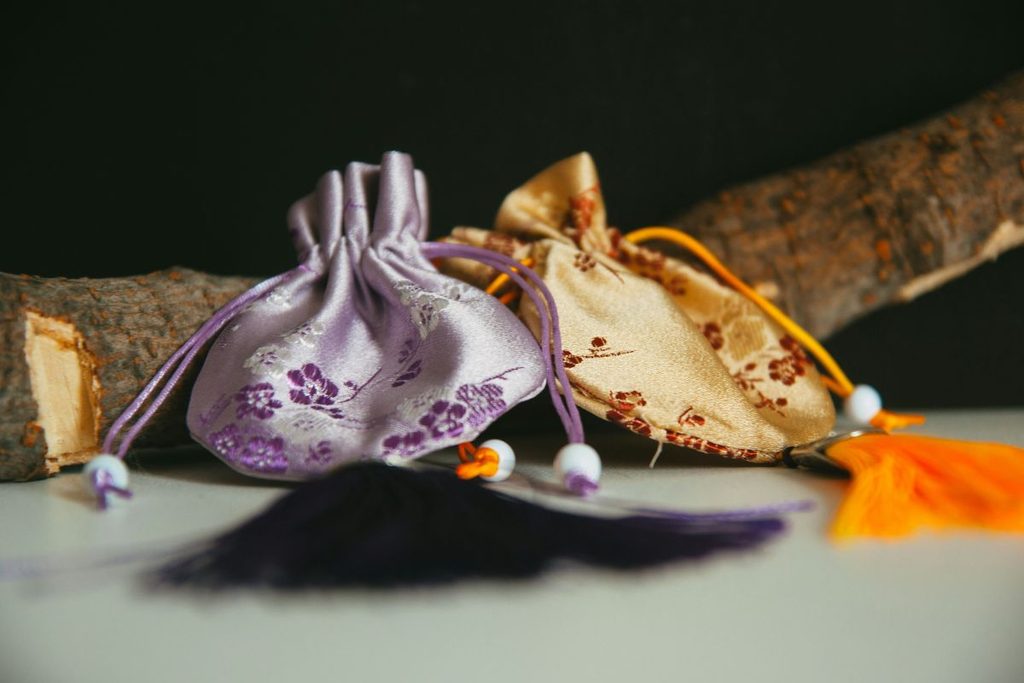
Rings rarely break at galas; they wear down at kitchen sinks. The everyday exposures are the ones that dull metal, loosen prongs, and coat stones in film. A few removals and rinses make an outsized difference:
- Take the ring off for gym sessions, heavy lifting, and gardening
- Keep it away from chlorine, cleaning chemicals, and lotions where possible
- Soak it in warm water with mild dish soap weekly, then brush gently
- Store it in its own soft pouch or slot so harder stones can’t scratch it
Diamonds are famously hard, but hardness isn’t toughness: a sharp knock at the wrong angle can chip even a diamond, and softer stones like emeralds forgive far less. Habits protect what insurance merely reimburses.
Professional Checkups Catch Problems While They’re Small
Even careful owners can’t see a prong lifting a tenth of a millimeter, but that’s all it takes for a stone to escape. An annual inspection lets a jeweller tighten settings, check the shank for thinning, and professionally clean the piece back to its first sparkle. Many will do this quickly and inexpensively, sometimes as a courtesy.
Those visits also build a maintenance record, which matters for insurance and for resale or heirloom value down the line. Rhodium plating on white gold, for instance, wears through every couple of years and is easily renewed during a routine visit. Small, scheduled attention is what turns a fifty-year ring into a hundred-year one.
Conclusion

Caring for engagement rings properly means buying with future adjustability in mind, letting real life reveal the true size before altering anything, and choosing designs whose limits you understand. Then protect the piece with unglamorous habits: take it off for rough work, clean it gently and often, and let a professional look it over once a year. None of this demands expertise or expense, only consistency.
The proposal lasts a moment, but the ring is meant to outlive furniture, cars, and fashions. Give it the same quiet maintenance you’d give anything else expected to last a lifetime. Decades from now, that handful of small habits will be the reason it still catches the light.
Images courtesy of unsplash.com and pexels.com