A road trip across Europe offers a sense of freedom and discovery that few other holidays can match. From Switzerland’s alpine passes to Italy’s coastal roads, Europe is a driver’s paradise. But a successful continental journey needs thorough preparation. Driving in different countries means encountering various rules, regulations, and requirements that can catch out an unprepared traveller.
Making sure your vehicle, documents, and knowledge are all in order before you leave is key to a smooth and enjoyable trip. This guide will walk you through the essential checks and preparations for your European driving adventure, driving in Europe safely.
Checking Your Vehicle’s Insurance Cover
Before you even think about booking a ferry or planning your route, first contact your insurer and get a summer road trip checklist. Many people mistakenly believe their standard UK policy offers the same protection across Europe. While UK law requires your policy to provide the minimum third-party cover needed in any EU country, this might not be enough for your needs. This basic cover protects other people, their vehicles, and their property, but it doesn’t cover damage to your own car.
To get the same level of protection you have at home, you’ll likely need to extend your policy. Contact your provider to understand what your policy covers abroad. Many standard car insurance policies can be upgraded to full comprehensive cover for European travel, often for a small fee. This will cover you for accidents, damage, and theft while you’re away, giving you much-needed peace of mind.
After Brexit, the rules for Green Cards became simpler. A Green Card is an international certificate of insurance. While it was briefly required, UK drivers no longer need one to drive in the EU, Switzerland, Norway, and a few other countries. However, carrying one can still make things smoother if you’re involved in an accident. It’s also smart to have a copy of your insurance certificate with you. Always check with your insurer before you travel, as rules can change, and some non-EU countries you might pass through could still require one.
Understanding International Driving Permits
An International Driving Permit (IDP) translates your driving licence into multiple languages. It can be a legal requirement in some countries outside the European Union. For UK licence holders driving within the EU, Switzerland, Norway, Iceland, or Liechtenstein, your photocard driving licence is usually enough. You typically don’t need an IDP for short visits.
However, if you still have an older paper licence, or if your licence was issued in Gibraltar, Guernsey, Jersey, or the Isle of Man, you might need an IDP for travel in some EU countries. The requirements can be specific, so it’s crucial to check the rules for each country you plan to visit or drive through. The type of IDP you need also varies by country. There are three main types, based on different UN conventions: the 1949, 1968, and 1926 IDPs. For example, you might need a 1968 IDP for driving in certain non-EU countries.
Getting an IDP in the UK is straightforward. You can apply for one at larger Post Office branches. You need to be over 18, a resident of Great Britain or Northern Ireland, and have a full UK driving licence. You’ll also need to bring a passport photo. The permit is issued on the spot and is valid for one to three years, depending on the type. To see how different countries handle this, you can check the requirements for an international driver’s licence for U.S. citizens to understand the global differences.
Local Road Rules You Must Know
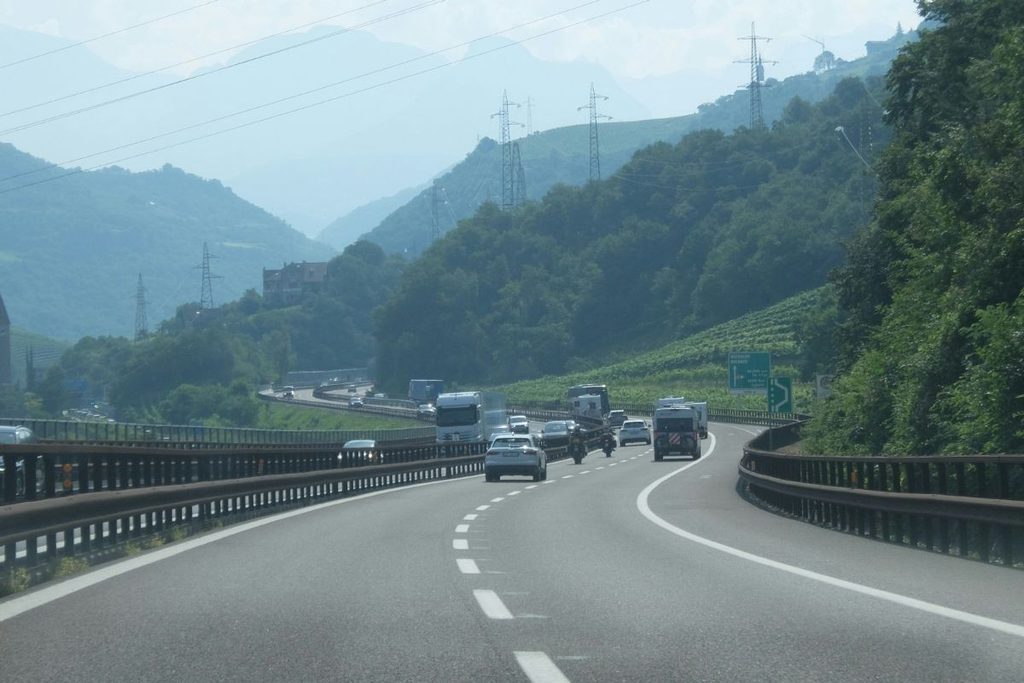
One of the biggest adjustments when driving in Europe is getting used to different road rules. The most obvious change for UK drivers is driving on the right-hand side of the road. This needs concentration, especially at junctions and on roundabouts, which you’ll navigate anti-clockwise.
Speed limits are another major difference. They are posted in kilometres per hour (km/h), not miles per hour (mph), and vary a lot from country to country. As a general guide:
- Motorways: Usually 120-130 km/h (around 75-81 mph). Germany is known for its unrestricted Autobahn sections, but many parts have advisory or mandatory limits.
- Dual Carriageways: Often 90-110 km/h (56-68 mph).
- Rural Roads: Typically 80-90 km/h (50-56 mph). France notably lowered its rural road limit to 80 km/h.
- Built-up Areas: Almost always 50 km/h (31 mph).
Drink-driving limits are also much stricter in most of Europe than in the UK. Many countries have a limit of 0.05% blood alcohol content, and some, especially in Eastern Europe, have a zero-tolerance policy. The penalties for breaking these laws are severe. Beyond these basics, many countries have specific local rules. For instance, in France, the ‘priorité à droite’ rule still applies at some junctions, meaning you must give way to traffic joining from the right. In Scandinavia and some other countries, you must drive with dipped headlights on at all times, day or night. The Skyscanner Guide to Driving in Europe is a useful resource for country-specific information.
Emergency Essentials for Roads
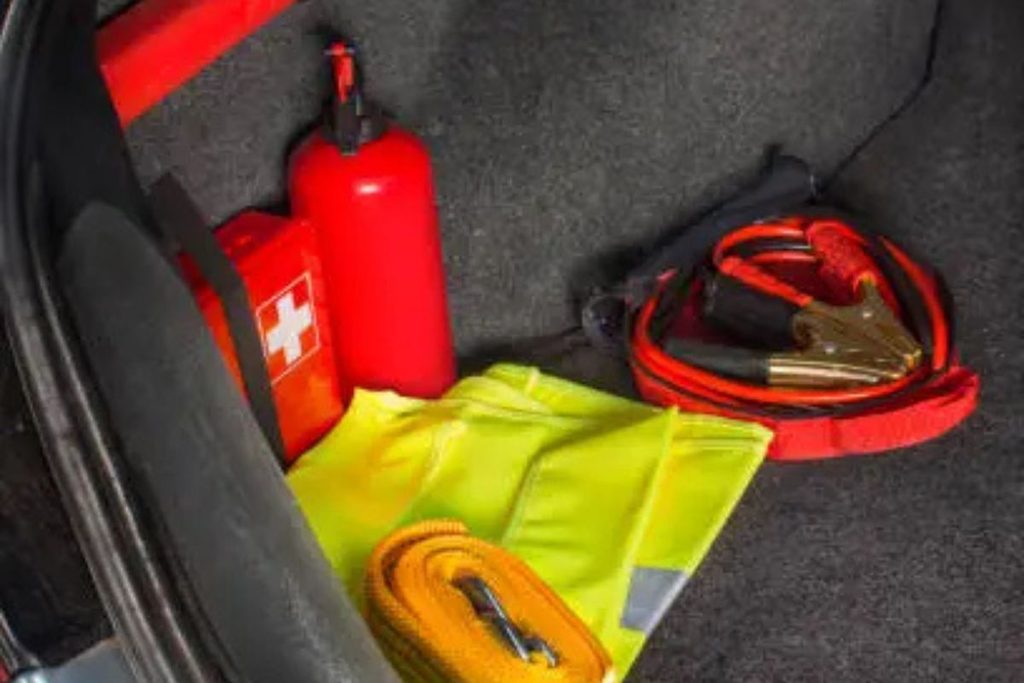
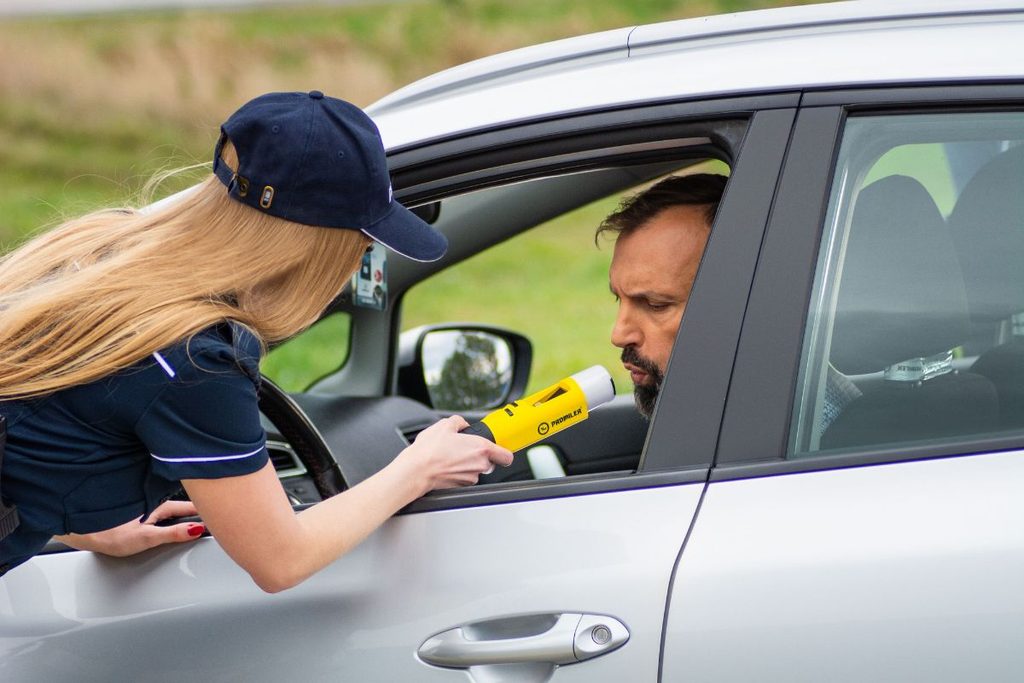
Your car must carry certain safety items to comply with the law in many European countries. Failing to have these can lead to on-the-spot fines. Requirements vary, but a standard European driving kit will cover you for most destinations.
Essential items to carry include:
- Warning Triangle: This is compulsory in almost every country. Some, like Spain, require two.
- High-Visibility Vests: Most countries require one for every person in the vehicle. Crucially, store them inside the passenger cabin, not in the boot, so you can put them on before getting out in an emergency.
- Headlamp Converters: Your UK car’s headlights are designed for driving on the left and will dazzle oncoming drivers on the right. You must fit beam-deflecting stickers or adjust your car’s headlamp settings.
- First-Aid Kit: This is compulsory in Austria, Germany, and the Czech Republic, but it’s highly recommended for all travellers.
- UK Sticker: Since September 2021, the GB sticker is no longer valid. You must display a UK sticker on the rear of your vehicle when driving outside the UK.
- Breathalyser Kit: In France, you are legally required to carry a certified, in-date breathalyser. While the fine for not having one was scrapped, it is still technically required.
It’s always best to check a checklist for driving in Europe before you go. This will ensure you have everything you need for the specific countries you’ll be visiting.
Navigating Tolls and City Zones
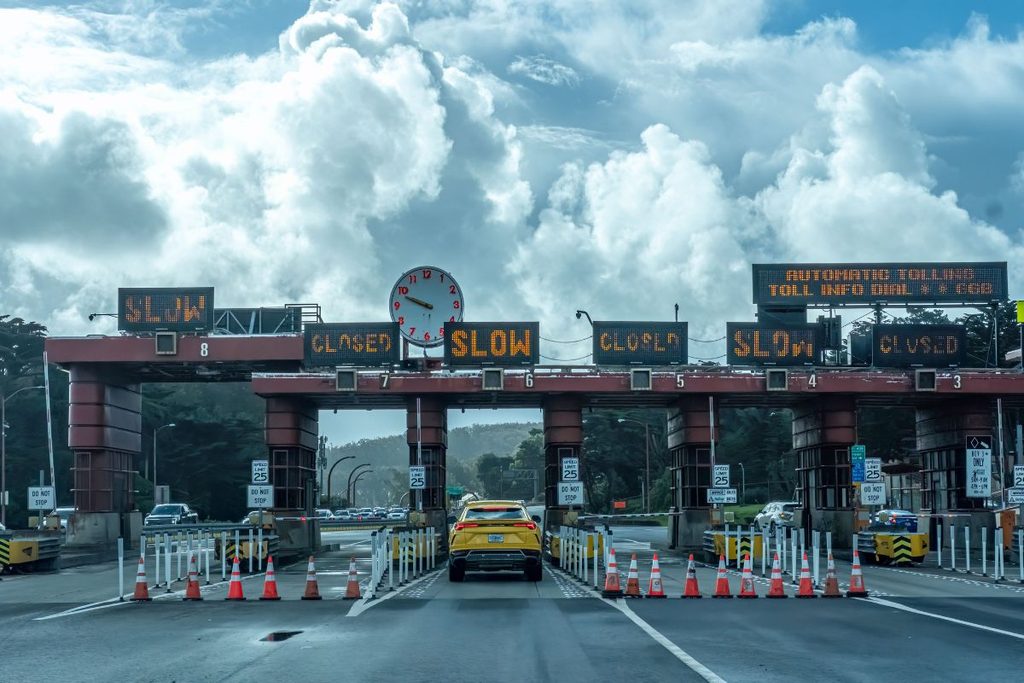
Many European motorways are not free to use. You will find toll roads, particularly in France, Italy, Spain, Portugal, and Poland. These systems are typically ‘pay-as-you-go’, where you take a ticket when entering the motorway and pay at a booth when you exit. Be ready with a credit card or cash, as not all foreign cards are accepted everywhere. For frequent travellers, electronic tags can save time by letting you use dedicated express lanes.
Other countries, such as Austria, Switzerland, the Czech Republic, and Slovenia, use a vignette system. This means buying a sticker to display on your windscreen, which gives you access to the motorway network for a set period (e.g., 10 days, one month, or a year). You can usually buy these at border crossings, petrol stations, or online in advance. Driving on a motorway without a valid vignette will result in a heavy fine.
Besides tolls, be aware of an increasing number of Low Emission Zones (LEZs) or Clean Air Zones in major cities. Cities like Paris, Berlin, Brussels, and Milan restrict access to more polluting vehicles to improve air quality. To enter these zones, you might need to buy and display a special sticker, like the Crit’Air vignette in France, which categorises your vehicle by its emissions. You often need to apply for these stickers online before your trip, so research the requirements for any cities on your itinerary to avoid fines.
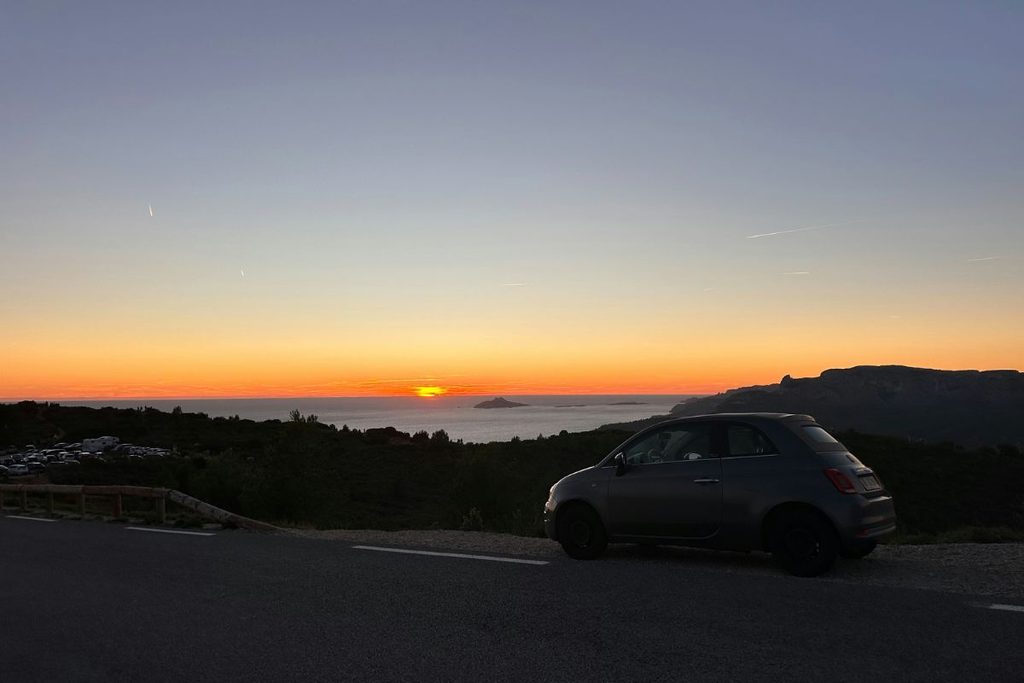
A well-prepared trip is a stress-free one. By taking the time to arrange your documents, check your vehicle, and understand local regulations, you can ensure your European road trip and driving in Europe, is memorable for all the right reasons.
Images courtesy of unsplash.com and pexels.com